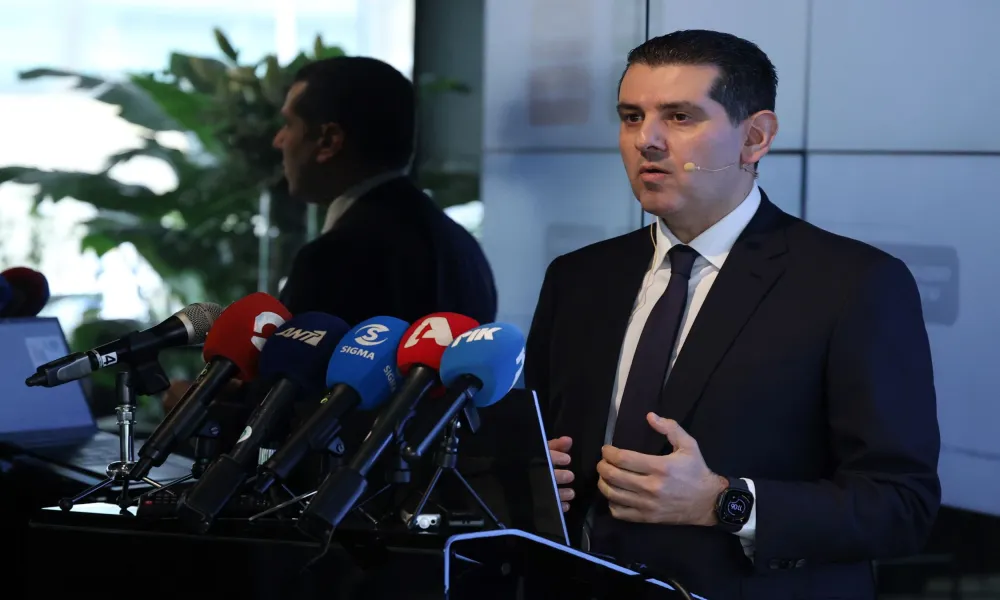

Bringing natural gas to Cyprus before 2030, rolling out energy storage systems from 2027 and the Great Sea Interconnector (GSI) electricity link between Greece and Cyprus dominated discussion of the Energy Ministry’s budget at the House Finance Committee. Energy Minister Michael Damianos set out the government’s plans, while acknowledging the challenges that major energy projects continue to face.
Vasiliko terminal “the only way”
The first priority is completing the natural gas terminal at Vasiliko, with the aim of securing natural gas before 2030. The minister described the completion of the terminal as the only way forward.
He explained that using natural gas is expected to lower the cost of electricity generation, as it will allow the use of cheaper fuel, reduce emissions and strengthen competition.
Mr Damianos described the GSI as important both for security of electricity supply and for geopolitical reasons, while acknowledging the risks linked to its implementation.
In the current tender process, there are eight bidders, and the aim is to award the contract before the end of 2027.
Energy storage
At the same time, energy storage projects are moving forward. The Transmission System Operator plans to install systems with a total capacity of 120 MW, which are expected to be connected to the grid in January. The Electricity Authority of Cyprus (EAC) is planning a further 80 MW by the end of 2028.
A €20 million battery subsidy scheme for industry is also being promoted.
However, the capacity mechanism to ensure adequate electricity supply remains at the design stage, with no concrete decisions yet.
GSI payment tied to NAVTEX
On the GSI, Mr Damianos linked the start of the process for the Republic of Cyprus to pay €25 million to the issuing of a NAVTEX by the Greek government, which is expected before the end of October.
The payment will be covered by the state budget, as part of a commitment to pay €25 million a year for five years to the project’s implementing body, up to a maximum of €125 million. The payment relating to 2025 is being deferred, as no works went ahead that year.
Mr Damianos described the GSI as important both for security of electricity supply and for geopolitical reasons, while acknowledging the risks linked to its implementation.
Costs for consumers
So far, the Cyprus Energy Regulatory Authority (CERA) has recognised €82 million of the €302 million requested by Greece’s transmission operator IPTO for project expenditure.
The Energy Minister said consumers are expected to start paying cable usage charges once the interconnection is complete and electricity transmission begins, for a period of 30 years.
Geopolitical risks and MPs’ demands
The minister acknowledged the geopolitical risks and possible reactions from Turkey.
MPs called for clear timelines, comprehensive planning for energy adequacy and safeguards on costs, stressing the need for concrete solutions to delays and uncertainty.