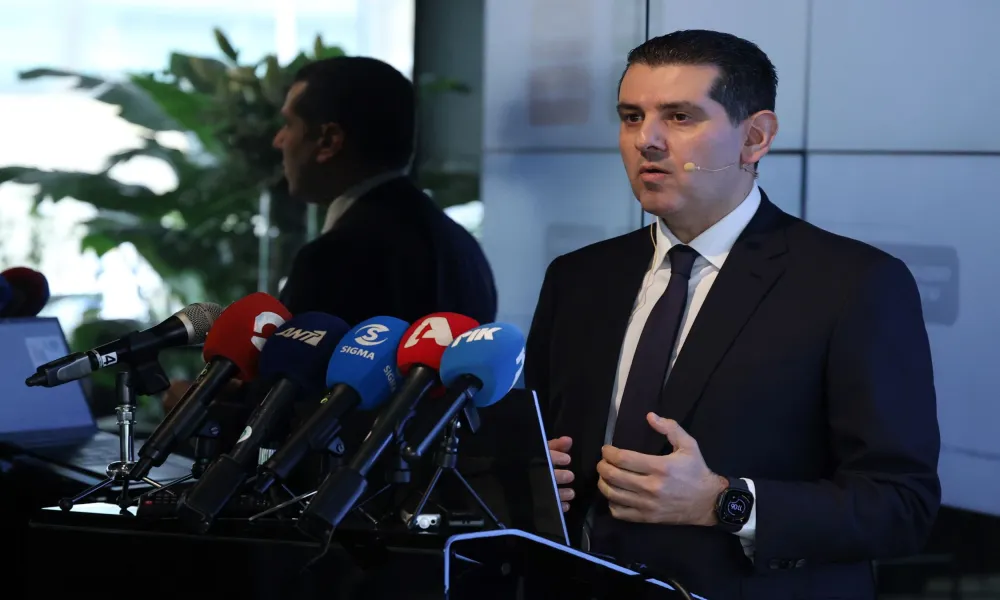

Energy Minister Michalis Damianos is in Egypt to give a keynote address at the Mediterranean Offshore Conference in Alexandria, as well as hold separate talks with his Egyptian counterpart and high-ranking executives from energy companies involved in Cyprus’ exclusive economic zone (EEZ).
According to an energy ministry press release, Damianos was invited to Alexandria by Egypt’s Minister of Petroleum and Mineral Resources Karim Badawi. The two will meet privately on the sidelines of the conference while Damianos will also hold separate meetings with senior figures from Chevron, TotalEnergies and Eni – energy companies with offshore concessions in Cyprus’ EEZ.
The Cypriot energy minister’s visit to Egypt concludes on Wednesday with a tour of the Damietta LNG terminal, as well as a floating storage and regasification unit (FSRU).
Minister says Aphrodite terms being assessed
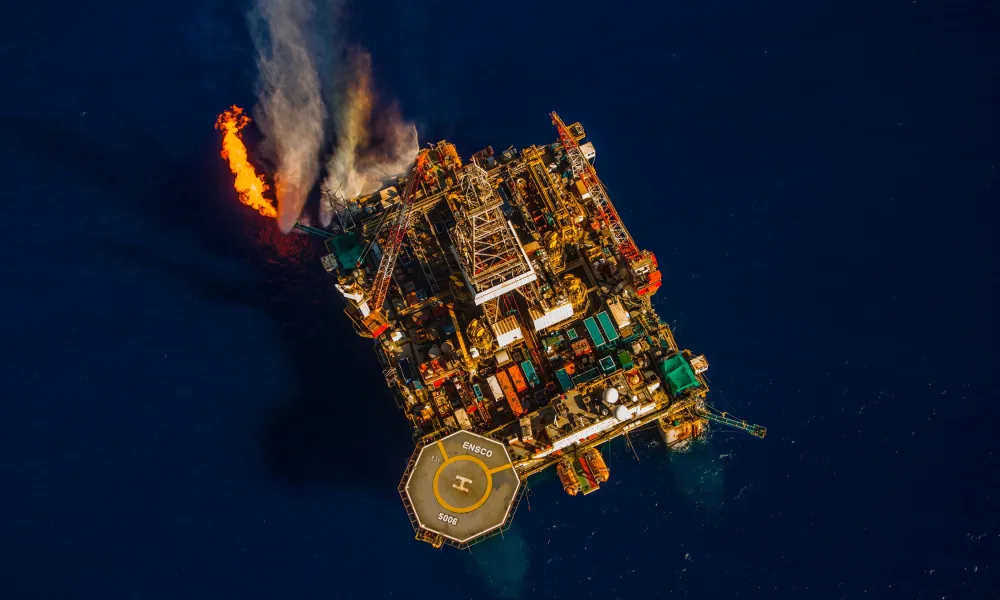
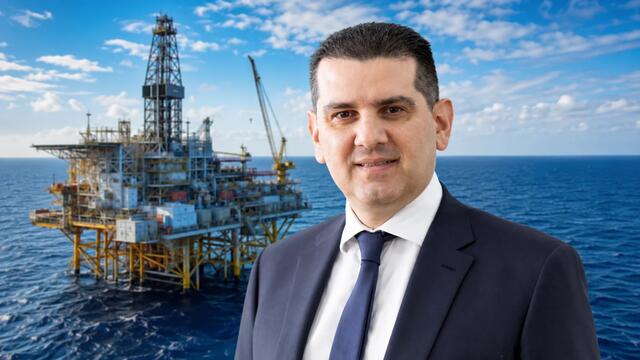
Speaking in parliament on Monday, Damianos noted the consortium with the Aphrodite gas concession – operated by US giant Chevron – recently tabled a request for a change of economic terms, to the benefit of the consortium partners, effectively confirming a report by industry specialist MEES, as covered by Politis on Saturday.
According to CNA, the minister made the comment during a discussion of the Energy Ministry budget at the House Finance Committee. Damianos said the government was examining the Aphrodite partners’ request at a technical-economic level to ascertain whether the consortium’s positions are justified. At present, the government has not accepted the changes, he noted.
Both natural gas from Aphrodite and Cronos reservoirs are expected to go to Egypt. Aphrodite will likely go to Port Said from where it will be connected to Egypt’s gas grid while the majority of Cronos will go to the Damietta LNG terminal for export as liquefied natural gas.
Tariff dispute and impact on GSA
Last Saturday, Politis reported on an article by MEES saying that Chevron and its partners have proposed a threefold tariff increase for use of the pipeline that will transport Aphrodite gas through Egyptian economic waters.
The publication noted that from around $1/mn Btu (British thermal units) previously envisaged, Chevron and partners are now seeking around $3/mn Btu, which will be charged by a separate company responsible for the section of the pipeline to be built and operated in Egyptian economic waters, the Aphrodite Midstream Company (AMC).
According to MEES, the company will include the three Aphrodite partners and an entity appointed by the Egyptian government. It also calculated that if the Aphrodite reservoir operates at maximum capacity, the tariff increase could lead to extra transportation charges of around $500mn/year.
With increased costs potentially cutting into Cyprus Republic revenues from the exploitation of Aphrodite, the government has reportedly asked Chevron to reconsider the proposed tariff.
It remains to be seen whether the dispute over transportation costs will stand in the way of the relevant parties signing a binding Gas Sales Agreement (GSA) on Aphrodite, which according to Egypt Oil & Gas, was initially going to be signed on the sidelines of the conference in Alexandria.
Final Investment Decision
Speaking on Politis Radio 107.6 & 97.6, the Morning Review programme with Katerina Eliadi, energy expert Dr Charalambos Ellinas linked the new tariff demands to Chevron’s effort to secure a higher return on its investment.
He argued that the company has significant alternative investment options, such as development of the Leviathan field in Israel, which could offer it greater profits. He questioned the likelihood of the US company proceeding with a final investment decision on Aphrodite without securing the financial returns it seeks.
Meaningful negotiation
Meanwhile, also speaking on Politis Radio, former energy minister Giorgos Papanastasiou acknowledged that the increase in costs negatively affects state revenues, but insisted the Republic of Cyprus should not regard itself as being faced with a fait accompli.
Papanastasiou disagreed with the assessment that Cyprus has only two options: either accept Chevron’s demands and reduce its revenues, or risk the field not being developed. As he argued, there is a third way: meaningful and demanding negotiation.
“We should negotiate hard, sitting at the table, and we should also have demands of our own,” he said. The former minister stressed that the government must make use of its institutional position in dealing with energy companies.
“At the end of the day, we are the Republic of Cyprus, we are a state. On the other side is a commercial organisation. We must understand that, and we need to be a little more demanding,” he said.