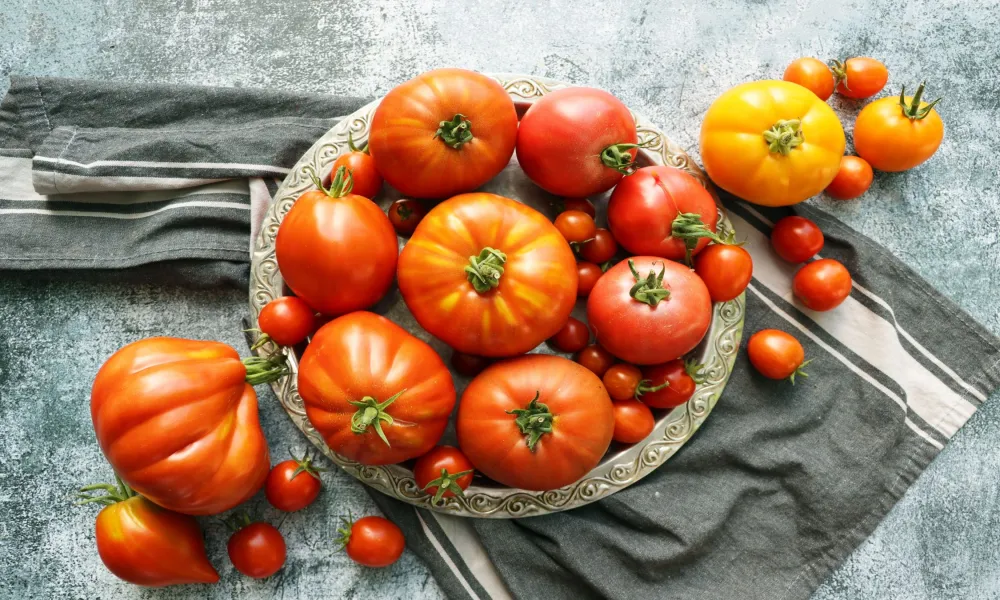

Juicy, refreshing and packed with nutrients, tomatoes are a cornerstone of the Mediterranean diet. But when faced with the choice between a regular tomato and a cherry tomato, the answer is not always straightforward. Is the difference merely size, or does each offer distinct nutritional benefits, flavours and culinary uses?
When are tomatoes at their best?
In Greece and Cyprus, the natural tomato season runs from late spring to early autumn, peaking between June and September. During this period, tomatoes typically have a richer aroma, better flavour and higher antioxidant content.
The main categories
Cultivated tomatoes generally fall into three categories:
- Regular tomatoes
- Cherry tomatoes
- Processing varieties used in sauces and other manufactured products
Cherry tomatoes
Cherry tomatoes are smaller and usually sweeter because they contain higher concentrations of natural sugars such as fructose and glucose.
They also tend to contain higher levels of antioxidants, including:
- Vitamin C
- Lycopene
- Beta-carotene
- Phenolic compounds
According to the article, cherry tomatoes contain almost twice as much lycopene and beta-carotene as standard tomatoes.
Regular tomatoes
Conventional tomatoes vary widely in size, shape, colour and flavour.
Traditional Mediterranean varieties are particularly valued for their flavour complexity and sensory qualities.
While cherry tomatoes may contain higher concentrations of antioxidants, regular tomatoes remain an excellent source of:
- Lycopene
- Antioxidants
- Beneficial phytonutrients
The summer dilemma
Both options have high nutritional value.
- Cherry tomatoes are generally sweeter and richer in antioxidants.
- Regular tomatoes offer greater variety in flavour and broader culinary uses.
Nutrition tips
Tip 1
Eating tomatoes raw with olive oil increases the bioavailability of carotenoids, helping the body absorb these beneficial compounds more effectively.
Tip 2
Lycopene is absorbed more efficiently from cooked tomatoes than from raw tomatoes.
How to include them in your diet
Both tomatoes and cherry tomatoes can easily be incorporated into everyday meals, either raw or cooked.
Some ideas include:
- As a snack with low-fat cheese
- In salads such as Greek salad or dakos
- With eggs, for example in tomato and egg dishes
- In fresh bowls with legumes or seafood
- In homemade pasta sauces and vegetable dishes
- In tomato-based smoothies
What research says about tomato juice
A study published in 2025 examined healthy adults aged 40-65 who consumed a daily 190g drink for 12 weeks. Participants were divided into three groups:
- A placebo drink containing almost no lycopene
- Tomato juice containing 15mg of lycopene
- High-lycopene tomato juice containing twice that amount
At the end of the study, vascular function was significantly better in both tomato-juice groups than in the placebo group.
Participants consuming the high-lycopene juice showed improvements as early as the fourth week.
Blood lycopene levels also increased substantially, supporting evidence that regular tomato juice consumption may benefit cardiovascular and vascular health.
Bottom line
The largest nutritional difference between tomatoes and cherry tomatoes lies in their carotenoid content.
Cherry tomatoes contain considerably higher levels of lycopene and beta-carotene, while differences in most other nutrients are relatively small.
As a result, both foods have broadly similar nutritional profiles and can form part of a healthy diet. If antioxidant content is your priority, cherry tomatoes may have a slight edge. If versatility and variety are more important, regular tomatoes remain an excellent choice.
Source: Vita.gr