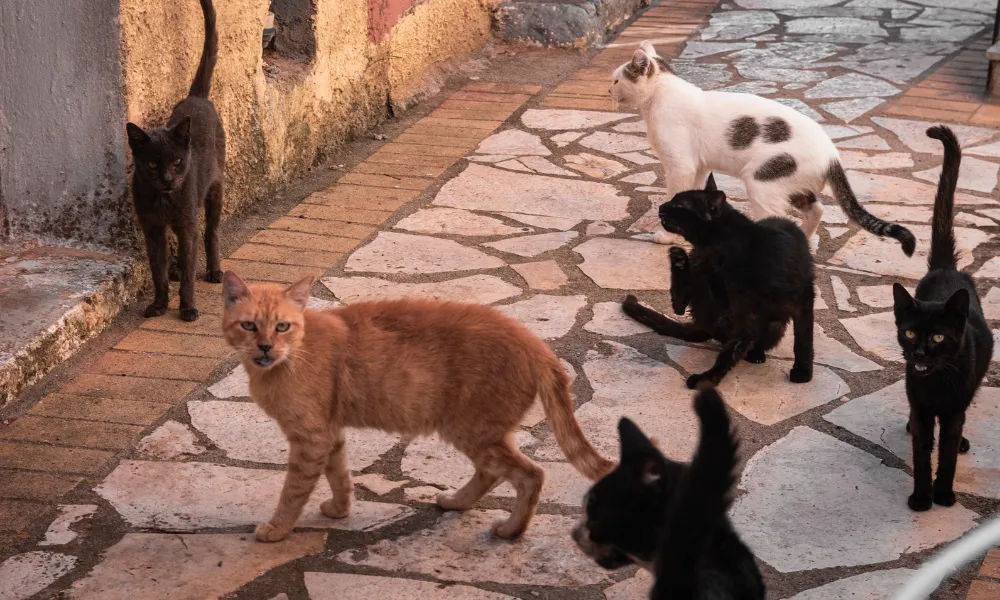

Stray cats and dogs are a familiar sight in many parts of Cyprus, from neighbourhood streets and car parks to beaches, villages and tourist areas. For many people, the instinct to help is immediate. A bowl of food, a little water or a phone call to a rescue group can make a real difference.
But helping stray animals responsibly means thinking beyond the moment. Poorly placed food, unsafe rescues or unplanned adoptions can create new problems for animals, residents and volunteers already working under pressure.
Helping without causing harm
The simplest form of help is often food and water, especially during the hotter months. Clean water placed in a shaded, safe location can be valuable for both cats and dogs. Food should be offered in a way that does not attract pests, block pavements or create tension with neighbours.
Leaving large amounts of food on the ground can quickly become unhygienic. It can also make animals more vulnerable if they gather near roads, busy entrances or areas where they are not welcome. Anyone feeding strays regularly should try to keep the area clean, remove leftovers and avoid creating dependency in a place that is unsafe.
For dogs, extra caution is needed. A stray dog may be frightened, injured or protective. Approaching too quickly can put both the animal and the person at risk. It is usually better to observe from a distance, offer water if it is safe to do so, and contact a local rescue group, municipality or veterinary professional for advice.
Neutering is the long-term answer
Feeding may ease immediate suffering, but it does not reduce the number of animals living on the streets. Neutering is widely regarded by animal welfare groups as one of the most effective ways to control stray populations humanely.
For cats, many rescue organisations support trap-neuter-return programmes, where cats are safely trapped, sterilised, treated if necessary and returned to their familiar territory. Animal Rescue Cyprus describes TNR as a humane and effective method for managing feral and stray cat populations, with neutered cats often identified through ear tipping.
The same principle applies to dogs, although their needs are often more complex because they may require assessment, shelter, rehabilitation or rehoming. Supporting a neutering programme, paying for a procedure through a recognised organisation or helping a local volunteer network can have a greater long-term impact than feeding alone.
When rescue is the right step
Not every stray animal can or should be immediately removed from the street. Some cats are feral and may be too stressed to live indoors. In those cases, neutering, feeding and monitoring may be more realistic than attempting adoption. Rescue is urgent when an animal is injured, sick, very young, heavily pregnant, in danger from traffic or showing signs of neglect. In such cases, the first step should be to contact a vet, a registered rescue organisation or local authority service where available.
Taking an animal home should not be an impulsive decision. A rescued pet may need medical care, vaccinations, parasite treatment, microchipping, training and time to adjust. Anyone who cannot keep the animal long term should be honest about that from the beginning, so that rescue groups can plan properly.
Where to turn in Cyprus
In Cyprus, suspected animal abuse, neglect or serious welfare concerns can be reported through the Cyprus Police Animal Police, which lists district contact information on its official website. Readers should use the latest details published by the police rather than relying on numbers shared elsewhere online.
The Veterinary Services of the Ministry of Agriculture, Rural Development and Environment also provide official information and district office details for animal health and welfare matters. Their website is the safest place to check current contacts before reporting a case or seeking guidance.
For rescue, adoption, fostering or donations, readers can contact established welfare organisations directly through their official websites or social media pages. Groups such as Animal Rescue Cyprus, Argos Animal Sanctuary, Simba Animal Aid Cyprus and PAWS Dog Shelter can advise on stray animals in need, animals available for adoption, fostering opportunities, volunteering and ways to support food, shelter and veterinary costs.
Responsible adoption matters
Adopting a stray animal can be deeply rewarding, but it should be treated as a serious commitment. Dogs and cats may live for many years and need daily care, veterinary attention and a safe environment. Before adopting, families should consider their living space, working hours, travel habits and financial situation. Dogs need exercise, training and socialisation. Cats need secure indoor or outdoor arrangements, litter care, enrichment and regular health checks.
A responsible adoption also means accepting that the animal may need patience. Strays may be nervous, under-socialised or affected by past experiences. Sudden changes, loud noises and unfamiliar people can be stressful. A calm home, gradual introductions and veterinary guidance can help the animal settle.
Supporting the people doing the work
Cyprus has many volunteers and small rescue groups working with limited resources. They often cover food, veterinary bills, transport, fostering and rehoming with donations and unpaid labour. Support does not always have to mean adopting. People can donate food, contribute towards vet bills, sponsor neutering, offer transport, foster temporarily or help share animals looking for homes. Even small, regular support can help rescue groups plan more effectively.
Anyone donating should check that the group is active, transparent and able to explain how funds or supplies are used. Responsible support strengthens the wider welfare network and helps prevent avoidable suffering.
A more careful kind of kindness
Helping stray cats and dogs is not only about compassion. It is also about consistency, safety and long-term thinking. A bowl of water in the right place, a clean feeding routine, a call to the right organisation or support for neutering can all improve an animal’s life. The most responsible help is the kind that protects the animal today while reducing suffering tomorrow.