
Growing evidence shows that children today are significantly less physically active than in the past, a trend that risks long‑term consequences for both physical and mental health. Scientists warn that inactivity in childhood is closely linked to obesity, lower fitness levels and reduced activity later in life, as well as weaker cognitive development.
Health guidelines recommend at least 60 minutes of daily physical activity, yet many children fall short. The causes are multiple, ranging from increased screen time and reduced participation in organised sports to poorer diets and higher stress levels.
Research increasingly shows that physical activity plays a vital role not only in children’s physical well‑being but also in their cognitive development. Better fitness is associated with improved concentration, faster reaction times and stronger self‑control, all of which contribute to academic performance. Studies also link regular activity in childhood with healthier outcomes in adulthood, including lower body weight and fewer health problems.
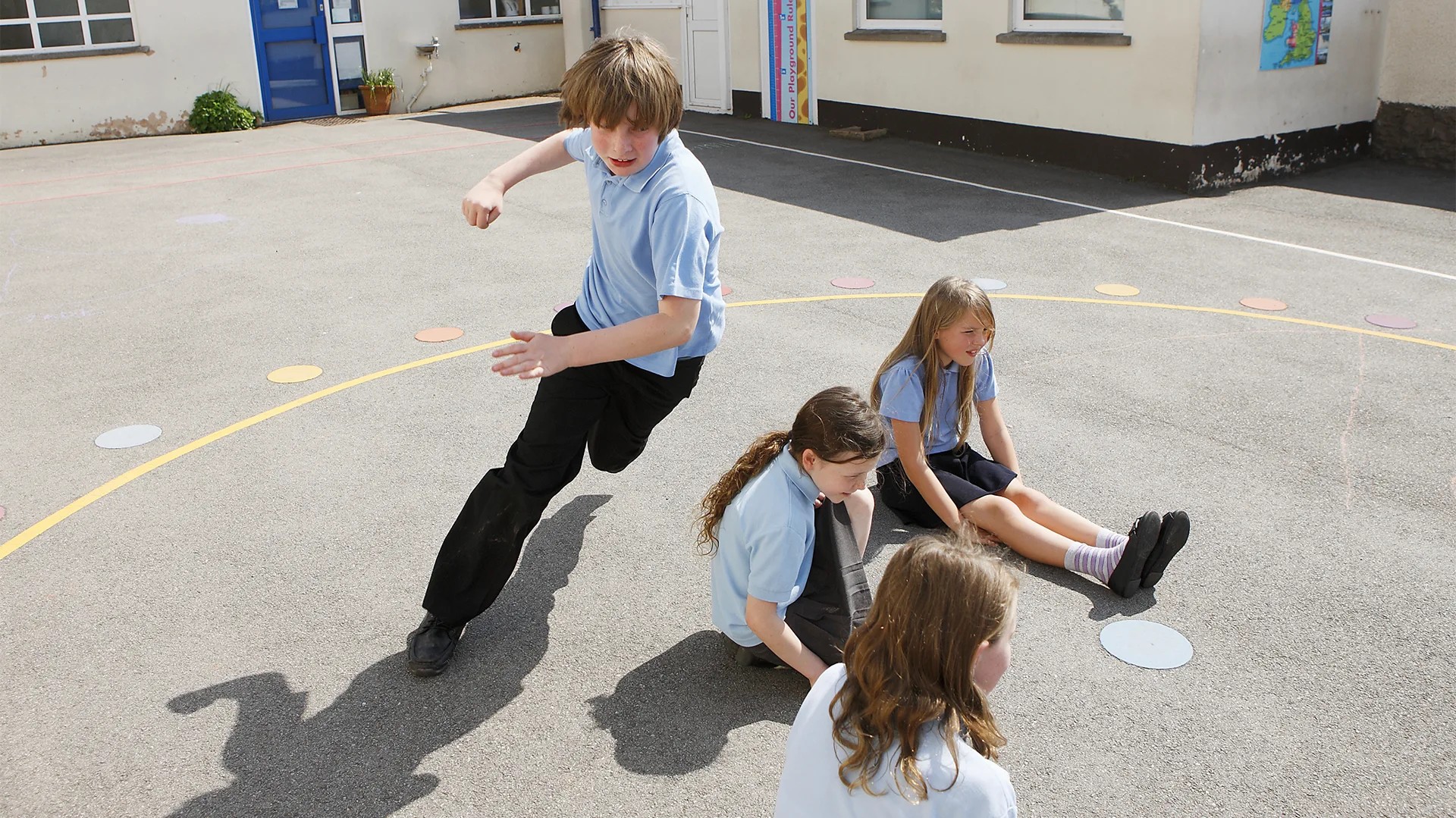
However, experts emphasise that encouraging children to move more does not necessarily require structured sports. Simple changes, such as reducing time spent sitting, incorporating movement into school routines and promoting active play, can make a significant difference. School‑based programmes that encourage children to stand, move more in class or engage in daily physical activity have shown measurable benefits, including reduced body fat and improved attention.
Parental involvement is also key. Children are more likely to remain active when supported by their families, while shared activities such as walking, cycling or playing outdoors can reinforce healthy habits.
Another important factor is how children experience physical activity. Confidence and enjoyment play a central role. When activities are too structured or competitive, some children may feel excluded. Experts suggest that giving children more choice and encouraging unstructured play, such as running, climbing or creative playground activities, can improve both participation and well‑being.
Scientists argue that even small increases in movement can have meaningful effects. Encouraging children to sit less, move freely and view activity as enjoyable rather than obligatory could help reverse current trends in inactivity and support healthier, happier development.
Source: BBC