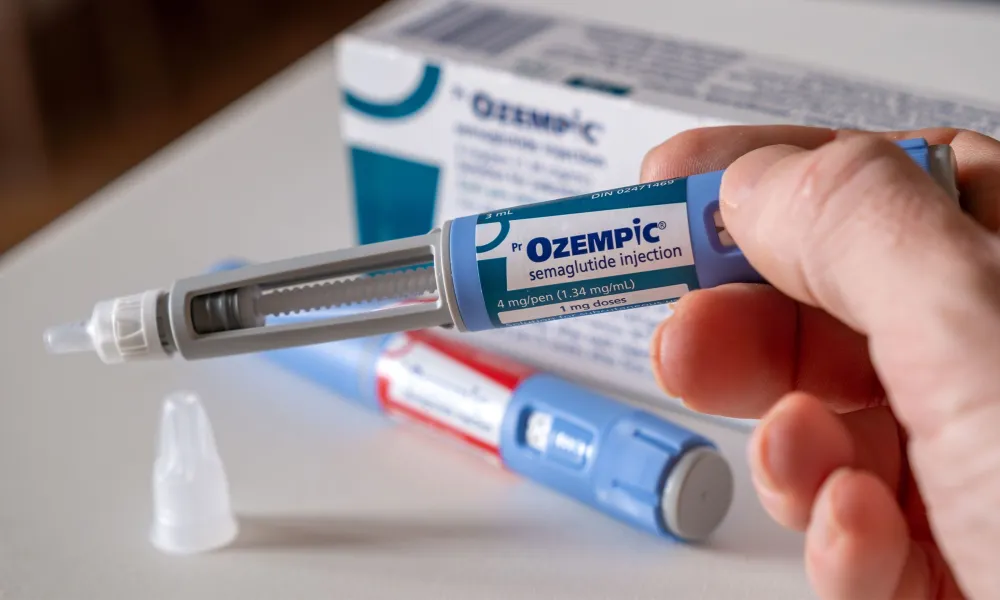

The medical community has identified a significant potential secondary benefit linked to the global rise of weight loss and diabetes medications. A series of four observational studies indicates that patients prescribed GLP-1 receptor agonists, such as Novo Nordisk’s Ozempic and Eli Lilly’s Mounjaro, experienced a notable reduction in tumor progression, a decreased risk of developing breast cancer, and lower overall mortality rates.
Oncologists have described the consistent trend across diverse cancer types as remarkable. According to data monitored across the clinical trials, patients utilizing these medications demonstrate a reduced probability of cancer recurrence. The findings are scheduled for formal presentation at the annual meeting of the American Society of Clinical Oncology later this month.
The emerging evidence could expand the established medical applications of GLP-1 drugs. Originally developed to manage blood glucose levels and obesity, the treatments are already approved to mitigate cardiovascular risks, including heart attacks and strokes, while ongoing clinical trials evaluate their efficacy in treating sleep apnoea and addiction.
Halved progression rates in clinical cohorts
A major study conducted by researchers at the Cleveland Clinic Cancer Institute monitored more than 10,000 patients diagnosed with early-stage cancer. The tracking initiative compared disease progression between individuals prescribed GLP-1 medications post-diagnosis and a control group utilizing alternative diabetes therapies. The data revealed that patients on GLP-1 regimens were significantly less likely to experience metastatic spread.
The reduction in advanced-stage progression was particularly pronounced in specific malignancies. Among lung cancer patients, the progression rate dropped by more than half, registering at 10% for GLP-1 users compared to 22% in the control cohort. Breast cancer patients demonstrated a near-identical trajectory, with progression rates falling from 20% to 10%. Statistically significant reductions were also documented in colorectal and liver cancers.
The financial success of these treatments has already positioned Novo Nordisk and Eli Lilly among the most valuable pharmaceutical corporations globally. However, researchers emphasize that the current findings are derived from observational and retrospective analyses of medical insurance claims and clinical databases, rather than randomized controlled trials. Consequently, further targeted research is mandatory to verify the clinical outcomes.
Increased survival rates and preventative indicators
Parallel studies featured in the research package focused extensively on breast cancer demographics, evaluating both preventative qualities and long-term survival rates. An analysis conducted by the University of Texas MD Anderson Cancer Center reviewed data from over 137,000 breast cancer patients. The findings revealed that 95% of patients using GLP-1 medications survived past the five-year threshold, compared to 89.5% of non-users.
Concurrently, a separate study by the University of Pennsylvania analyzed approximately 95,000 women undergoing breast imaging. The data indicated that individuals on GLP-1 therapy were roughly 25% less likely to receive a breast cancer diagnosis, even after adjusting for variables such as age, weight, and secondary risk factors.
Medical researchers are currently evaluating two primary hypotheses to explain the underlying mechanism of these results:
-
Indirect Metabolic Action: The drugs may lower cancer risks indirectly by driving weight loss and optimizing metabolic health, both of which are independently linked to lower malignancy rates.
-
Direct Biological Action: GLP-1 receptors have been identified directly on the surface of certain cancer cells, raising the possibility that the medication interacts directly with tumor biology.
At present, neither Eli Lilly nor Novo Nordisk has initiated dedicated clinical trials targeting cancer treatments. Independent oncologists note that while the multi-database pattern is highly promising, the retrospective nature of the data introduces potential socio-economic biases. Patients prescribed GLP-1 medications often possess superior healthcare access and more consistent clinical follow-up, which are variables that independently improve long-term survival rates.
Sources: Wall Street Journal