
The final draft of a potential agreement between the United States and Iran, mediated by Pakistan, is expected to be officially announced within the coming hours. The Saudi broadcaster Al Arabiya has obtained and published the exclusive details of the 10-point framework aimed at de-escalating the conflict.
The draft framework outlines a structured path toward cessation of hostilities and diplomatic normalization, though senior officials from both nations indicate that substantial verification challenges remain on specific strategic assets.
The 10 points of the draft agreement
The memorandum of understanding encompasses the following core operational and diplomatic terms:
- Immediate Ceasefire: An immediate, comprehensive and unconditional ceasefire across all land, sea and air fronts.
- Infrastructure Protections: A mutual commitment to cease targeting military, civilian or economic infrastructure.
- Hostilities De-escalation: The immediate cessation of active military operations and the termination of state-sponsored media warfare.
- Sovereignty Assurances: Explicit commitments to respect national sovereignty, territorial integrity and non-intervention in internal affairs.
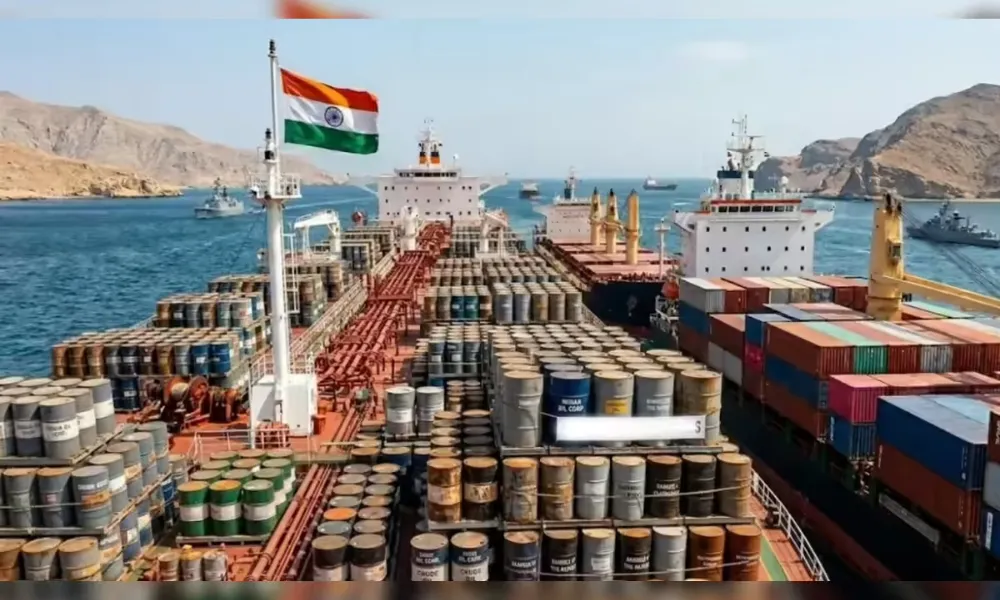
- Maritime Access: Verification and guarantees of the freedom of navigation within the Persian Gulf, the Strait of Hormuz and the Gulf of Oman.
- Oversight Framework: The establishment of a joint mechanism to monitor compliance, oversee implementation and resolve disputes.
- Subsequent Negotiations: A formal timeline stipulating that negotiations regarding remaining outstanding issues must commence within seven days.
- Sanctions Relief: The phased lifting of United States economic sanctions conditional upon verifiable Iranian compliance with the terms of the agreement.
- Legal Compliance: Reaffirmation of adherence to international law and the principles established under the United Nations Charter.
- Operational Activation: The agreement will enter into force immediately upon its formal, simultaneous announcement by both governments.
Disagreements over maritime transit and nuclear enrichment
The diplomatic development arrives amidst cautioned rhetoric from Washington. United States Secretary of State Marco Rubio noted that while certain positive indicators have emerged from the mediated discussions, a comprehensive resolution remains unfeasible if Tehran attempts to impose a toll or transit system on shipping through the Strait of Hormuz. The strategic maritime passage has remained effectively closed to the majority of international commercial shipping since hostilities commenced on 28 February.
Rubio expressed cautious skepticism regarding the immediate timeline, advising against premature optimism until concrete developments materialize in the coming days.
Concurrently, a senior Iranian official confirmed to Reuters that the scope of the negotiations has narrowed. However, the official emphasized that uranium enrichment thresholds and the unconditional reopening of the Strait of Hormuz remain critical, unresolved issues where a final consensus has yet to be reached.
Source: Al Arabiya