US Secretary of State Marco Rubio reiterated Washington's opposition on Tuesday to Iran imposing transit fees through the Strait of Hormuz, one of several points of friction in ongoing negotiations alongside the Islamic Republic's nuclear programme and the terms for releasing frozen Iranian assets.
At the same time, the International Maritime Organization (IMO), part of the UN system, announced it is activating a plan for the urgent evacuation of approximately 11,000 sailors currently stranded in the Gulf.
The conflict erupted on 28 February following US-Israeli strikes on Iran, costing thousands of lives, the large majority of them in the Islamic Republic and Lebanon.
Last week, Tehran and Washington signed a memorandum of understanding aimed at ending the war. It provided in particular for the full reopening of the Strait of Hormuz, through which under normal conditions 20% of the world's oil and liquefied natural gas (LNG) passes. Iran's de facto closure of the strait when the war broke out shook the global economy and sent oil prices soaring.
Diplomatic manoeuvring
Negotiations are now underway, mediated by Pakistan and Qatar, with a 60-day deadline to reach a final agreement, renewable if deemed necessary. However, the gaps between the two sides remain vast.
Arriving in Abu Dhabi at the start of a Gulf tour running until Thursday, Rubio insisted Washington will not tolerate tolls or fees on the "international" waterway. The Iranian negotiating team, led by parliament speaker Mohammad Baqer Qalibaf, travelled to Oman to discuss the management of the strait. In a joint statement, Oman and Iran said they would study the "costs" of services related to the strait's management, underscoring their "national sovereignty over their territorial waters."
"If it were not for the missiles we possess to defend ourselves, Israel and the US would have razed Iran as they did Gaza," said Iranian President Masoud Pezeshkian during a visit to Islamabad, ruling out any negotiation over his country's arsenal.
The nuclear question
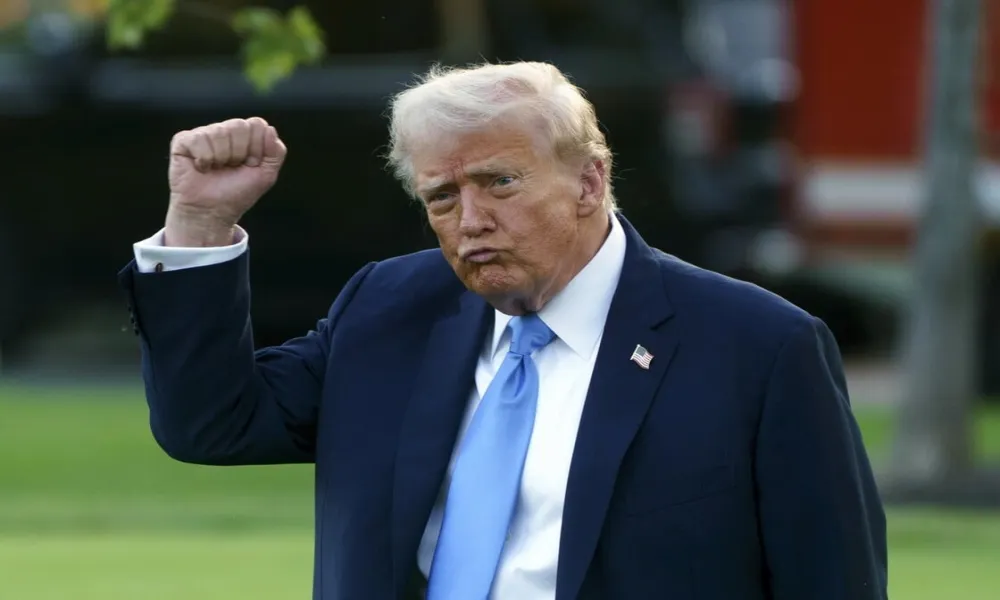
On its nuclear programme, Tehran stated on Tuesday that it has no intention of allowing inspectors from the International Atomic Energy Agency (IAEA) to inspect key facilities struck by Israel and the US, directly contradicting President Donald Trump, who claimed Iran had "fully and completely accepted" inspections "at the highest level."
Doubts also persist over the fate of Iran's highly enriched uranium stockpiles. Tehran has denied for decades that it seeks nuclear weapons, but insists it has the right to a full civilian nuclear energy programme.
Frozen funds
On the possible release of Iranian assets, the governor of Iran's central bank contradicted Trump's claim that the funds must be used to purchase goods "exclusively from the US", though he did not rule out some American purchases. The first $12 billion to be unfrozen will be allocated to purchasing "essential goods and medicines," said governor Abdolnaser Hemmati.
In a largely symbolic move, the US Senate adopted a non-binding resolution ordering the return of American forces deployed during the war against Iran, provoking Trump's fury. "While I have Iran 'on the ropes', ready to fall... the Senate decides to organise an untimely and pointless vote," he wrote on Truth Social.
The Lebanon front
Israeli fire in southern Lebanon since Saturday killed two people on Tuesday, according to Lebanese authorities. Israel's military said it had targeted "armed terrorists"; Beirut said the victims were municipal workers carrying out infrastructure works.
Hezbollah, the Iran-aligned Shia movement accused of drawing Lebanon into the war in early March, condemned what it called a "flagrant violation" of the ceasefire and demanded a full Israeli withdrawal from Lebanon on a clear timeline. Israeli military operations, including an occupation of part of southern Lebanon, have killed more than 4,100 people in the country, according to the Lebanese Ministry of Health.
The Israeli strikes were recorded as the fifth round of direct negotiations between the governments of Prime Minister Benjamin Netanyahu and President Joseph Aoun began in Washington, talks which Hezbollah has denounced.
Source: CNA