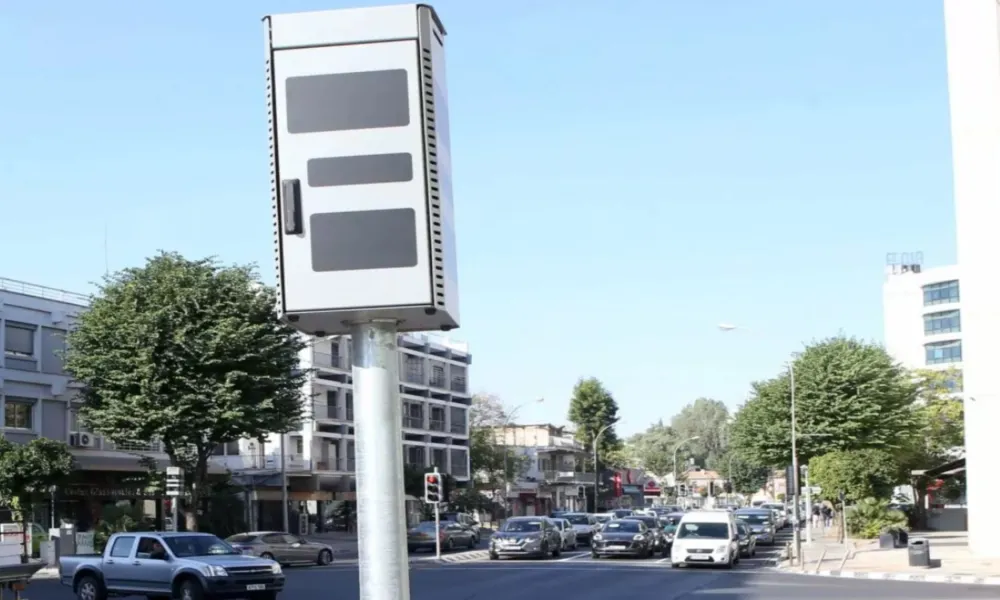

Out-of-court fines worth at least €6.36 million remain uncollected for offences recorded by traffic cameras involving rental vehicles with Z registration plates. Since the cameras began operating, 68,173 offences have been recorded. In most of these cases, no driver has been identified or named.
Figures submitted to the House
The figures were submitted to the House of Representatives by Transport Minister Evanthia Tsolaki, in reply to a question from DISY MP Prodromos Alambritis. According to the data:
- 68,173 offences were recorded in total
- In 41,114 cases, the driver could not be identified
- In 15,118 cases, no driver was named
- In 8,501 cases, the driver who committed the offence was named
- Only 3,428 fines were paid
- 12 cases were taken to court
The Ministry of Transport estimates that the amount not collected from these fines is at least €6,361,472.
Bill to make rental firms share customer details
In her letter to the House, the minister revealed that a new bill on the use of traffic cameras seeks to address the problem of identifying drivers. The legal vetting of the bill was completed on 21 September 2026, and it is expected to be submitted to the House soon.
Among other provisions, the bill makes it mandatory for owners of car rental companies to give the police all the information needed to identify their customers. This includes their full name, identity card or passport number, residential address, email address, mobile phone number and other relevant supporting evidence.
The aim is to reduce the number of cases in which the driver who committed an offence cannot be identified or named.
Fines to be served by text message or email
The bill also allows out-of-court fines to be served by alternative means, such as a mobile phone text message or email. According to Ms Tsolaki, this change is expected to reduce the time required and make the process of serving fines more efficient.
The mandatory transfer of customer details by rental companies, combined with the electronic service of fines, is expected to help reduce the number of offences that go without an identified driver.