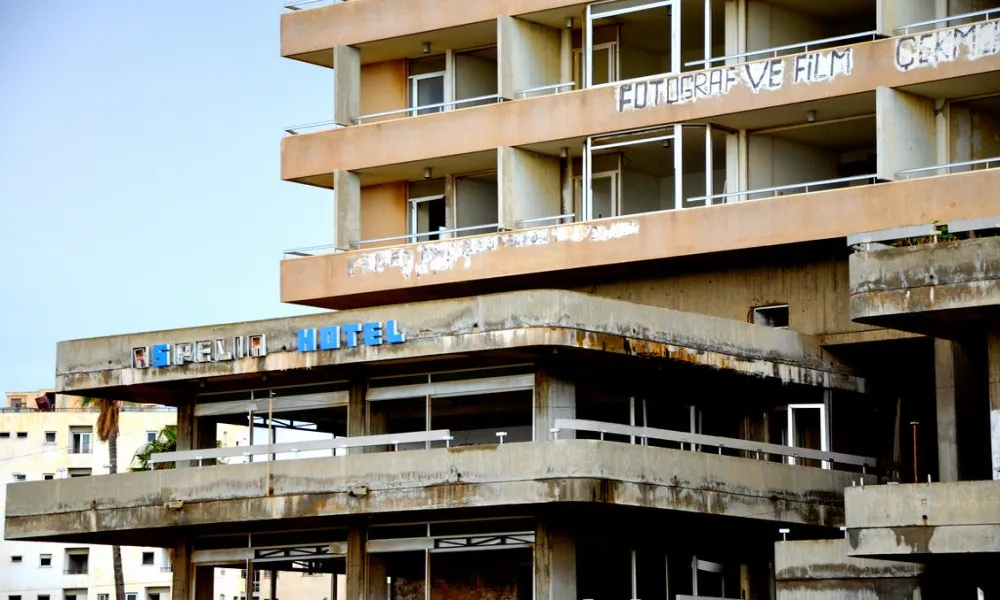

The Holy Archbishopric of Cyprus has categorically denied information circulated on social media about the alleged recent sale of the Aspelia Hotel, which is located in the fenced-off area of Famagusta and is owned by the Church of Cyprus.
Speaking to Politis, a representative of the Archbishopric made clear that the claims have no basis, rejecting the content of the posts in the most categorical terms. “There is no such thing,” he said, stressing that there is no possibility the Archbishopric would ever proceed with such an action, particularly when it concerns property it owns in the occupied areas.
He also described the reports as “figments of imagination”, underlining that no form of development or exploitation of Archbishopric property in the occupied areas for financial gain has ever been raised, even as a thought.
The rumours prompted discussion on social media, as the specific property is located in the fenced-off city of Famagusta, an area with a particularly sensitive political and legal status linked to the relevant United Nations resolutions.
The history of the hotel
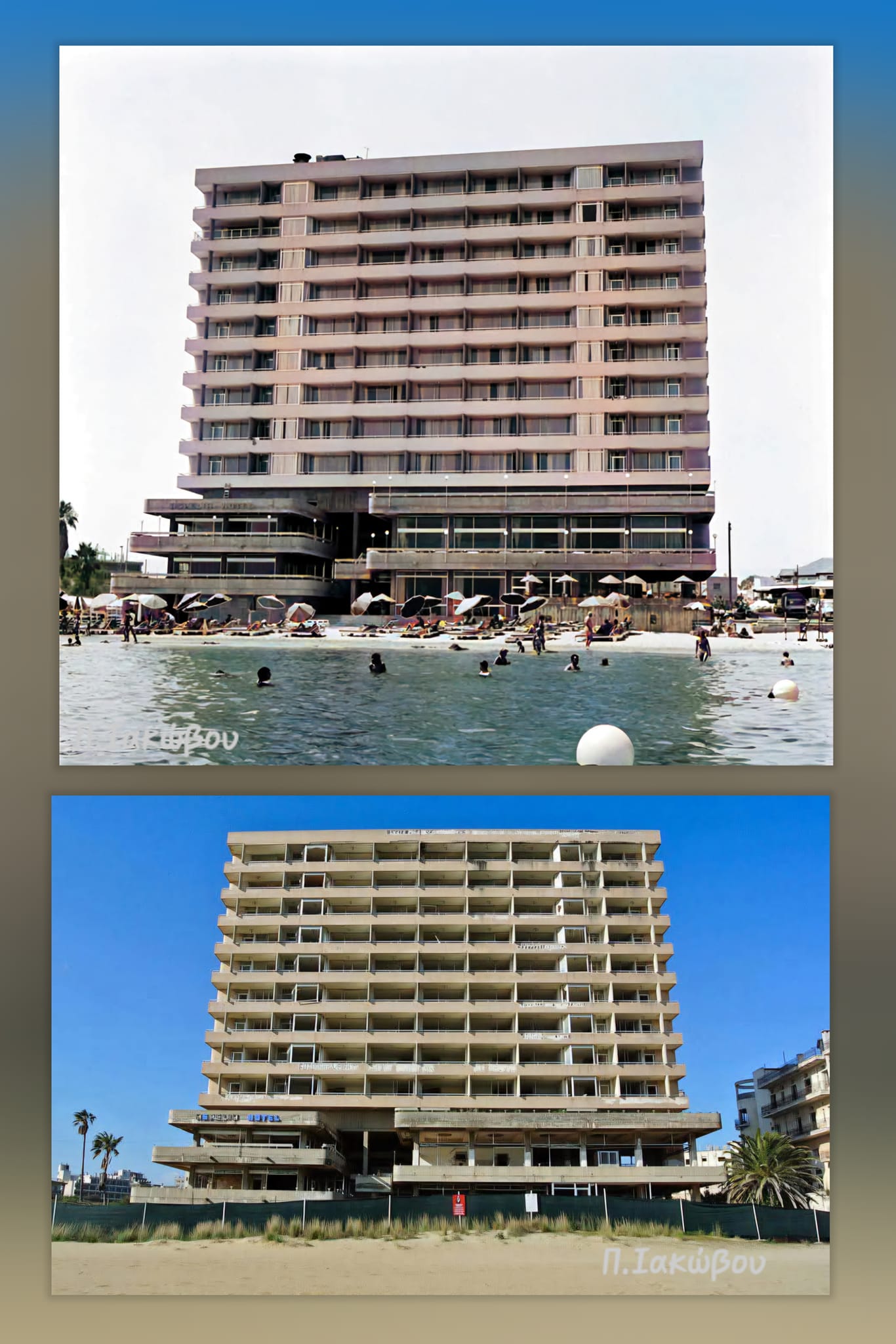
The Aspelia Hotel was one of the emblematic hotels of cosmopolitan Famagusta before 1974, during the period when Varosha was considered the ultimate tourist destination of the Eastern Mediterranean. It was built in 1972 on Glossa beach, in the area of Famagusta that is fenced off today, as a four-star hotel with 160 rooms, at a time of explosive tourism growth for the city, which then accounted for almost half of Cyprus’ hotel capacity. The complex was designed by architects Iakovos and Andreas Philippou, through the firm J. & A. Philippou Architects Engineers, while a distinctive element was that the same architectural ensemble also included the Church of Agia Triada, designed by architect Theoharis David. With the Turkish invasion of 1974 and the abandonment of Varosha, the Aspelia, like dozens of other hotels in the area, was left frozen in time behind the fences of the closed city. From a symbol of Famagusta’s tourism boom, it was transformed into one of the most characteristic “ghosts” of the lost city.
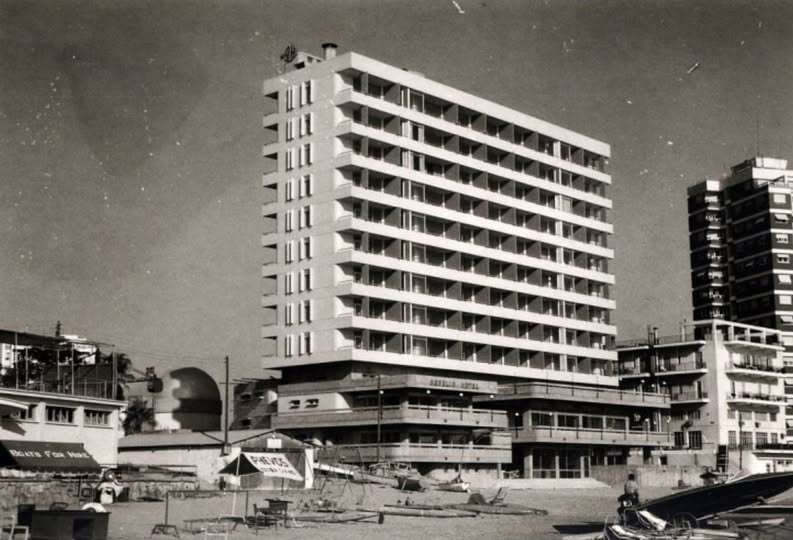
The Aspelia belonged to the generation of hotels that made Famagusta an international jet-set destination, before the city fell abruptly silent in the summer of 1974.
Its creation is said to be linked to the Church’s investment strategy during that period, under Archbishop Makarios III, when the Church was also highly active in the business sector. After the Turkish invasion of 1974, the Aspelia was abandoned along with the rest of fenced-off Famagusta and has remained frozen in time ever since, as one of the characteristic hotel shells of Varosha.