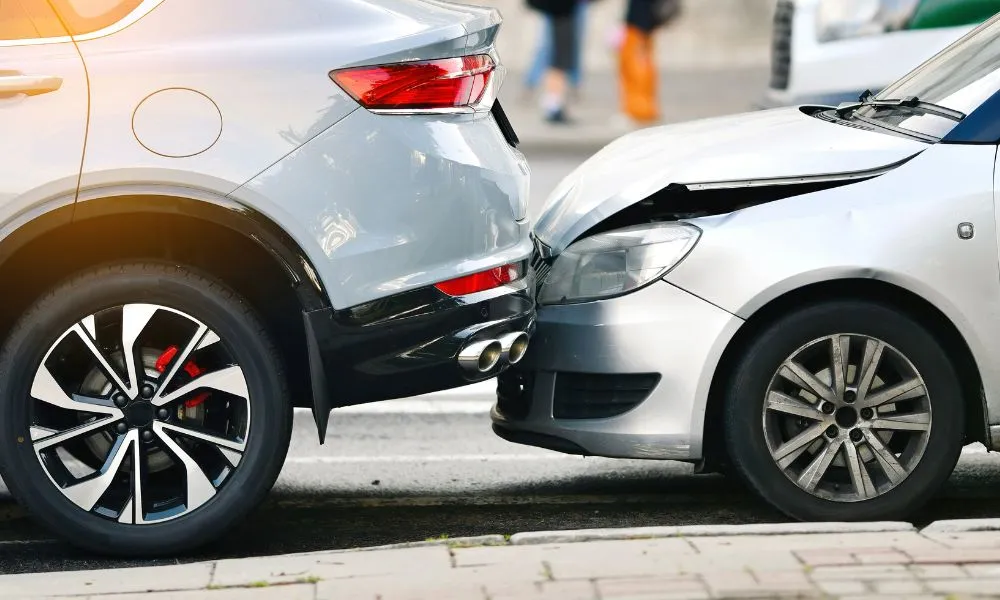

Mr Ashikkis said on Politis 107.6 and 97.6 and the programme Morning Briefing with Katerina Eliadi that the amended legislation now introduces an explicit obligation for drivers involved in road accidents involving only material damage to move their vehicles from the roadway, provided certain actions are first taken and there is no danger.
As he noted, until recently drivers were not obliged to move their vehicles in such cases. This now changes, on the condition that:
- there are no visible bodily injuries
- the vehicles can be moved without towing or further damage
- no additional danger or obstruction to traffic is caused
In these cases, those involved have a legal obligation to move the vehicle to the nearest safe location.
“It is prohibited to abandon a vehicle in a manner that obstructs traffic or creates danger,” he stressed.
The sub inspector noted that before any movement, drivers must carry out basic actions:
- inform their insurance companies
- exchange details such as names, licences, insurance, registration numbers and contact numbers
- take photographs of the scene of the accident, with the vehicles in their final positions and the damage clearly visible
- send the material according to the instructions of the insurer or its representative
Penalties for obstructing movement
Under the new legislation, anyone who encourages or forces a driver not to move their vehicle or not to follow the prescribed procedures commits an offence and, in the event of conviction, faces a fine of up to 1,000 euros.
The role of insurance companies
In response to a question about whether insurers agree with the process and who covers the damage, Mr Ashikkis clarified that insurance companies continue to have full responsibility for coverage and settlement.
The difference, as he explained, is that the process now takes place after the vehicles have already been moved, once the necessary actions and recording of details have been completed. Insurers proceed with settlement based on expert assessment and cooperation.
When the police are called
The police must be notified immediately in cases where there are injuries, whether minor, serious or fatal.
In these situations, drivers have additional obligations, such as remaining at the scene and providing assistance or calling an ambulance if needed.
What “without injury” means
Mr Ashikkis pointed out that if initially there is no indication of injury but this arises later, then procedures for medical assessment and compensation are activated through the insurer, in accordance with medical opinion and doctors’ reports.
Safety on motorways
Special reference was also made to safety on motorways, where, as he noted, drivers must first ensure their own safety, place warning triangles and move off the roadway before taking photographs or other actions.
The role of insurers
Finally, he clarified that no insurance representative has the authority to prevent the movement of a vehicle in accordance with the law, and must accept photographic material and statements from those involved for the investigation and settlement of the case.