Louis Hotels is implementing an investment plan and a strategy to upgrade its portfolio, while at the same time attempting to address the challenges created by geopolitical developments in the Middle East, which are directly affecting Cypriot tourism.
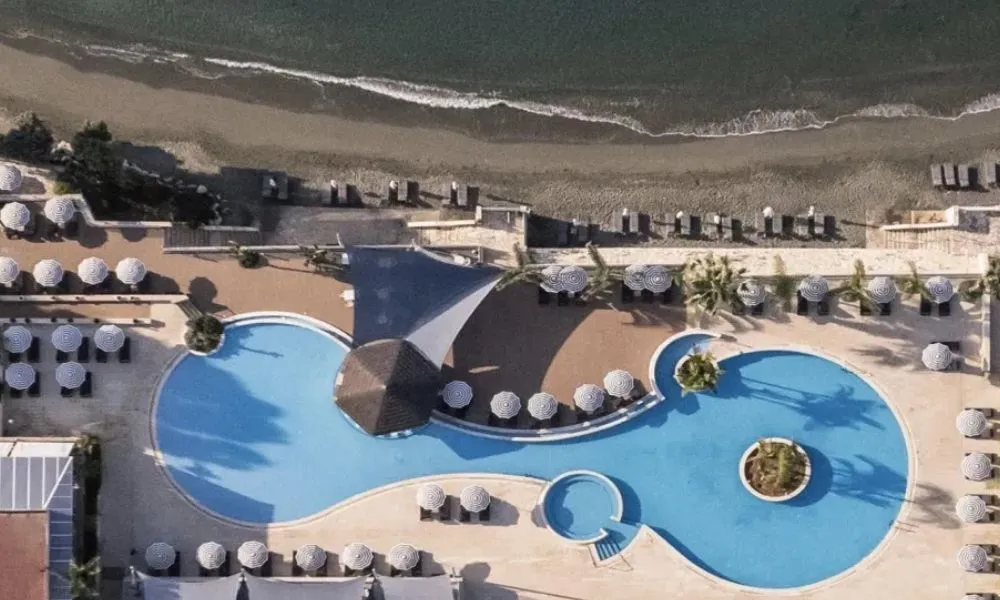
As stated in a radio interview by the group’s Chief Commercial Officer, Popi Tanta, Louis Hotels currently has 25 hotel units in Cyprus and Greece, with a continuous goal of upgrading quality and visitor experience. At the same time, a broad investment programme is being implemented, focusing on renovations and modernisation of units, with characteristic examples being the fully renovated five‑star Imperial Island Resort in Paphos and the new Valmar Corfu in Corfu. The Imperial Island Resort “has completely changed its look and style” and targets both families and couples, she noted. It is a premium family all‑inclusive resort.
According to data presented in a recent briefing by the group, investments over the last three years (2024–2026) exceed €30 million and with new units and projects are expected to surpass €60 million. The investment plan does not rule out new acquisitions and hotel leases in Cyprus and Greece, as part of further expansion.
Particular emphasis is also placed on strengthening the Cypriot market, with Popi Tanta underlining the importance of domestic tourism, especially in a year where international arrivals are under pressure.
“Cypriots are a great help this year,” she noted, explaining that demand from the domestic market significantly supports hotel occupancy, particularly during periods of uncertainty.
Offers to the Cypriot public
Within this framework, the group has proceeded with an aggressive discount policy in order to encourage bookings from the Cypriot public. For this period, discounts of up to 35% are offered, with packages including free accommodation for two children in family hotels and additional benefits for adult visitors. These offers aim to make holidays in Cyprus more affordable, while maintaining high levels of quality.
A difficult year
Despite the investment moves, this year is developing more difficultly than initially estimated. As she explained, “we had a lot of cancellations in March and April,” due to the negative image created internationally as a result of developments in the region.
This has resulted in the season currently moving at “-15% to -20%,” with the market attempting to recover through last‑minute bookings.
The situation is better in Greece, where the market reacted faster, limiting losses, in contrast to Cyprus which depends more heavily on specific markets and is directly affected by geopolitical tensions.
However, there is cautious optimism that the situation may improve. “It will recover, but it will not reach last year’s figures,” Ms Tanta estimated, noting that even in a positive scenario the year may close around -10%.
Geopolitical developments will also play an important role in how the year unfolds. A possible de‑escalation in the region could improve the climate, however, as noted, “families, which make up a large part of tourism, have already cancelled and chosen other destinations,” limiting the chances of a full recovery.