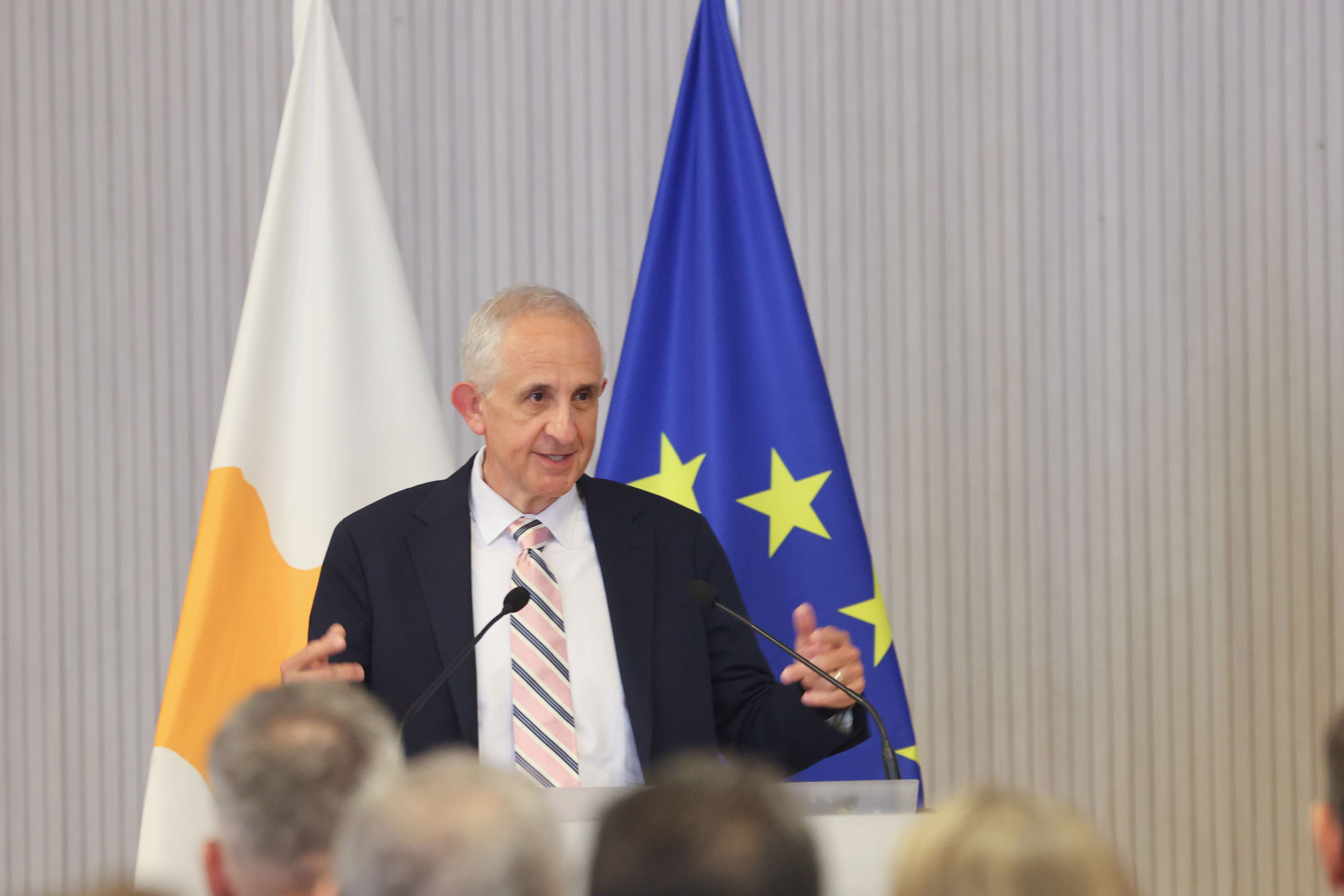
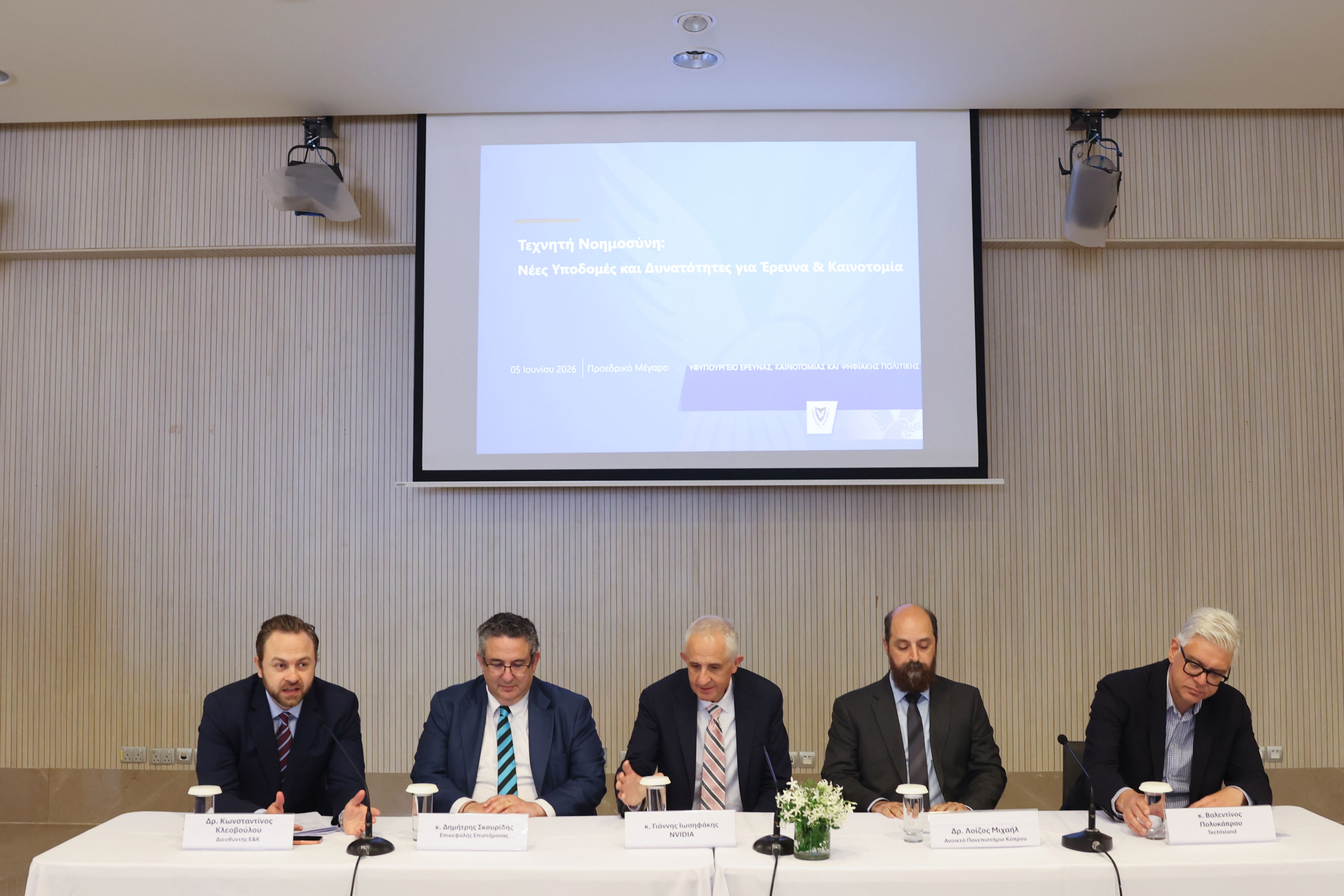
From June 5, researchers, universities and businesses in Cyprus can, for the first time, apply for access to the national artificial intelligence supercomputer, installed at the Cyprus Institute on March 26. The launch of pilot access was announced on Friday at the Presidential Palace, in the presence of the Deputy Minister of Research, Innovation and Digital Policy Dr. Nicodemos Damianou, Deputy Minister to the President Irene Piki, Chief Scientist Demetris Skourides, and John Josephakis, senior executive at NVIDIA. Full access is expected from August 1.
Until recently, Cypriot companies and researchers who wanted to run demanding AI applications had to rent computing power from foreign platforms, primarily American ones. Now the country has its own infrastructure, open to universities, research centres, the public sector and businesses. The national infrastructure is also connected to the Greek supercomputer DAEDALUS, a €60 million system located in Lavrio, expected to be fully operational by the end of summer. Through this connection, known as Pharos-CY, Cyprus joins the EU's AI Factories network as one of 13 countries with an official antenna, with 2.8% of DAEDALUS's computing power reserved for Cyprus.
From President Nikos Christodoulides' meeting with NVIDIA executives in San Francisco in April 2025 to the installation of the system, less than 12 months passed. George Tsouloupas of the Cyprus Institute, who presented the timeline, called it a "record time." Mr. Josephakis addressing the researchers and academics present, called on them to take an active role: "Spread the gospel. Make every professor in Cyprus ask for more. Use this machine for your children and grandchildren." And on his relationship with the country of his birth: "I could have forgotten Cyprus. But never. I am here for you."
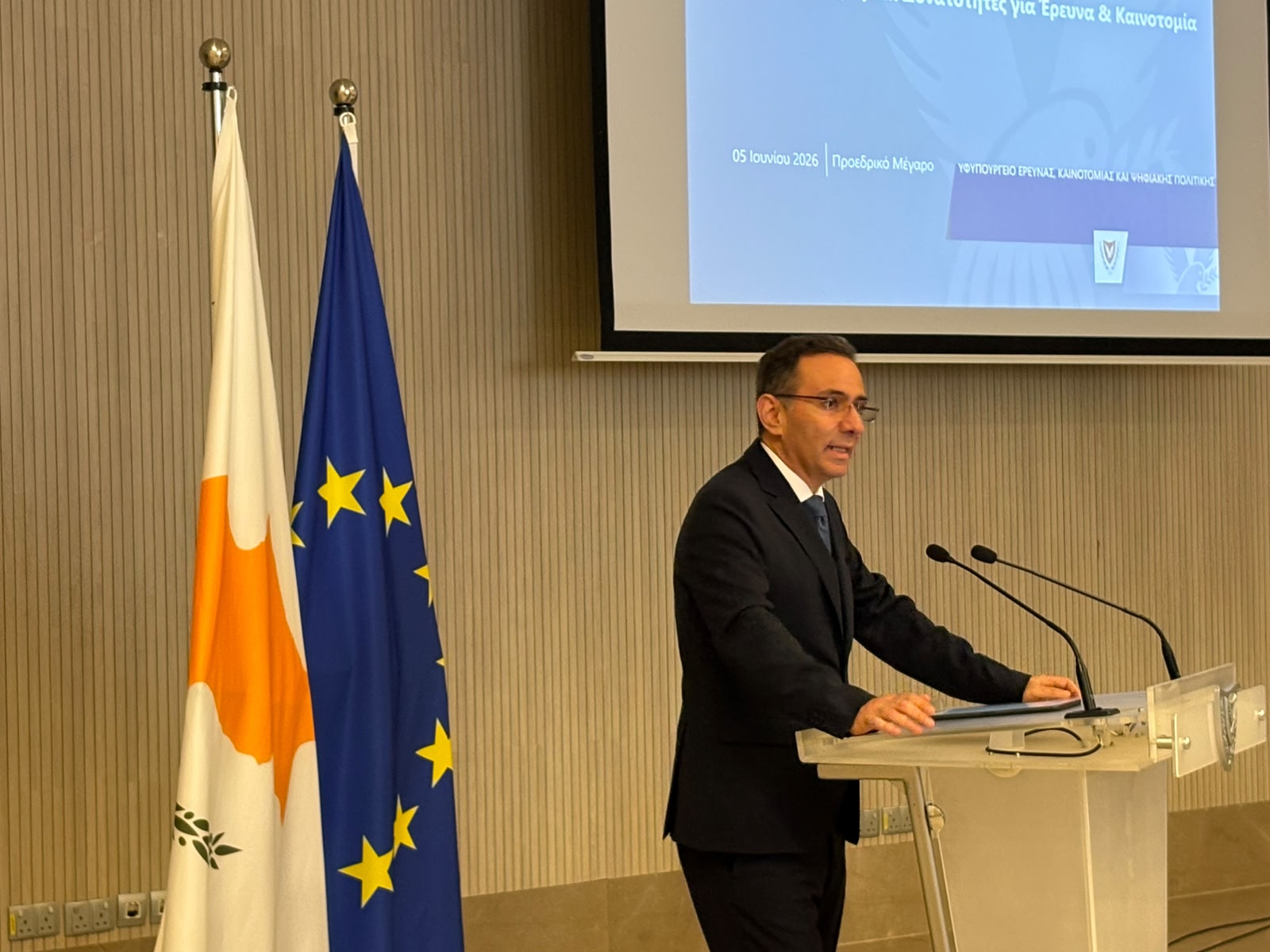
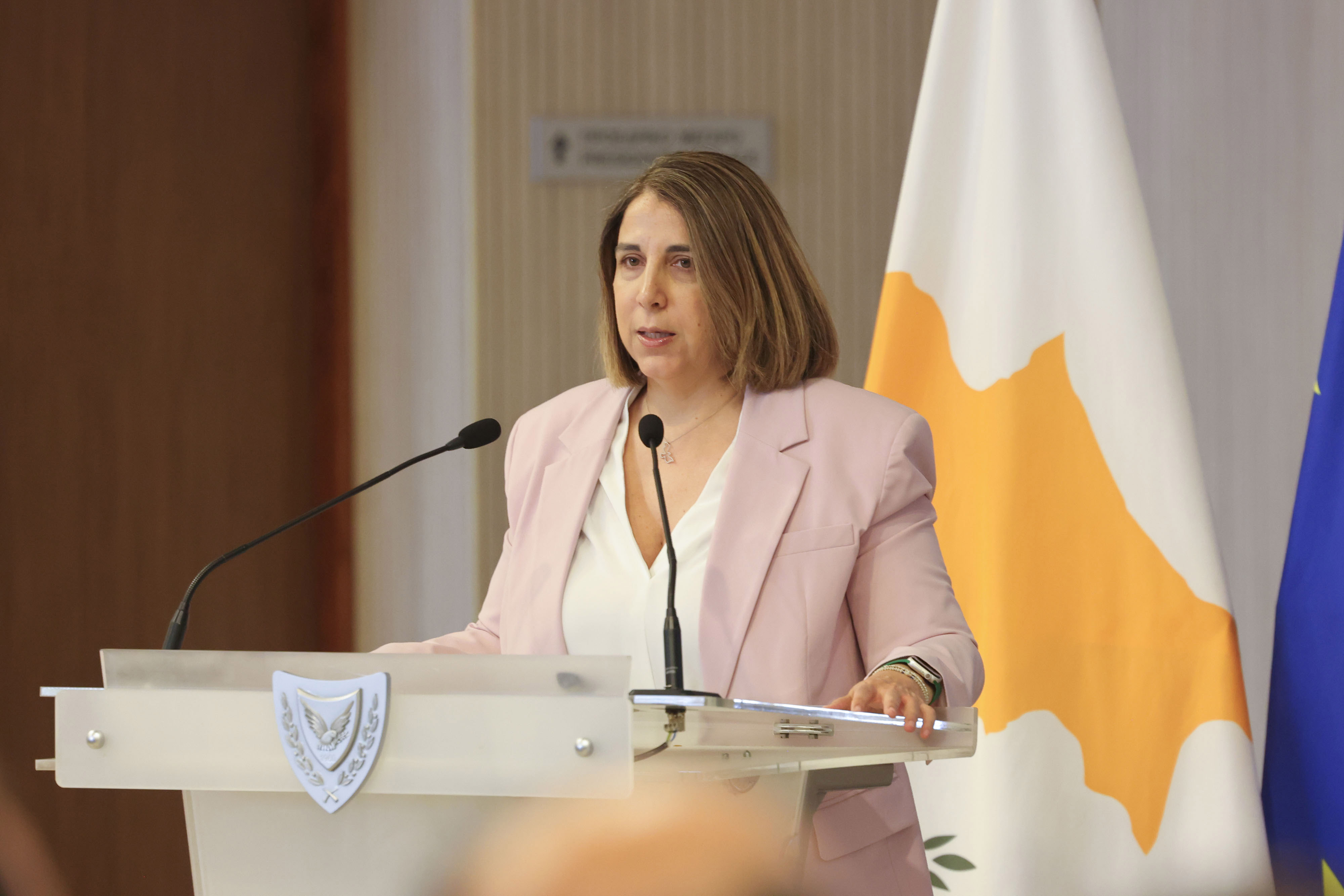
The Deputy Minister openly acknowledged that Cyprus cannot compete with large states in AI infrastructure investment. "We are living in an era of gigawatt investments," he said, stressing that the strategic choice is to develop a flexible market of high added value. A national strategy for AI is in its final stage. He cited energy infrastructure as his primary concern. Supercomputers consume enormous amounts of electricity, and for an island with an autonomous power grid this is no secondary matter. At the panel that followed, it was said that the government has moved "from 'slowly slowly' to a technological leap." Deputy Minister Irene Piki focused on the bigger challenge behind the infrastructure: for Cyprus to become a pole of attraction for talent. "We want to shape the terms of tomorrow," she said, referring to the "Minds in Cyprus" programme to connect with Cypriots of the diaspora.
Among the concrete projects announced, Cyprus and Greece will jointly develop large language models in Greek and the Cypriot dialect, one of the first tangible deliverables of the Pharos-CY collaboration. Josephakis was direct on the point: "Building your own LLM is essential." The computing infrastructure now in place makes that work possible for the first time at a national scale.