
By Akis Charalambides
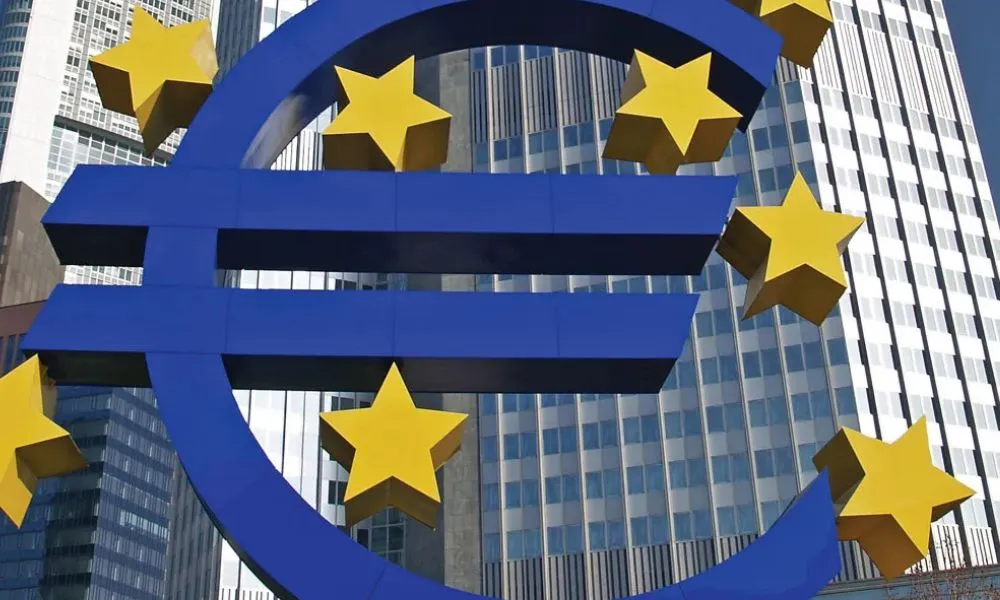
All indications suggest that the ECB will raise its key deposit rate by 25 basis points to 2.25% at its meeting next Thursday, marking the first increase in more than two and a half years. The last rate hike took place in September 2023, when the deposit rate peaked at 4%, before being reduced by two percentage points between June 2024 and June 2025.
The signal of a policy shift came from Isabel Schnabel, a member of the ECB’s Executive Board, who said that interest rates need to rise as the war has lasted much longer than expected and high energy prices are now spreading more broadly through the economy.
She added that an increase would be necessary even in the event of a US–Iran agreement to end the conflict, since energy infrastructure in the Middle East has been damaged. This suggests that a return of fossil fuel prices to pre-crisis levels is likely to be delayed.
A peace agreement has been forecast several times in recent weeks as imminent, but has yet to materialise.
Inflation risks rising
The ECB is not expected to commit to its next steps at Thursday’s meeting, maintaining its position that decisions will be taken at each meeting based on the latest available data.
However, the longer a ceasefire is delayed, the greater the risk of further inflationary pressures in the eurozone and additional rate increases. In a recent Reuters survey, 60% of economists anticipated a second rate hike in 2026, likely in September, in line with expectations in money markets.
At the same time, the slowing eurozone economy is expected to weigh heavily on ECB decisions. Further rate increases could dampen consumption and investment demand and potentially push the economy into recession.
The impact of the war is already evident in economic data. Eurozone GDP fell by 0.2% in the first quarter compared with the final quarter of 2025, with March figures negatively affected by the conflict. While the decline is largely attributed to a 12.1% contraction in Ireland’s GDP, influenced by multinational activity, the broader economic impact of the war is clear.
The outlook for the second quarter also appears weak. Chris Williamson, Chief Economist at S&P Global, said business survey data for May points to a possible further GDP decline of 0.2%, unless there is a significant improvement in June.
“The case for further rate increases will be harder to sustain if the economy continues to weaken, as lower demand will limit the ability of companies to raise prices and wages,” he said.
Balancing inflation and growth
The ECB will therefore need to carefully balance inflation risks against the prospect of a significant economic slowdown.
Inflation in the eurozone rose to 3.2% in May, up from 3% in April and 1.9% in February. The increase is mainly driven by energy prices, which rose by 10.9% year-on-year.
However, price increases are now also spreading to other sectors. Prices for services rose by 2.5% in May, up from 2% in April, while industrial goods excluding energy increased by 0.9%, compared with 0.8% and 0.7% in previous months.
These developments indicate that secondary price pressures are building across the economy – a trend likely to intensify as long as the Strait of Hormuz remains closed.
In its analysis of the May survey, S&P Global said price pressures have reached their most concerning level in more than three years, suggesting that inflation could approach 4% in the coming months.