
Pension increases ranging from 5% to as much as 55% are included in the government’s proposed pension reform, depending on each beneficiary’s contribution history and personal circumstances.
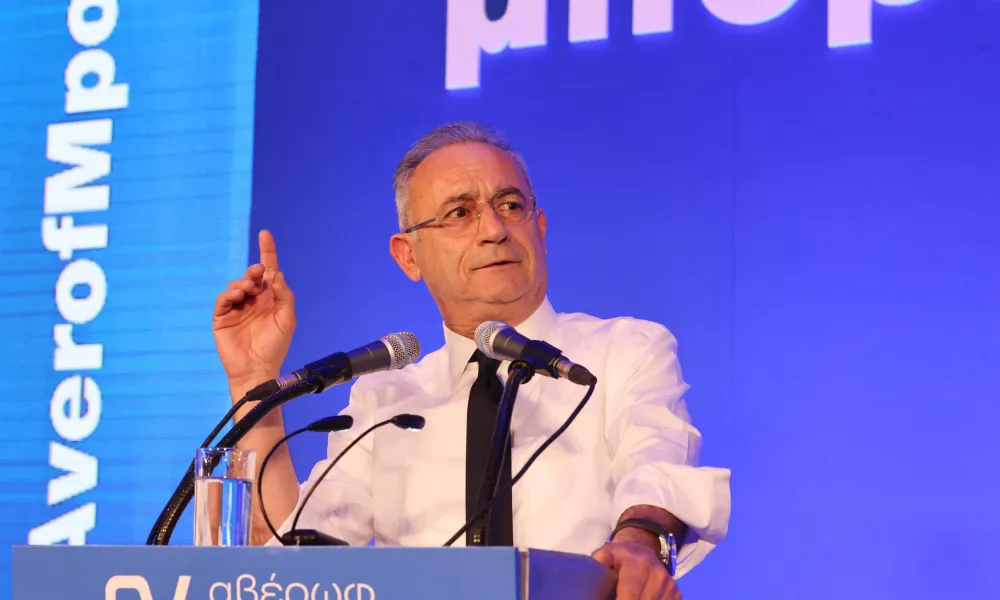
Minister of Labour and Social Insurance Marinos Mousiouttas presented the main elements of the reform following a meeting with the House Labour Committee on Tuesday. The retirement age will remain at 65 and contribution rates are not expected to increase.
Reform planned for January 2027
Mousiouttas said the legislation covering the first pillar of the pension system is expected to be presented to social partners within the next two weeks.
The proposal will also be opened to public consultation, allowing discussions with trade unions, employers and parliamentary parties to continue during the summer.
The government aims to submit the legislation to Parliament when it reconvenes, with the new pension system scheduled to take effect on January 1, 2027.
The reform includes higher pensions, new categories of contributors and contribution credits for people who may spend periods outside the labour market.
These groups include mothers caring for children, people with disabilities, informal carers and graduates who may remain unemployed for up to a year after completing their studies.
Under the proposed system, these individuals would receive credited insurance points, which would be added to those accumulated during their working lives and used to calculate their final pensions.
How the increases would be calculated
The level of each increase would depend on factors including the number of years a person contributed, the amount and frequency of their contributions and other individual circumstances.
Mousiouttas gave the example of a person who earned €11,000 a year, or about €800 a month, worked for 45 years and currently receives a monthly pension of €504.
Under the reform, that pension would increase to €750, representing an increase of approximately 50%.
A person with the same employment record who currently receives a €504 pension and an additional €220 welfare payment would also see the pension rise to €750.
The supplementary payment would be reduced from €220 to €110, bringing the person’s total monthly income to €830, compared with €720 at present.
“Some will receive more and some less, but everyone will receive an increase in their pension,” the minister said.
Contributions from passive income
The reform would introduce contributions for certain people who receive income from sources such as shares or rental properties but have not contributed to the Social Insurance Fund.
A person without a contribution record who currently receives a social pension despite earning income from rent, shares or other sources would be required to make social insurance contributions on that income.
People who already contribute to the Social Insurance Fund would not face the same requirement, although they could choose to make additional voluntary contributions to increase their eventual pension.
According to Mousiouttas, the proposal is intended to increase the Fund’s revenue and address cases in which people receive a state-funded social pension despite having the financial capacity to contribute.
Identifying those affected would require cooperation and data-sharing between government departments, subject to approval from the Commissioner for Personal Data Protection.
Retirement age and the 12% reduction
The statutory retirement age will remain at 65, while the government does not currently expect social insurance contribution rates to increase.
Mousiouttas also said the 12% actuarial reduction imposed on people who retire early would be lowered, although he did not specify the new percentage.
Reducing the penalty would result in higher payments for people who have already been affected and for those retiring during the proposed five-year transitional period.
This increase would be separate from the wider pension increases included in the reform.
AKEL MP and Labour Committee chair Giorgos Koukoumas said the committee had not received clear answers on whether the 12% penalty would eventually be abolished or how the government intended to address inequalities affecting widowers’ pensions.
He said the reform must ensure that no pensioner remains below the poverty threshold.
Social benefits under the zero pillar
The reform also covers what the government describes as the “zero pillar”, which includes benefits such as the social pension and minimum pension.
Some of these payments are currently made from state funds through the Deputy Ministry of Social Welfare.
Mousiouttas said the benefits would continue, but the application process would be simplified. Citizens would submit a single application, while the relevant ministries and deputy ministries would complete the necessary checks.
Eligible payments would then be transferred to the beneficiary’s bank account in a single transaction.
The need for supplementary welfare assistance is expected to decline gradually as standard pension payments increase.
Debate over provident funds
The second pillar of the reform covers supplementary pensions and provident funds.
Trade unions have argued that the first and second pillars should be agreed together. The government disagrees with that position but has said it is prepared to continue discussions.
Mousiouttas said the legislation for the first pillar was almost complete and should move forward while negotiations on the second pillar continue.
The government hopes to reach an agreement by September. However, implementation of the second pillar is not expected to begin for another three to four years, in line with recommendations from international pension and insurance organisations.
Outstanding issues include whether participation in provident funds should be compulsory or voluntary and how accumulated funds should be paid to workers when they retire.
DISY MP Andreas Constantinou said the party supported substantial increases for low- and middle-income pensioners, provided the reform also protected the long-term sustainability of the Social Insurance Fund.
He added that a comprehensive reform could not exclude the second pillar or the effective supervision of provident funds.
ELAM MP Linos Hadjigeorgiou called for immediate increases in low pensions and the return of money borrowed from the Social Insurance Fund.
State to repay €12 billion to the Fund
Mousiouttas confirmed that the state would stop borrowing from the Social Insurance Fund.
Approximately €12 billion previously borrowed by the state would be returned gradually, with interest, under a repayment formula agreed with the Ministry of Finance.
The money would be repaid through annual instalments over an extended period.
The minister said the process must be managed carefully to ensure that strengthening the Social Insurance Fund does not place the wider economy under excessive pressure.
Longer paternity and parental leave
The committee also discussed maternity, paternity and parental leave, as well as the employment of foreign workers.
Mousiouttas said the government was preparing to increase both paternity and parental leave after completing the pension reform.
DIKO MP Andreas Apostolou said the minister had informed MPs of plans to introduce legislation increasing paternity leave to four weeks.
Proposals are also expected on support for parents whose children are hospitalised or have serious or long-term medical conditions.
DISY MP Savia Orphanidou repeated her party’s call for maternity leave to be extended to 26 weeks and urged the Labour Ministry to begin consultations.
Koukoumas said the committee was still waiting for specific government proposals on maternity, paternity and parental leave, as well as support for working parents who must leave work to care for seriously ill children.
He also called for legislation regulating collective agreements and work placements, arguing that internships should not continue to be used as cheap or unpaid labour.
Hadjigeorgiou noted that applications for arrangements covering overdue Social Insurance Fund contributions would remain open until September 14.
Source: CNA