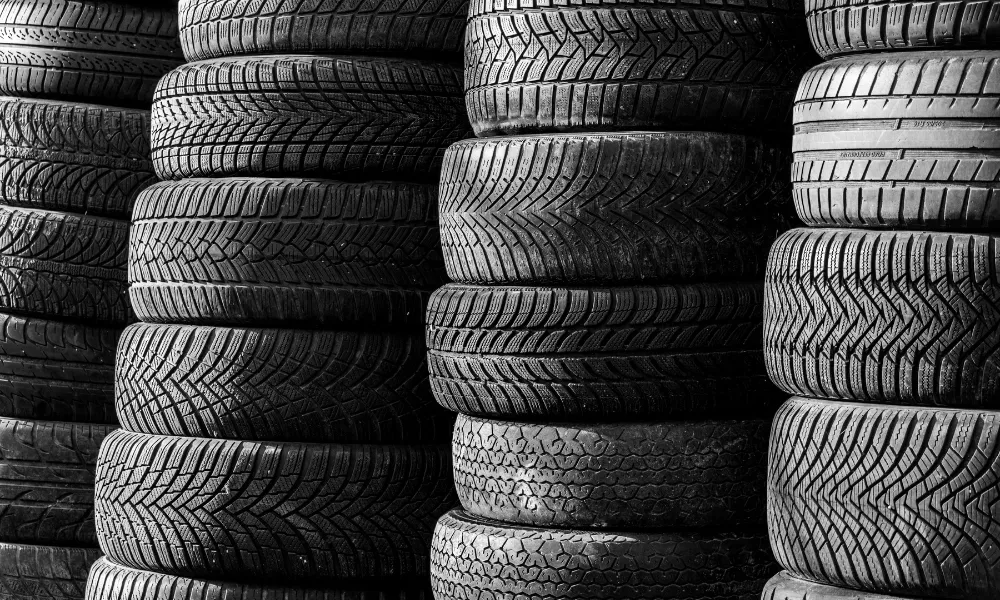

The European Union is preparing new rules for tyres as concern grows over the volume of microplastics released by vehicle use.
According to the European Environment Agency, tyre wear releases between 360,000 and 540,000 tonnes of microplastics in Europe each year, with passenger cars identified as the largest source. The EU has set a target to cut microplastic emissions by 30% by 2030, placing unintentional emissions from tyres among the environmental problems now under closer regulatory scrutiny.
The European Chemicals Agency estimates that around 176,000 tonnes of unintentionally produced microplastics end up in Europe’s surface waters every year. Particles from tyres can be washed into soil, drains and aquatic ecosystems, while smaller particles may also become airborne. They contain rubber and chemical additives, including antioxidants and other substances, making tyre wear one of the main sources of primary microplastics in the environment.
What Euro 7 Changes
The new requirements are part of Regulation (EU) 2024/1257, known as Euro 7. From 2028, new standards on tyre abrasion will apply to new passenger car tyres, known as category C1 tyres, placed on the EU market for the first time.
The rules will then be extended in stages. From 2030, they will apply to new vehicles and light commercial vehicle tyres, or category C2. From 2032, the requirements will also cover heavy commercial vehicle tyres, known as category C3.
In practice, tyre manufacturers will have to produce tyres that wear down more slowly and release fewer particles and microplastics. The regulation does not require drivers to discard or replace tyres already fitted to their vehicles from 2028. It applies to the environmental standards that new tyres sold in the European Union will have to meet.
Source: AMNA