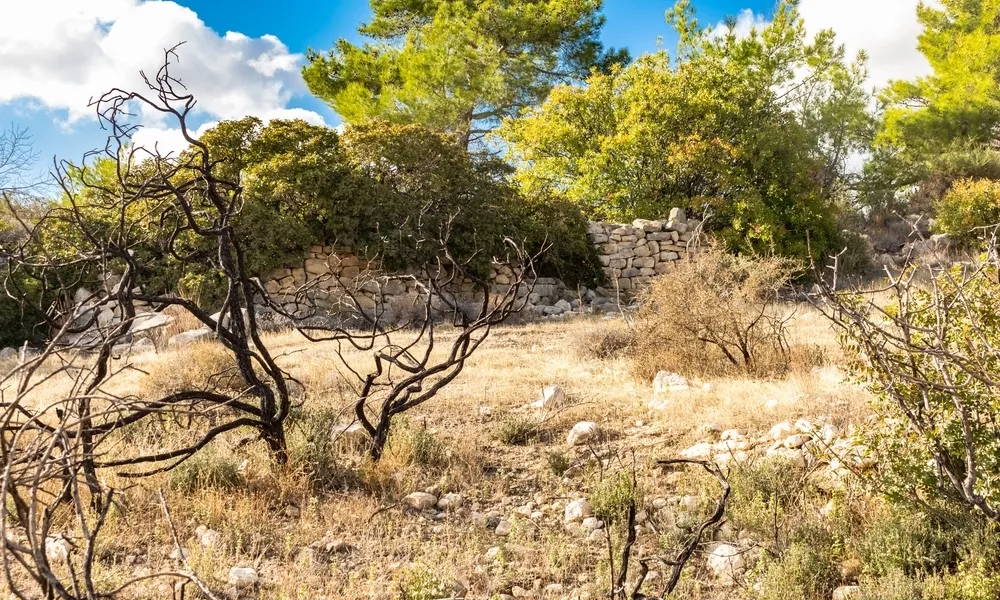



Climate change is no longer a distant or abstract threat for Cyprus. Prolonged heatwaves, dust storms, wildfires that leave behind both human loss and ruined ecosystems, and mounting pressure on water resources have stopped being isolated incidents. Together they form a new normal, one that demands a different way of thinking and acting. It is against this backdrop that the concept of climate justice has taken on particular weight for the island.
In conversation with Natasa Ioannou from Friends of the Earth Cyprus, a dimension of the debate that rarely gets public attention came into focus. The climate crisis, she argues, is not simply an environmental issue. It is a deeply social and political one, tied to equality, participation and democracy. Climate justice, as she frames it, is a broad lens that links the fight against climate change to the fair distribution of resources, responsibilities and solutions.
At the heart of this approach lies a simple but critical question: who is affected the most, and who actually gets to shape the response. Technological fixes and emissions targets are not enough on their own. The people who bear the brunt of the crisis, often through no fault of their own, need a genuine say in how policy is made. In practice, this might mean prioritising low income households, single parent families or larger families who struggle with costs when energy efficiency programmes for housing are rolled out.
A closed door culture
Ioannou points to what she calls a "closed door syndrome" as one of the main obstacles in Cyprus. Environmental groups and civil society more broadly are rarely brought into decision making from the outset. Instead, they are left to react after policies have already taken shape, which narrows both participation and any real chance of shaping outcomes. Limited resources make it even harder for organisations to show up to every round of consultation that matters.
The problem is compounded by how fragmented policymaking is. Energy, transport, housing, land use and natural hazard management are all deeply connected, yet they are handled separately by different ministries and agencies, with little sense of how they interact. Climate justice calls for the opposite: a holistic approach that treats these issues as a single, interconnected whole rather than a set of unrelated files.
Public debate often leans on the idea that Cypriots simply lack the culture for public transport or cycling. Ioannou rejects that framing outright. How people behave, she argues, follows directly from the infrastructure available to them. Where roads and urban planning are built almost entirely around the car, it is no surprise that people drive. Where safe, workable alternatives exist, habits shift. The same logic applies to energy. Cyprus has invested heavily in large scale renewable projects, but has given far less attention to smaller, participatory models such as energy communities.
The case of Pentakomo
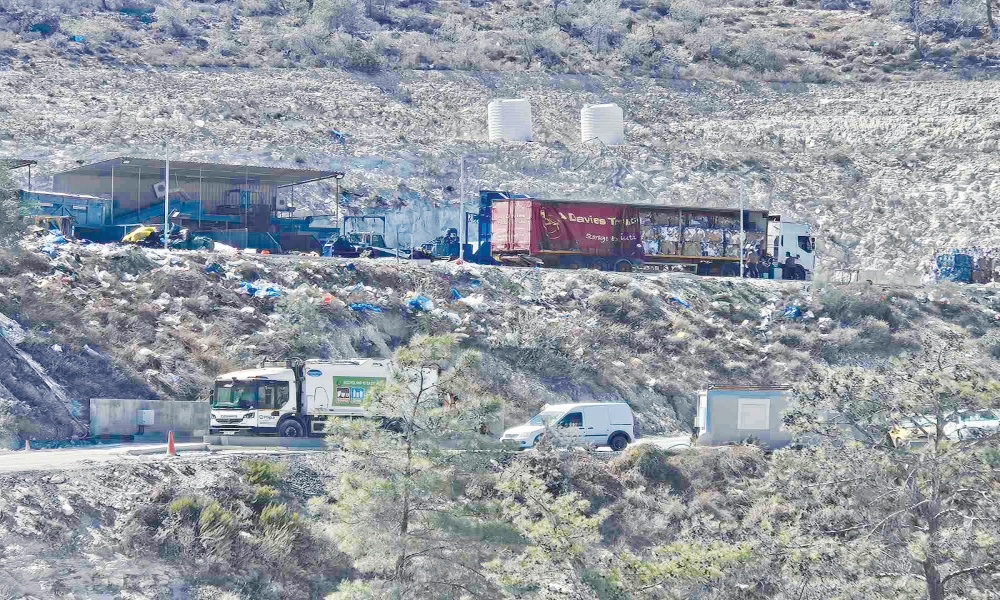
Few examples make the link between the climate crisis and social injustice as clear as Pentakomo. Heavy industry, infrastructure and polluting activity have concentrated in the area without any meaningful say from local communities in the decisions that led there. Residents face heightened health risks and a declining quality of life, despite having had little voice in how things unfolded.
The climate crisis also deepens inequalities that already exist. Energy poverty remains one of Cyprus' most acute problems, with many households unable to afford basic cooling in summer or heating in winter. At the same time, the housing crisis and rising cost of living mean that the most vulnerable people are also the most exposed to climate impacts. Policies that ignore these social dimensions risk widening inequality rather than closing it.
A question of democracy
Climate justice, Ioannou stresses, is inseparable from democracy. It concerns not only what policies achieve but how they are made in the first place. Citizen participation, transparency and genuine consultation are preconditions for a transition that is actually fair. There is no single solution that fits every case, she notes. Each community has its own needs and priorities, and these have to be built into the response rather than treated as an afterthought.
Her appeal to the public is straightforward. Staying informed is a first step, but it is not enough on its own. What is needed is active involvement, whether by following local consultations or supporting organisations and collective initiatives. That involvement can start tentatively, but it tends to deepen once people see that their voice actually counts.
Ultimately, the conversation around climate justice is more than another item on the public agenda. It offers a framework for rethinking how Cyprus organises its society and economy. The challenge for the island is not only to deal with the consequences of the climate crisis, but to do so in a way that strengthens cohesion, equality and democracy along the way. A green transition could be an opportunity, but only if it is designed and carried out with people and their needs at the centre. Otherwise, it risks becoming just another source of inequality in a society already under strain.