
Programmes against HIV in low-income countries and regions with high infection rates have been particularly hard hit.
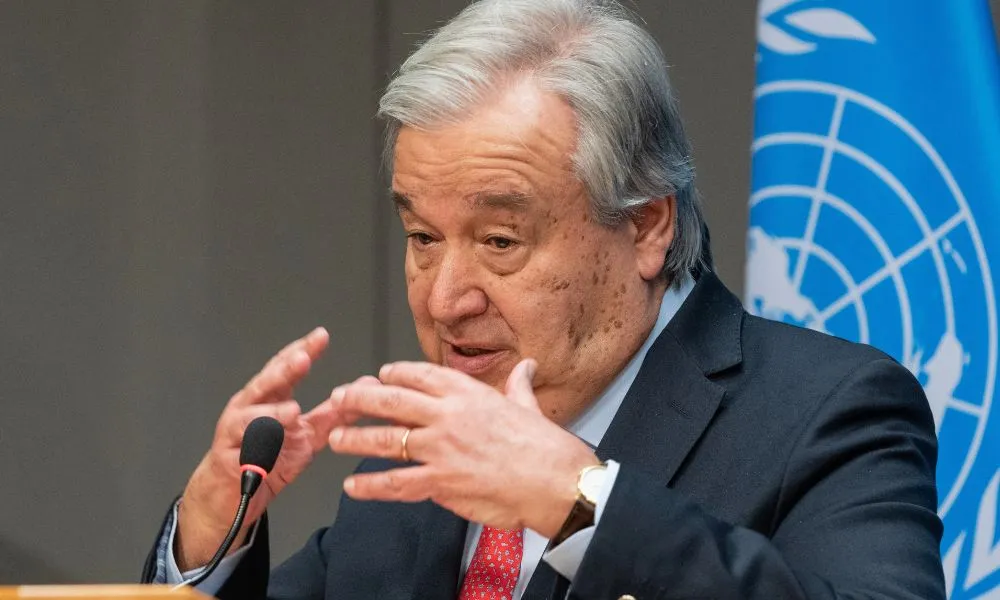
UN Secretary-General António Guterres warned on Monday that decades of progress in the fight against HIV and AIDS risk being undermined due to global funding cuts.
“AIDS-related deaths have been reduced by 70% since their peak in 2004, but that progress is now under threat in the face of severe funding cuts,” Guterres said in a post on X.
AIDS-related deaths have been reduced by 70% since their peak in 2004, but that progress is now under threat in the face of severe funding cuts.
— António Guterres (@antonioguterres) June 22, 2026
No country or community can #endAIDS alone.
Together, let’s demonstrate that the international community can rally around science,…
Winnie Byanyima, Executive Director of the United Nations programme on HIV and AIDS, UNAIDS, citing OECD data, noted that development aid fell by 23% in 2025.
She stressed that HIV programmes in low-income countries with high infection rates have suffered particularly severe setbacks. In countries heavily affected by HIV, testing rates have dropped by 22%, while funding for condom distribution has fallen by more than 90% in some regions, she added.
She also said efforts to protect the most vulnerable populations appear to be reversing, particularly for women and girls, transgender individuals and sex workers. Increasing criminalisation of these groups is contributing to the spread of the virus that causes acquired immune deficiency syndrome, she added.
Ahead of the General Assembly, António Guterres stressed that the global fight against AIDS is far from over. By the end of 2024, around 9.2 million people who needed treatment still did not have access to it, he noted.
According to UN data, around 630,000 people died from AIDS-related illnesses in 2024.
The General Assembly began its two-day session on HIV and AIDS on Monday (June 22–23), aimed at adopting a political declaration.
Source: CNA