The EU Council Presidency and the European Parliament on Thursday reached a provisional agreement to simplify parts of the EU’s artificial intelligence framework, the EU Council said in a press release.
The deal is part of the Omnibus VII legislative package under the EU’s simplification agenda and aims to ease the implementation of harmonised AI rules while reducing administrative burden for businesses.
Administrative costs reduced
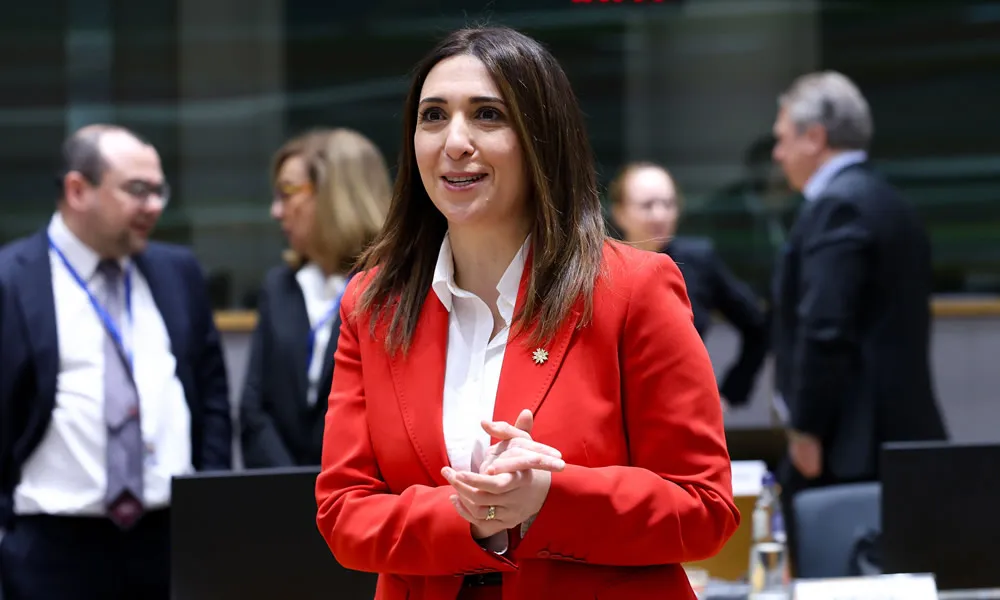
Cyprus Deputy Minister for European Affairs Marilena Raouna said the agreement would boost competitiveness while strengthening safeguards.
“Today’s agreement on the AI Act significantly supports our companies by reducing recurring administrative costs,” Raouna said. “It ensures legal certainty and a smoother and more harmonised implementation of the rules across the Union, strengthening the EU’s digital sovereignty and overall competitiveness.”
She added that the deal also enhances protection for children from AI-related risks and marks the first deliverable under the “One Europe, One Market” roadmap agreed by the EU institutions last week.
The agreement largely follows the European Commission’s proposal to delay the application of rules on high-risk AI systems and introduce targeted amendments, including broader exemptions for small mid-cap companies and measures to reduce governance fragmentation.
Non-consensual sexual content banned
Under the provisional agreement, AI practices involving the generation of non-consensual sexual or intimate content and child sexual abuse material are explicitly prohibited. Fixed dates are also set for the delayed application of high-risk rules, with stand-alone high-risk AI systems covered from 2 December 2027 and high-risk systems embedded in products from 2 August 2028.
The deal reinstates the obligation for providers to register exempted AI systems in the EU high-risk database and tightens conditions for processing sensitive personal data for bias detection. Deadlines are also adjusted for the establishment of national AI sandboxes and for transparency obligations related to AI-generated content.
The provisional agreement now requires formal approval by the Council and the European Parliament, followed by legal and linguistic revision.
Source: EU Council press release