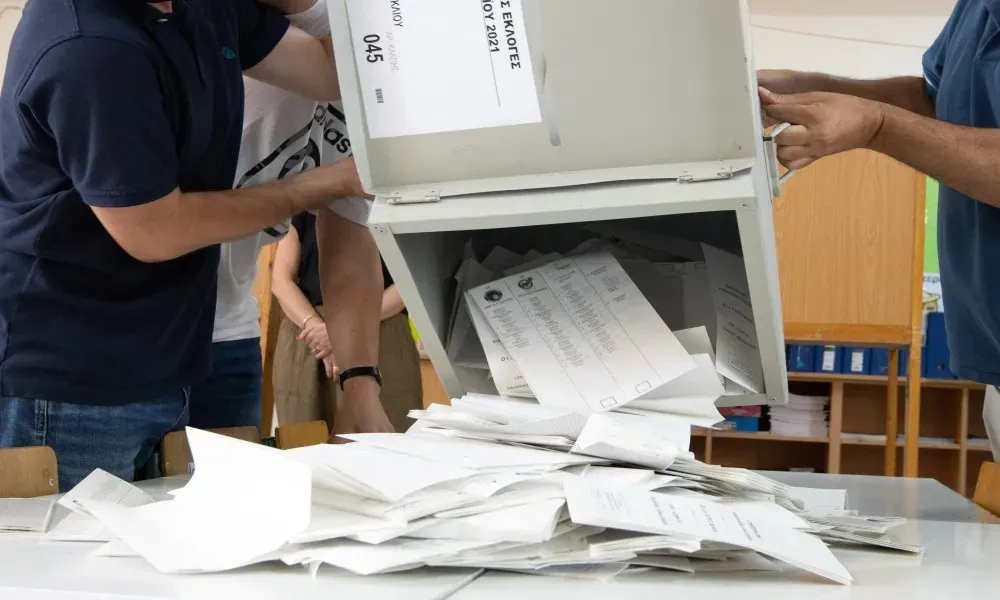

Although the electoral process has concluded, both successful and unsuccessful parliamentary candidates still have one final obligation under electoral law – the submission of detailed records of their campaign income and expenses, accompanied by receipts and invoices that verify the accuracy and legitimacy of their declarations.
Under the legislation, these detailed reports must be submitted within two months of the publication of the election results in the Official Gazette of the Republic. This places the deadline at the end of July.
The statements of election expenses are first submitted to the General Returning Officer and then forwarded to the Auditor General for the required audit. At the same time, candidates must publish these reports either in two daily nationwide newspapers or on their personal websites, as part of efforts to strengthen transparency and public accountability.
Failure to submit an election expenses report constitutes a criminal offence. Upon conviction, the law provides a prison sentence of up to six months or a fine of up to €340, or both. In addition, the court may order the deprivation of voting rights and the removal of the convicted individual from the electoral register for a period of up to seven years.
The €30,000 limit
The electoral law sets a maximum spending limit of €30,000 for parliamentary candidates, of which up to €5,000 may be allocated exclusively to personal expenses. However, there appear to be cases where candidates may have exceeded this limit, judging by the scale of their advertising campaigns and the organisation of events in venues.
In all cases, detailed scrutiny, as provided for by law, will be carried out by the Audit Office of the Republic, which will cross-check the data submitted in the candidates’ income and expenditure reports. In this context, all entities providing advertising services – including media outlets and advertising companies – are legally obliged to send consolidated statements to the Audit Office detailing the services provided to each candidate or on their behalf within one month of the election date. Failure to comply also constitutes a criminal offence.
What candidates must declare
In their detailed reports, all parliamentary candidates must include:
- Any donations and contributions received
- Any discounts or other benefits related to the campaign
- Any outstanding or disputed debts linked to election expenses
- Personal expenses incurred
Publication and penalties
Once the Audit Office completes its review, it prepares a report outlining its findings and publishes it.
If a candidate is found to have exceeded the permitted spending limit, the report is forwarded to the Returning Officer, who imposes a fine equal to the amount overspent. The Audit Office’s report will name candidates found to have breached the €30,000 ceiling.
Cross-checking data
The Audit Office has compiled its own database recording candidates’ election spending, which was updated daily throughout the campaign period. The aim is to compare these records with the data submitted by all 753 candidates and by advertising providers, to determine whether any candidates deliberately omitted expenses or exceeded the legal limit.
According to information obtained by the newspaper, the Audit Office’s records include cases of candidates who dominated advertising visibility in urban areas, through extensive use of billboards and a strong presence on social media. Campaign events involving significant expenditure have also been recorded.
In some instances, candidates are reported to have organised particularly costly events, such as receptions and gatherings on luxury yachts. Photographic and audiovisual material from such events has been posted on social media, providing additional evidence to support the documentation of related expenses.
The same scrutiny appears to extend to other campaign activities, including social events and receptions organised either by candidates or their supporters. These cases are expected to be examined in detail as part of the Audit Office’s effort to ensure full transparency and compliance with electoral legislation.
Spending beyond scrutiny
A number of campaign expenses appear to fall outside the Audit Office’s oversight. It is not always possible to monitor pre-election gatherings held in cafés, tavernas or clubs. The difficulty is particularly pronounced in cases involving cash payments, which significantly limit the ability to trace transactions.
There are also reports of candidates purchasing services from communications consultants and pollsters – expenses which, according to available information, are often not declared and are difficult to fully detect and verify.
Loopholes in the law
Candidates appear to benefit from gaps in the electoral law, which may allow them to exceed the €30,000 limit without detection.
Under current legislation, the audit of campaign expenses covers only the three-month period preceding the election date. In this case, the official campaign period began on 24 February 2026 and ended on 23 May 2026, the day before the election.
As a result, any campaign spending incurred by candidates, political parties or their supporters before 24 February 2026 falls outside the scope of oversight and is not included in the expense reports submitted to the Audit Office.