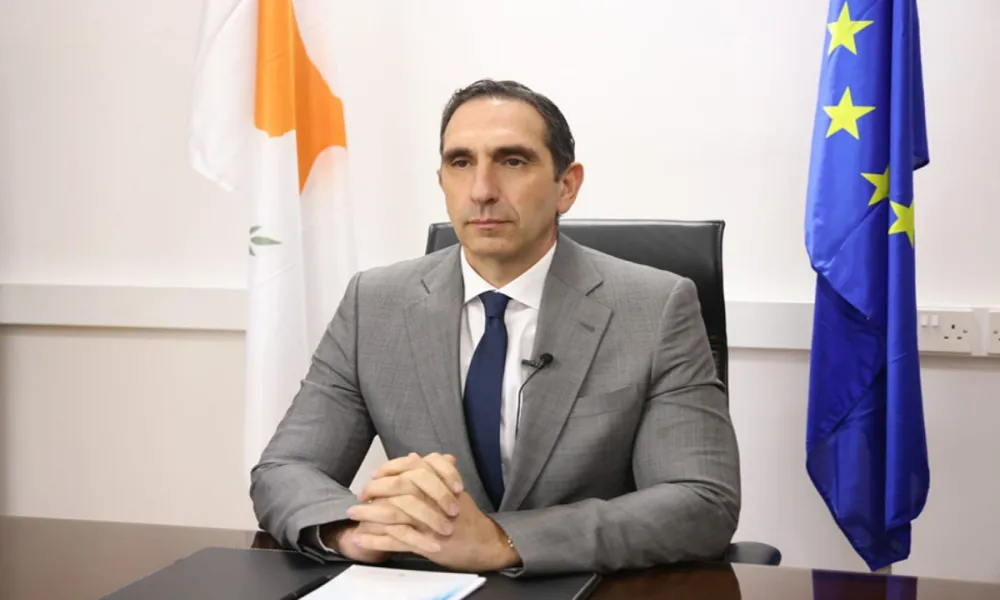

A National Coordinator will have overall operational responsibility during major emergencies under Cyprus' planned National Civil Protection Mechanism, according to Interior Minister Constantinos Ioannou.
Speaking on Politis radio, Ioannou said the mechanism will be able to begin operating once the legislation is approved and the necessary decisions are taken by the Council of Ministers, although full staffing and implementation of the new structure will require between one and two years.
One coordinator for all services
Ioannou stressed that services such as the Forestry Department, Fire Service and Ambulance Service will remain within their existing administrative structures.
However, during major natural or man-made disasters, a single National Coordinator will assume responsibility for overall operational coordination.
“Right now, the problem is fragmentation between services,” he said, arguing that the new structure will improve the mobilisation and deployment of resources.
The minister said the coordinator will be appointed by the Council of Ministers following a recommendation from the Interior Ministry and must possess the necessary expertise and operational experience.
“Someone has to make the decision. Do I deploy aircraft? Do I activate additional resources?” he said, highlighting the importance of the role.
The mechanism will cover emergencies including:
- earthquakes
- floods
- wildfires
- pandemics
Issues related to warfare and cybersecurity will remain outside its remit.
Civil Defence has only 31 permanent staff
Ioannou acknowledged that Civil Defence has been neglected for years despite growing demands on the service.
He said it currently employs only 31 permanent staff members.
The reform will create 13 new positions to support the administration of the new civil protection structure.
More than 1,000 shelters under review
The minister also revealed that a third round of inspections of public shelters is under way after problems were identified at three shelters during earlier spot checks.
Authorities have set a deadline until the end of October to complete a new review of more than 1,000 shelters.
Ioannou expressed concern over the limited response from private individuals and organisations to efforts aimed at identifying additional shelter spaces.
Upgrade to 112 system expected within 18 months
Addressing the public warning system, Ioannou acknowledged that problems emerged during its initial operation and said time is needed for adjustments.
He added that the planned upgrade of the 112 emergency system, including the ability to process images, video and location data, is expected to be completed within one to one-and-a-half years.