The European Union is continuing to strengthen its humanitarian support for Lebanon, with Commissioner for Equality, Preparedness and Crisis Management Hadja Lahbib visiting the country on Friday and Saturday as the EU’s seventh humanitarian flight arrived in Beirut.
According to a European Commission statement, the latest EU Humanitarian Air Bridge flight is carrying essential health and shelter supplies from EU reserves and partner organisations to support the country’s most vulnerable communities.
Dramatic humanitarian situation
The Commission said the mission underlined the EU’s solidarity with Lebanon and its continued humanitarian commitment to the country.
During her visit, Lahbib met Lebanese President Joseph Aoun, describing the talks in a post on X as “important” and stressing that a political solution remained “the only way forward”.
“The humanitarian situation remains dramatic, with more than three million people in need,” she said.
Fragile ceasefire
The Commissioner also met Lebanese Prime Minister Nawaf Salam, with discussions focusing on the fragile ceasefire and negotiations expected next week.
Lahbib said the EU welcomed Lebanon’s efforts to address the crisis and remained a steadfast partner of the country, adding that Lebanon’s territorial integrity must be fully respected.
Her programme also includes meetings with humanitarian partners operating on the ground, including United Nations agencies, international and local aid organisations, and women’s groups.
According to the European Commission, following the escalation of hostilities in Lebanon in March 2026, the EU allocated €100 million in humanitarian assistance for 2026, bringing total EU humanitarian support to the country to €1 billion since 2011.
The EU Civil Protection Mechanism, activated by Lebanon, has also facilitated the delivery of critical equipment and emergency supplies from member states including Belgium, Germany, France and Romania.
Acute food insecurity
The Commission added that the EU and its partners have so far delivered aid through six previous Humanitarian Air Bridge flights. Supplies have included food, medical kits, shelter materials and clothing kits.
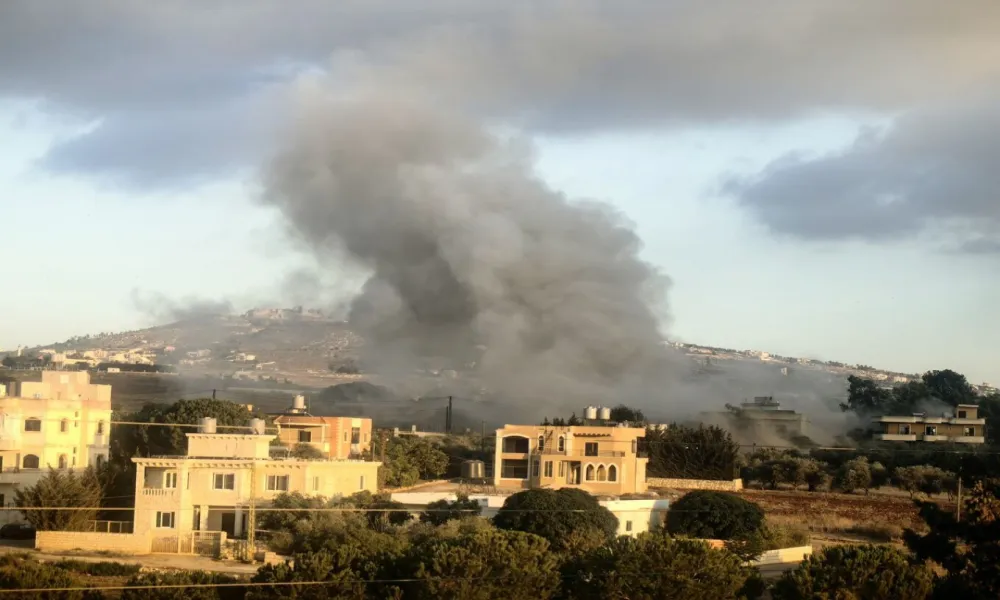
Commission figures show that around three million people - more than half of Lebanon’s population - were already in need of humanitarian assistance before the recent escalation in fighting between Israel and Hezbollah.
Since then, thousands of people have reportedly been killed or injured, more than one million displaced, and nearly one in four residents is expected to face acute food insecurity between April and August 2026.
The European Union also said it stands ready to send additional humanitarian assistance, with further support operations planned in the coming weeks.
CNA