Spanish authorities have identified the so-called ‘patient zero’ linked to the hantavirus outbreak on board the cruise ship MV Hondius, as preparations intensify to evacuate passengers when the vessel reaches the Canary Islands.
The individual believed to have triggered the outbreak is Leo Silperund, a 70-year-old ornithologist. He and his 69-year-old wife, who also died, were on a five-month trip to South America. Their itinerary included Argentina, Chile and Uruguay, before they returned to Argentina in late March, where they reportedly took part in a birdwatching excursion that proved fatal.
The couple lived in a small Dutch village of around 3,000 residents and were identified through obituaries published in the village’s monthly magazine.
Large-scale evacuation operation
A major, tightly coordinated operation has been put in place by Spanish authorities to evacuate passengers from the Hondius, which is due to reach the Canary Islands on Sunday, 10 May. Officials have described the plan as highly detailed, with some observers likening it to a military-style operation.
The ship was previously denied access to Cape Verde, while its expected arrival off Tenerife has caused concern among local residents, despite assurances that strict health protocols are in place.
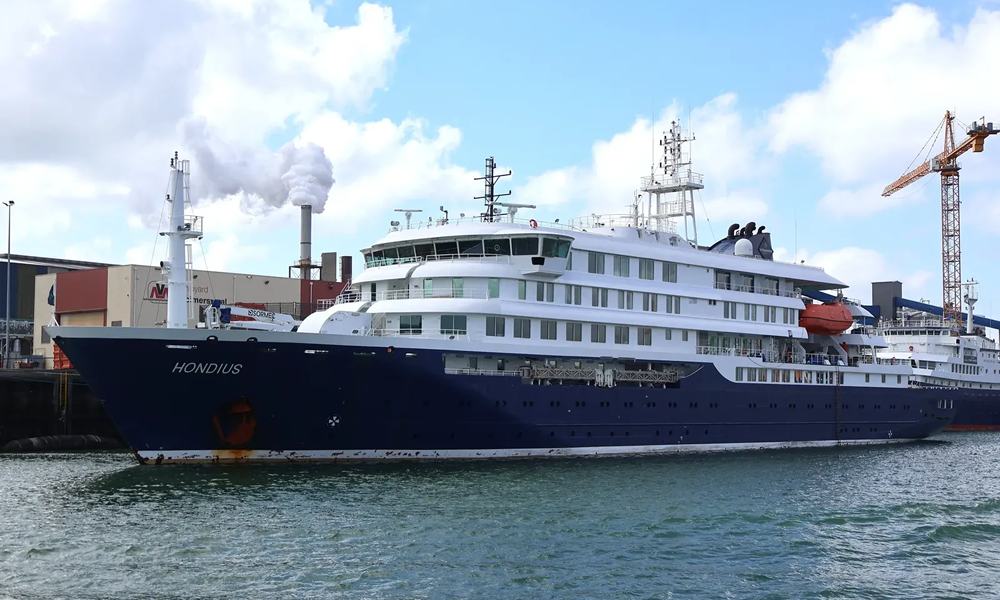
According to The Independent, the vessel is expected to enter Canary Islands waters in the early hours of Sunday and anchor just outside the port of Granadilla, on Tenerife’s south-eastern coast. The industrial port is about a 13-minute drive from the island’s airport, from where repatriation flights will depart.
‘We all want the passengers to return home safely, but we are worried about how this will affect our health and our livelihoods, which depend on tourism,’ said Patricia Fernández Bueno, a 44-year-old holiday rental owner in the area.
The Hondius will not dock. Instead, small boats will ferry passengers ashore in groups of five to a restricted section of the port, where specially equipped vehicles will take them directly to the airport. Passengers will not enter airport terminals.
Spanish nationals will be flown to Madrid and referred to the Gómez Ulla military hospital.
Local official Alfonso Cabello said operations would begin at first light, weather permitting, and stressed that the ship must leave the area by Monday due to worsening sea conditions expected to last until late May.
Within this narrow window, authorities aim to disembark, process and repatriate passengers of 22 nationalities.
Crew and ship handling
Thirty crew members will remain on board to sail the ship to the Netherlands, where national authorities will oversee its disinfection. The body of one passenger who died on board will also remain on the ship for the duration of the voyage.
If weather conditions deteriorate before all passengers are disembarked, the Hondius will continue directly to the Netherlands with those still on board, Cabello said.
Local opposition and safety concerns
The ship’s approach has sparked protests. Elena Ruiz, a representative of the Tenerife dockworkers’ union, told The Independent that around 55 union members at Granadilla port would not report for duty over the weekend, while residents plan to demonstrate.
‘What is arriving is a biological risk,’ Ruiz said, arguing that existing protocols are designed for much smaller-scale operations. ‘There are not enough safeguards to protect those handling the arrival.’
She added that while the absence of workers would not prevent the ship’s arrival – which will be handled by port police and the Civil Guard – it would affect industrial port operations.
Repatriation flights and quarantine
Several countries with nationals on board are sending aircraft to Tenerife, expected to arrive late on Saturday or early Sunday. The Netherlands has confirmed it will also take responsibility for non-essential crew members.
Cabello said all personnel involved, from bus drivers to police and health workers, have been briefed on safety procedures.
Pedro Gullón, Director General of Public Health at Spain’s Ministry of Health, said authorities are assessing the appropriate quarantine period for Spanish passengers.
‘This must be evaluated based on the virus’s incubation period, so isolation is not extended beyond what is necessary from a public health perspective,’ he said.
Hantavirus can have an incubation period of up to 45 days. However, the Andes strain – the only variant known to spread between humans and the one detected on the Hondius – typically has a transmission window of around 48 hours before and after symptoms appear.
Reports received by authorities indicate that no passengers or crew have shown symptoms since 28 April.
Sources: cnn.gr, The Independent