
G7 leaders are meeting in Evian-les-Bains from Monday for a summit shaped by a sudden diplomatic opening between the United States and Iran and by wider tensions over Ukraine, trade and global economic policy.
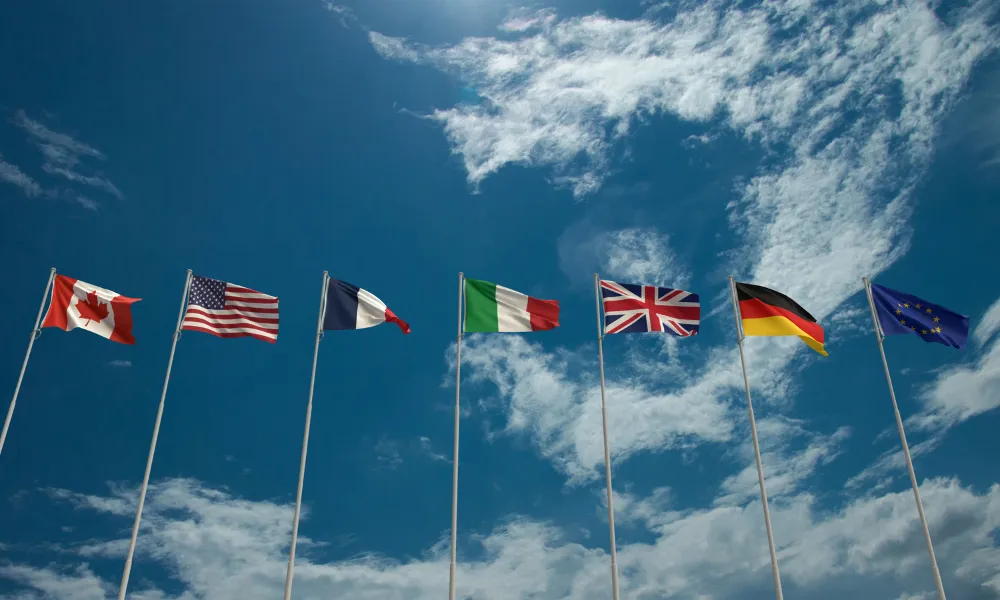
The June 15 to 17 gathering brings together the leaders of the United States, France, Germany, Canada, Italy, Japan and Britain, alongside the European Union. It comes shortly after Washington and Tehran announced a preliminary agreement aimed at ending the war, a development expected to dominate the first round of talks.
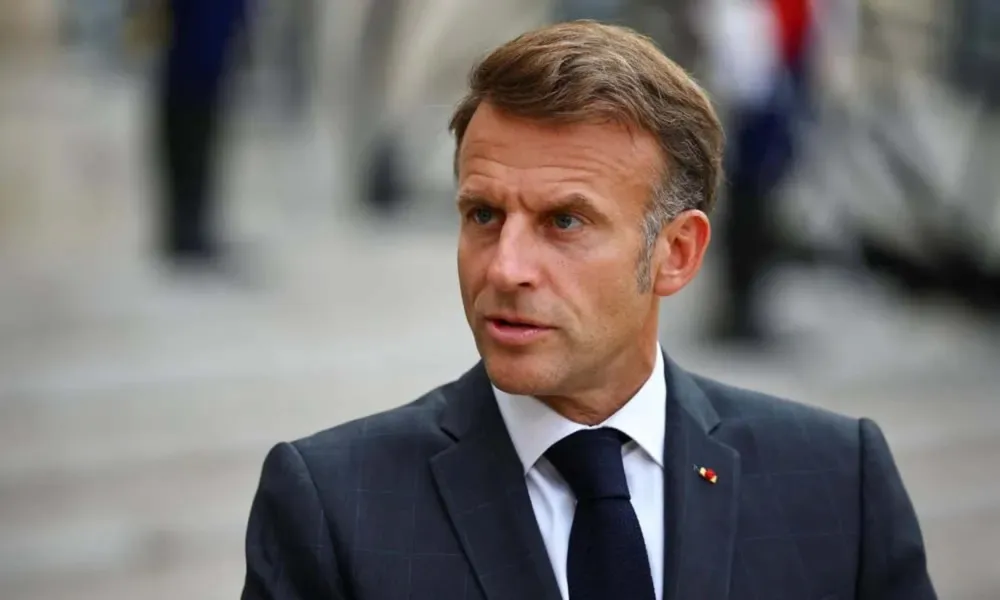
French President Emmanuel Macron said the summit would examine the consequences of the agreement, long-term access through the Strait of Hormuz, support for Lebanon and the need for a wider arrangement covering Iran’s nuclear and ballistic missile programmes.
Middle East diplomacy is also expected to continue on Tuesday, with leaders from Egypt, the United Arab Emirates and Qatar joining discussions.
Donald Trump is due to meet Macron on Monday before attending the opening dinner with the other G7 leaders. The US President’s return to the summit table adds another layer of uncertainty, given the sharp differences between Washington and European capitals over trade, security and the handling of several international crises.
For Macron, who is hosting the G7 for the second time after Biarritz in 2019, the summit is also a chance to show that the format can still deliver results at a moment of strained alliances. The French presidency has described the meeting as a “summit of crises” but also one aimed at producing concrete outcomes.
Ukraine will be another central issue. Ukrainian President Volodymyr Zelenskyy is expected to attend a session on Tuesday, as European leaders seek to maintain pressure on Russia and secure continued US backing for Kyiv.
Beyond the wars in the Middle East and Ukraine, the summit is expected to focus on global economic imbalances, China’s industrial subsidies, tariffs, critical minerals and the debt burden facing developing economies.
Artificial intelligence will also feature on the agenda, with technology leaders including OpenAI’s Sam Altman and Anthropic’s Dario Amodei invited to a working lunch on Wednesday. France wants the discussion to focus on AI regulation and the protection of children online, including possible restrictions on minors’ access to social media.
The broader test for the G7 will be whether leaders can produce a common message despite deep policy differences, particularly before the United States assumes the group’s presidency in 2027.
Source: CNA