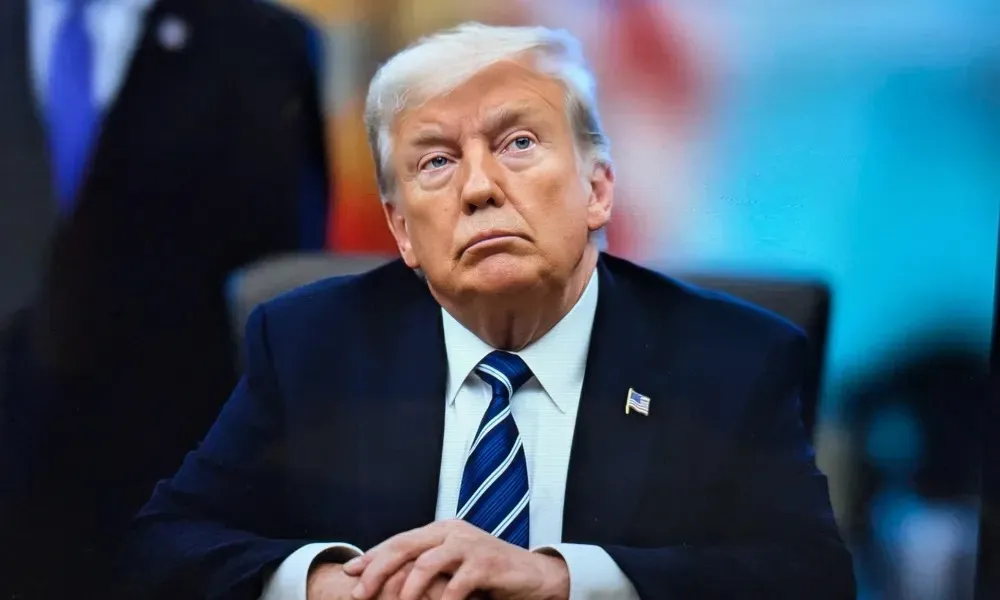
The situation in the Middle East is entering a new and critical phase, as Donald Trump claims that a memorandum of understanding with Iran has now been signed, while Tehran has not fully confirmed the US assertion of a digital signature. According to Al Jazeera, the US president said the agreement is “all signed” and that the Strait of Hormuz will be fully open by Friday, when the official signing ceremony is expected to take place in Switzerland.
The most immediate impact concerns navigation in Hormuz. International media report that three Iranian oil tankers and two cargo ships have passed through the strait following the lifting of the US naval blockade, according to Iranian sources. This development is seen as crucial for global energy markets, although shipping sources warn that a full return to normal conditions could take weeks due to security concerns and possible mine-clearance operations.
At the same time, reports over the past eight hours have mentioned explosions in the Hormuz area. According to the Guardian and Israeli media citing Iranian sources, three blasts were heard south of Qeshm island and may be linked to efforts to manage traffic in the maritime zone.
On the political front, Trump insists that Iran has committed to never acquiring nuclear weapons. US Vice President JD Vance told NBC News that nuclear inspectors will “definitely” return to Iran, adding that a key part of the agreement is the involvement of the IAEA and the United States in dismantling Iran’s stockpile of highly enriched uranium.
However, the full text of the agreement has not been made public, fuelling reservations in Washington, Tel Aviv and Tehran. Reuters reports that the two sides describe key aspects of the memorandum differently, from the nuclear programme to sanctions and the fate of frozen Iranian funds. According to the same source, an Iranian official says Washington has committed not to impose new sanctions until a final agreement is reached, while Trump maintains that there will be no immediate financial transfers to Tehran.
A particularly sensitive issue remains a proposed investment fund of $300 billion for Iran. The Guardian, citing the Financial Times, reported that the Trump administration is considering such a plan under conditions linked to Iranian compliance. Trump dismissed the report as “fake news”, while Vance clarified that no direct US funding is envisaged.
The most volatile front remains Lebanon. The Guardian reports that the agreement includes a ceasefire in Lebanon, but not the withdrawal of Israeli forces from areas they have taken. Benjamin Netanyahu said Israeli forces will remain in Lebanon, Gaza and Syria “for as long as necessary”, while Hezbollah is reported to have launched rockets and drones at Israeli forces in southern Lebanon, with the Israeli military saying the attacks were intercepted.
In Israel, reactions are intensifying. The Jerusalem Post reports that officials are criticising the inclusion of Lebanon in the US–Iran agreement, while Netanyahu said Israel does not know the full terms of the deal. He added that although he and Trump often “see things the same way”, there are also moments of disagreement.