
The European Union agreed on Thursday to its 21st package of sanctions against Russia, its largest in four years, with 218 new listings targeting Moscow's financial system, its military-industrial complex and its energy sector. EU ambassadors reached the agreement in Brussels on Thursday morning, according to the bloc's Irish presidency, which called it an important step forward in the early weeks of its Council presidency.
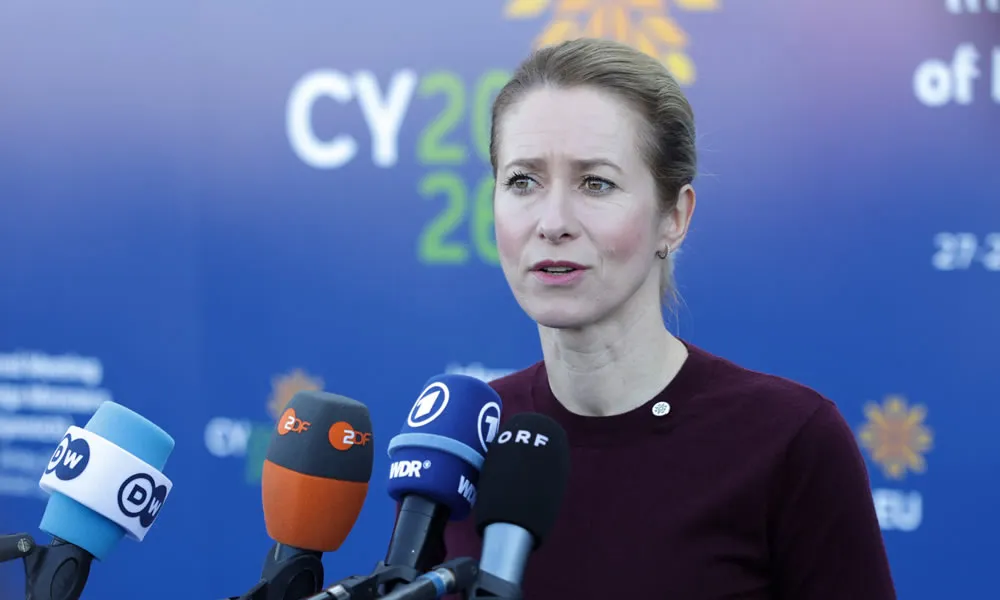
EU foreign policy chief Kaja Kallas said the package delivers sweeping measures aimed at keeping Russia's war economy running, describing the goal as cutting off the financial lifelines President Vladimir Putin relies on to sustain the war. The listings include more than a hundred banks and crypto operators, over 40 vessels from Russia's so-called shadow fleet, and several oil refineries in Russia and Belarus.
More than 50 military-industrial entities are also listed, including key actors involved in producing Russia's long-range drones, as part of what Kallas described as a response to Russia's continued attacks on civilians, infrastructure and cultural heritage. The package includes a one-year freeze on adjustments to the Group of Seven's oil price cap, intended to stop Moscow benefiting from market shocks, and new restrictions on vessels supplying or refuelling already blacklisted ships in the shadow fleet.
European Commission President Ursula von der Leyen said the EU had also taken a step toward formally barring Russian combatants from entering the bloc. European Council President Antonio Costa said the package targets the sectors with the highest impact, namely energy, financial services, crypto and trade, and reaffirmed the EU's support for what he called a just and sustainable peace in Ukraine.
The agreement builds on sanctions imposed last week on those responsible for the abuse and killing of Ukrainian prisoners of war and civilian detainees, along with tech companies accused of enabling the Kremlin's repression of internet users. Kallas said the EU is already preparing further measures and must be ready to respond to any additional Russian escalation.
The package was first proposed by von der Leyen on 9 June and required weeks of negotiation among member states, given that EU sanctions require unanimous agreement.
Sources: Reuters, ANI
We have agreed on the 21st sanctions package against Russia.
— Kaja Kallas (@kajakallas) July 23, 2026
It delivers sweeping measures targeting Moscow’s financial system, its military-industrial complex and energy sector, that keep Russia's war economy running.
We are hitting Putin where it hurts most: cutting off the…