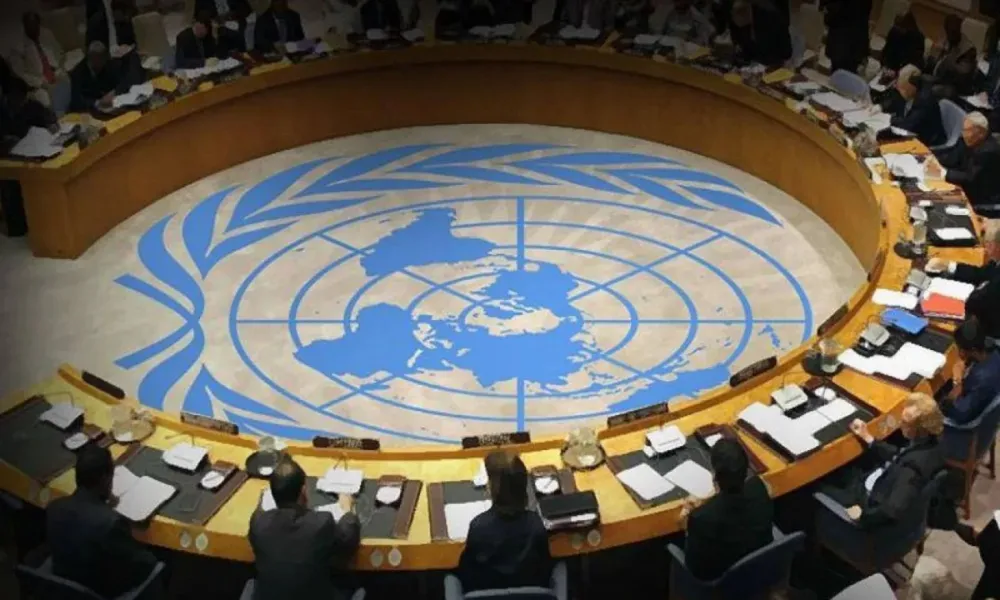

Rebeca Grynspan of Costa Rica and Carolyn Rodrigues-Birkett of Guyana have emerged as the leading candidates to succeed António Guterres as the next UN secretary-general, following the first informal straw poll conducted by the UN Security Council.
The confidential vote, held on 30 July, offered the first indication of support among the council's 15 members. At this stage of the process, it remains unclear whether any negative votes were cast by one of the five permanent members, as all ballots were identical and did not distinguish veto powers.
Grynspan tops first vote
Grynspan recorded the strongest performance in the opening round, receiving:
- 10 encourage votes
- 1 discourage vote
- 4 no-opinion votes
Rodrigues-Birkett followed closely with:
- 9 encourage votes
- 2 discourage votes
- 4 no-opinion votes
The results placed both candidates clearly ahead of the rest of the field.
Grossi in third place
Rafael Mariano Grossi of Argentina, director general of the International Atomic Energy Agency, ranked third with:
- 7 encourage votes
- 2 discourage votes
- 6 no-opinion votes
The outcome suggests his candidacy remains competitive, although a significant number of Security Council members have yet to take a clear position.
Mixed support for Bachelet and Sall
Former Chilean president Michelle Bachelet received:
- 6 encourage votes
- 5 discourage votes
- 4 no-opinion votes
Former Senegalese president Macky Sall also secured six encouraging votes but faced stronger opposition:
- 6 encourage votes
- 7 discourage votes
- 2 no-opinion votes
The figures indicate a more polarised response to both candidacies, particularly Sall's.
Espinosa and Otunnu trail
Former Ecuadorian foreign minister María Fernanda Espinosa recorded:
- 5 encourage votes
- 2 discourage votes
- 8 no-opinion votes
The large number of neutral votes suggests significant room for movement in future rounds.
Ugandan diplomat Olara Otunnu, who entered the race only days before the vote, finished last with:
- 2 encourage votes
- 5 discourage votes
- 8 no-opinion votes
His late nomination attracted criticism because he did not participate in candidate forums and consultations attended by the other contenders.
Next vote expected in August
Several additional straw polls are expected before the Security Council agrees on a nominee to recommend to the General Assembly. The next informal vote is anticipated in late August under Denmark's presidency of the council.