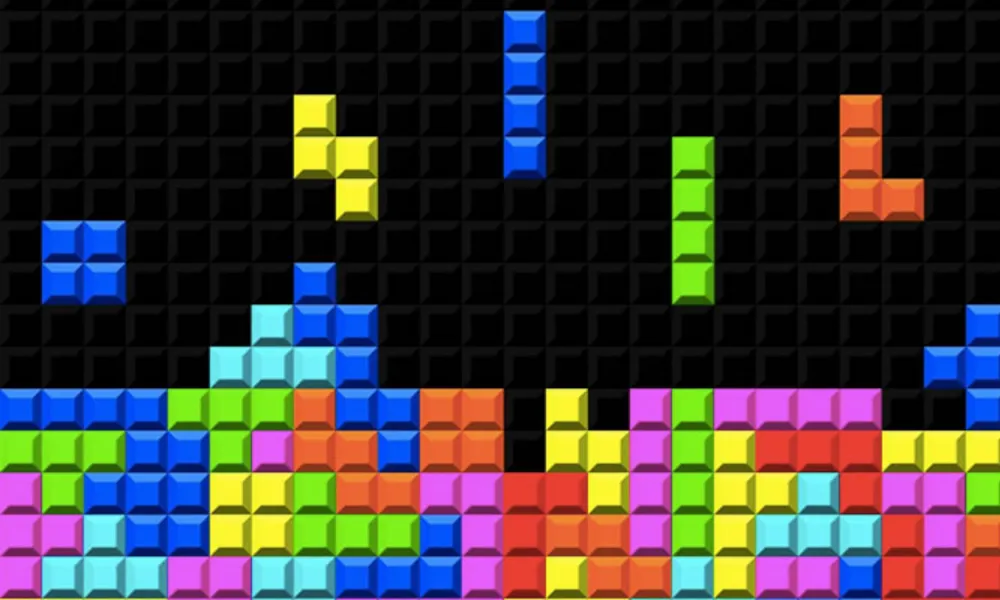

The Tetris Company has distanced itself from a controversial video game unveiled by the White House, saying it had not authorised the use of the Tetris trademark or copyrighted content.
A representative of The Tetris Company (TTC), which manages and licenses the popular Tetris brand, told Agence France-Presse (AFP) on Friday that the company had given no permission for its intellectual property to be used in the game.
The representative added that the company's legal team was reviewing the case.
“We take intellectual property infringement seriously,” The Tetris Company said in a post on X.
‘Build The Wall’ game appears on White House website
A video game titled “Build the Wall” was published on the White House website on Thursday.
The game challenges players to construct a wall to protect the border from “zombies”, with the accompanying message: “Protect the border from the approaching horde.”
Although the game does not specify a particular location, its title appears to echo a central slogan from Donald Trump's presidential campaign, which referred to building a wall along the US-Mexico border.
The game's use of falling blocks to construct the wall has also drawn comparisons with the mechanics and visual concept associated with Tetris.
The White House has not indicated that The Tetris Company was involved in the game's creation or received permission to use its intellectual property.
Criticism over immigration-themed games
The game was unveiled alongside another title on Thursday in which players take on the role of a character tasked with arresting and deporting undocumented migrants near the Rio Grande.
The two games have prompted strong criticism, particularly over their use of immigration and border security as themes for entertainment.
The Tetris Company said it was examining the matter, leaving open the possibility of further action over the alleged unauthorised use of its intellectual property.