
European Union member states remain deadlocked over the renewal of sanctions against individuals and entities linked to Russia after Latvia withheld support for a compromise proposal to remove Russian businessmen Alisher Usmanov and Mikhail Fridman from the sanctions list.
The dispute has prolonged a written procedure launched at EU Council level to approve the sanctions package.
Under the proposal discussed by the 27 member states, sanctions against Usmanov and Fridman would be lifted in exchange for renewing the broader sanctions regime covering around 3,000 individuals and entities for 36 months, rather than the customary six- or 12-month periods, in an effort to prevent future blockages.
The compromise had secured backing at the level of EU permanent representatives, allowing a written approval process to begin on the understanding that no member state would object.
However, Latvia opposed the removal of the two businessmen from the list on Monday evening.
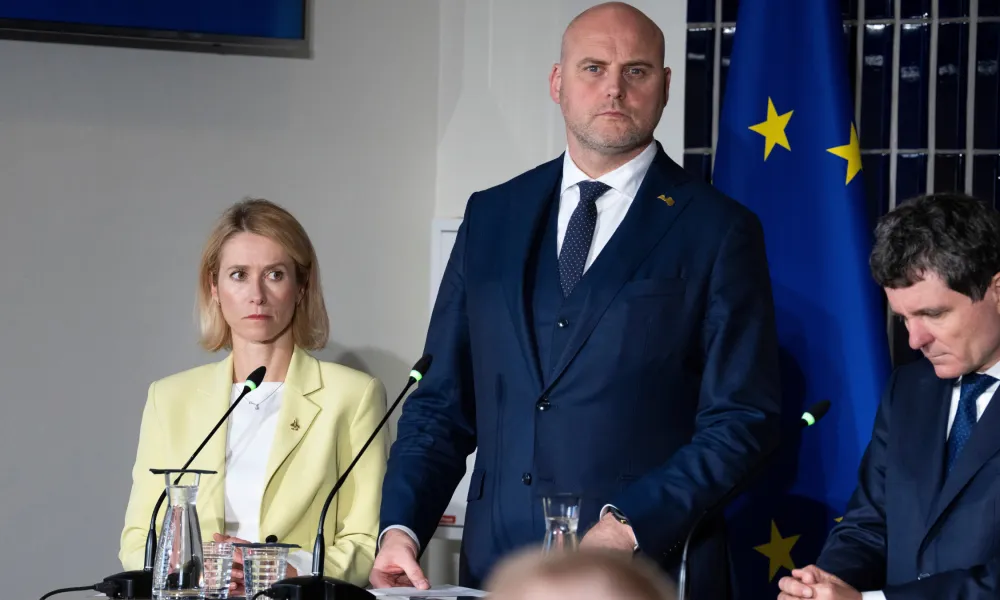
Prime Minister Andris Kulbergs said his country could not support lifting sanctions as the price for extending the sanctions regime.
"Extending the sanctions for 36 months would be the right step. However, the price cannot simply be the removal of both persons from the list," he said.
The impasse raises the prospect of a fresh meeting of EU ambassadors, as unanimous approval is required for the decision.
According to a European diplomat, the written procedure was extended until 1400 GMT while consultations continued. Coreper II, which brings together the permanent representatives of EU member states, could meet again later on Tuesday.
France-Slovakia pushing for removal
The case of Usmanov has been linked to a French initiative advocating his removal from the sanctions list. Diplomatic sources said France supported delisting him, while Slovakia has also requested his removal.
European diplomatic sources have linked the French position to the case of French nationals detained in Azerbaijan, although Paris has not publicly confirmed any connection between the two issues.
Fridman's case has a separate legal dimension. In April 2024, the EU General Court annulled the Russian businessman's original designation under sanctions for the period from February 2022 to March 2023, ruling that the reasons cited by the Council were insufficient for that period.
The ruling did not automatically lift subsequent sanctions measures, which remained in force.
Latvia intervened in support of the Council during the Fridman case and appealed the General Court's ruling in 2024. In its appeal, it argued, among other things, that the court had failed to assess the evidence sufficiently within its broader context and challenged the application of the relevant sanctions criteria.
Usmanov and Fridman have been subject to EU sanctions since 2022. In Usmanov's case, the Council cited, among other factors, his "particularly close ties" to Russian President Vladimir Putin.
Source: CNA