
Every election produces winners and losers. Yet some outcomes are lost behind the celebrations, the percentages and the seat counts, even though they may be the most troubling of all.
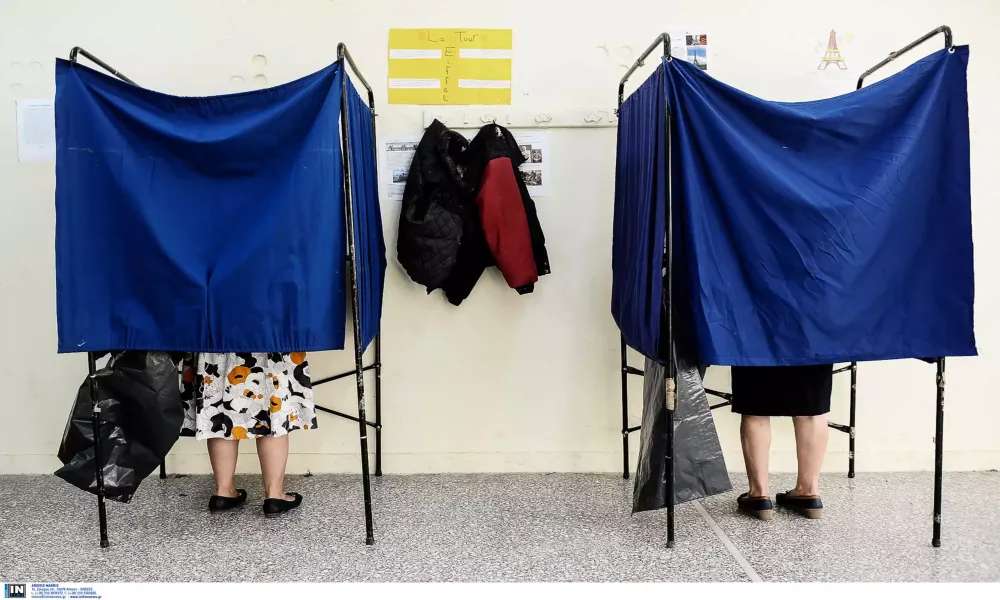
In this year’s parliamentary elections, 19 parties contested the vote, but only six secured entry to the House. Thirteen parties were left outside parliament, despite collectively attracting about 17% of the vote. Put simply, tens of thousands of citizens went to the polls, made a political choice, but saw that choice fail to translate into parliamentary representation. The question is unavoidable: who represents these voters?
Under a system of strict proportional representation, the composition of the House would look very different. More political voices would be present, possibly even six additional parties. Critics argue that such an outcome would lead to instability, fragmentation and ungovernability. That concern is not without merit. Yet there is an equally important counter-reading: when a substantial part of society sees its vote effectively disappear into a void, frustration with the political system itself deepens.
The most worrying aspect, however, is not limited to those who voted for parties that failed to cross the threshold. It also includes those who did not participate at all or who chose to cast a blank ballot. When abstention and conscious disengagement from the ballot box are taken into account, roughly 42% of citizens are left without meaningful parliamentary representation. This is a figure that cannot be ignored or dismissed as mere political apathy.
It may reflect distrust towards political parties, alienation from the political process, a sense that “nothing changes”, or even a deliberate rejection of the available political spectrum. Whatever the mix of reasons, these are warning signs for any democracy.
Democracy is not judged solely by whether elections are held or whether a parliament is formed. It is also measured by how many citizens feel they genuinely have a place within the system. When almost half of society finds itself, for different reasons, outside that circle, the problem is not just numerical. It is deeply political.