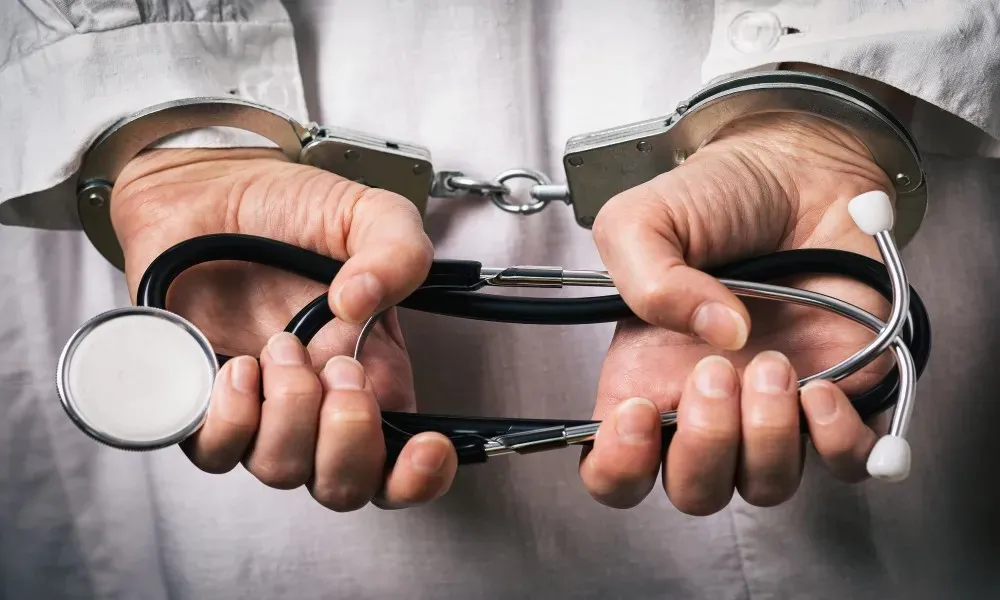

"Who is it? Why won't you tell us? Are you protecting murderers?"
Those were among the reactions beneath a report on allegations against a gynaecologist. The last accusation is particularly troubling. Not because the public's desire for answers is difficult to understand, but because labelling someone a "murderer" amounts to a conviction. Neither journalists nor newspapers have the authority to convict individuals through headlines and social media comments.
The same question has arisen in another case involving a medical centre accused of offering controversial plasmapheresis treatments.
"Why don't you name it? People have a right to know."
Citizens do indeed have a right to information. Journalism, however, is not a people's court. Its role is to investigate, verify facts, expose issues of public interest and demand answers. Publishing a name is not an objective in itself. It requires evidence, careful consideration of the public interest and respect for the presumption of innocence.
Protecting all sides
Behind every allegation are multiple people affected.
There are the families of those accused. There are also the women who found the courage to describe their experiences, those who turned to the courts, and relatives seeking answers about loved ones they have lost.
Journalists have a responsibility to protect witnesses, complainants and the integrity of legal proceedings. Serious allegations should not be allowed to dissolve into online vigilantism.
Reporting serves another purpose as well: ensuring that others who may have had similar experiences understand they are not alone. It can encourage people to come forward, file complaints and seek justice.
That only works, however, if institutions are willing and able to respond effectively rather than forcing complainants into years of waiting, expense and emotional strain.
Where responsibility lies
The central question is not whether a newspaper publishes a name.
If a doctor's name were publicly disclosed tomorrow, who would suspend a medical licence, assuming the legal conditions were met? Who would review medical procedures, examine patient files or scrutinise payments made through the General Healthcare System?
The answer is not the media.
Those responsibilities belong to regulators, professional bodies and state authorities. The real question is why the same public pressure is not always directed at the institutions responsible for acting when complaints are lodged.
Questions beyond individual cases
In the gynaecologist case, legal action and complaints were reportedly filed as early as 2024, while the first court proceedings are expected to begin in mid-2027.
That does not prove medical negligence, nor does it prove that later incidents could necessarily have been prevented.
But it does raise a legitimate question: what actions were taken by those who received the complaints?
Similar concerns have resurfaced regarding plasmapheresis treatments. Cyprus faced international scrutiny as far back as 2022 over reports of expensive and scientifically disputed treatments for long COVID. Complaints, inspections and reports of serious complications followed.
Yet four years later, many of the same questions remain.
The cases themselves are different, but concerns about oversight and enforcement persist.
The issue is patient protection
What is needed is not punishment without evidence.
What is needed is timely investigations, clear answers, risk assessments and intervention where justified. Where legal tools are missing, they should be created. Where powers already exist, they should be exercised.
Patients enter medical facilities seeking care and protection. They should not later find themselves fighting alone to be heard.
The debate should therefore move beyond demands to "name the doctor".
The more important question is not who will identify an accused professional.
It is who will protect the next patient.