
Cyber threats are no longer an abstract technological risk, nor are they limited to data theft and computer breaches. They can affect food security, business operations, supply chains and, ultimately, the daily lives of citizens.
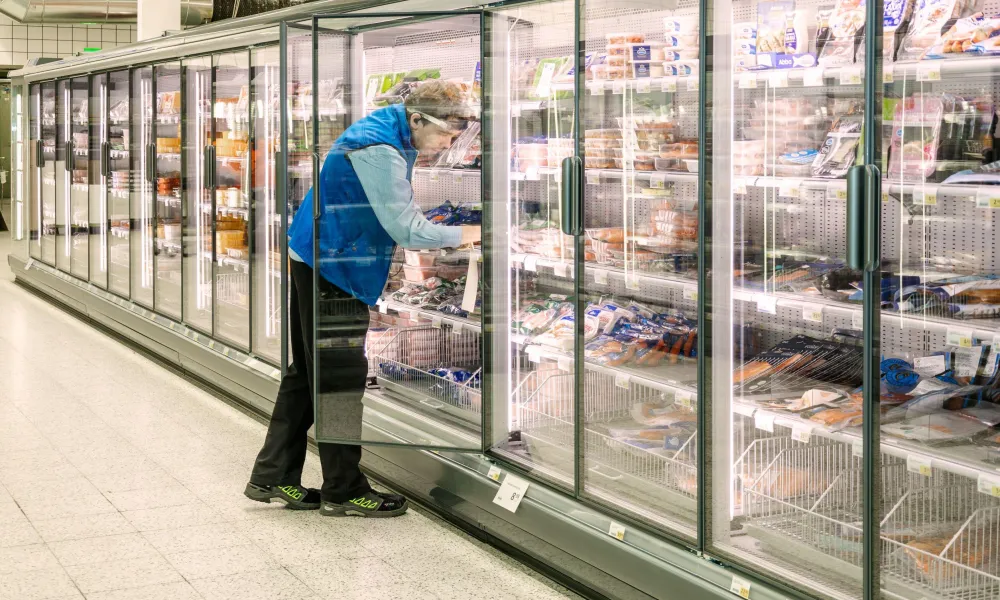
Recent incidents involving European supermarket chains, where interference with refrigeration systems caused operational disruptions and financial losses, serve as a warning that Cyprus cannot afford to ignore.
So far, no similar complaints have been recorded in Cyprus, according to extensive reporting by Politis. However, that should not be viewed as a guarantee of safety. On the contrary, the growing use of remotely controlled systems in both businesses and households is increasing potential vulnerabilities.
From supermarket refrigeration units to security cameras, air-conditioning systems and smart home devices, digital connectivity creates convenience but also introduces risks.
The challenge cannot be addressed by expecting every business to protect its infrastructure independently. Cyprus' national cybersecurity strategy must be continually updated and, most importantly, households and businesses must be properly informed.
Clear procedures for reporting cyberattacks are also needed, together with effective cooperation between the public and private sectors.
Support for small and medium-sized enterprises is equally important. Cybersecurity should not be viewed as an additional operating expense but as an investment in business continuity.
The cost of a cyberattack can far exceed the cost of prevention, particularly when products, customers and critical operations are affected.
Finally, cybersecurity begins with individual citizens. Keeping software updated, using strong passwords and exercising caution when using applications remain essential lines of defence.
The digital transition cannot succeed without trust and resilience.
For Cyprus, a national digital-security strategy should not be left solely to specialists. Public communication and awareness are essential.
Households and businesses must have confidence in the authorities, and confidence is built through information.