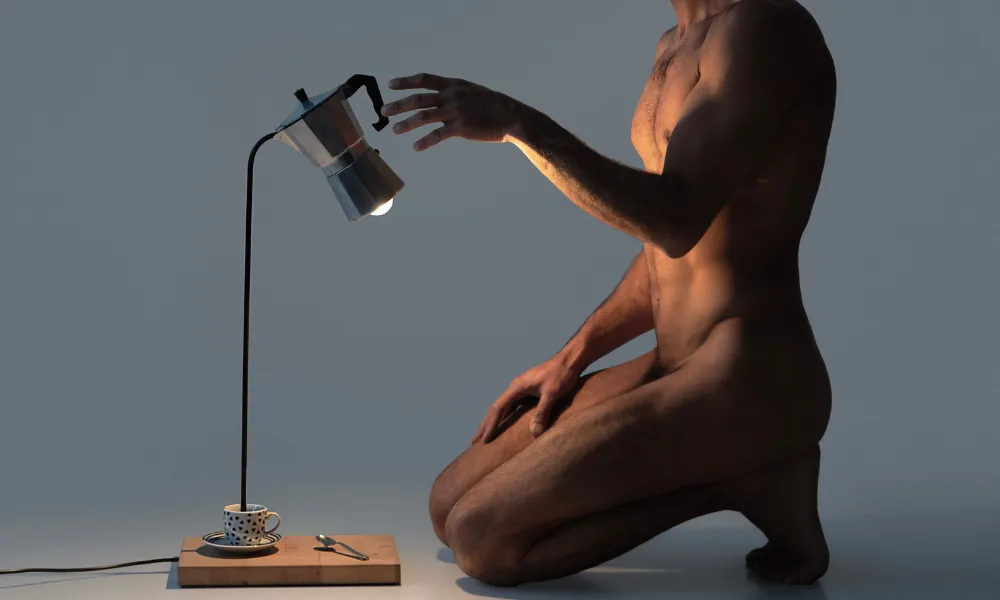
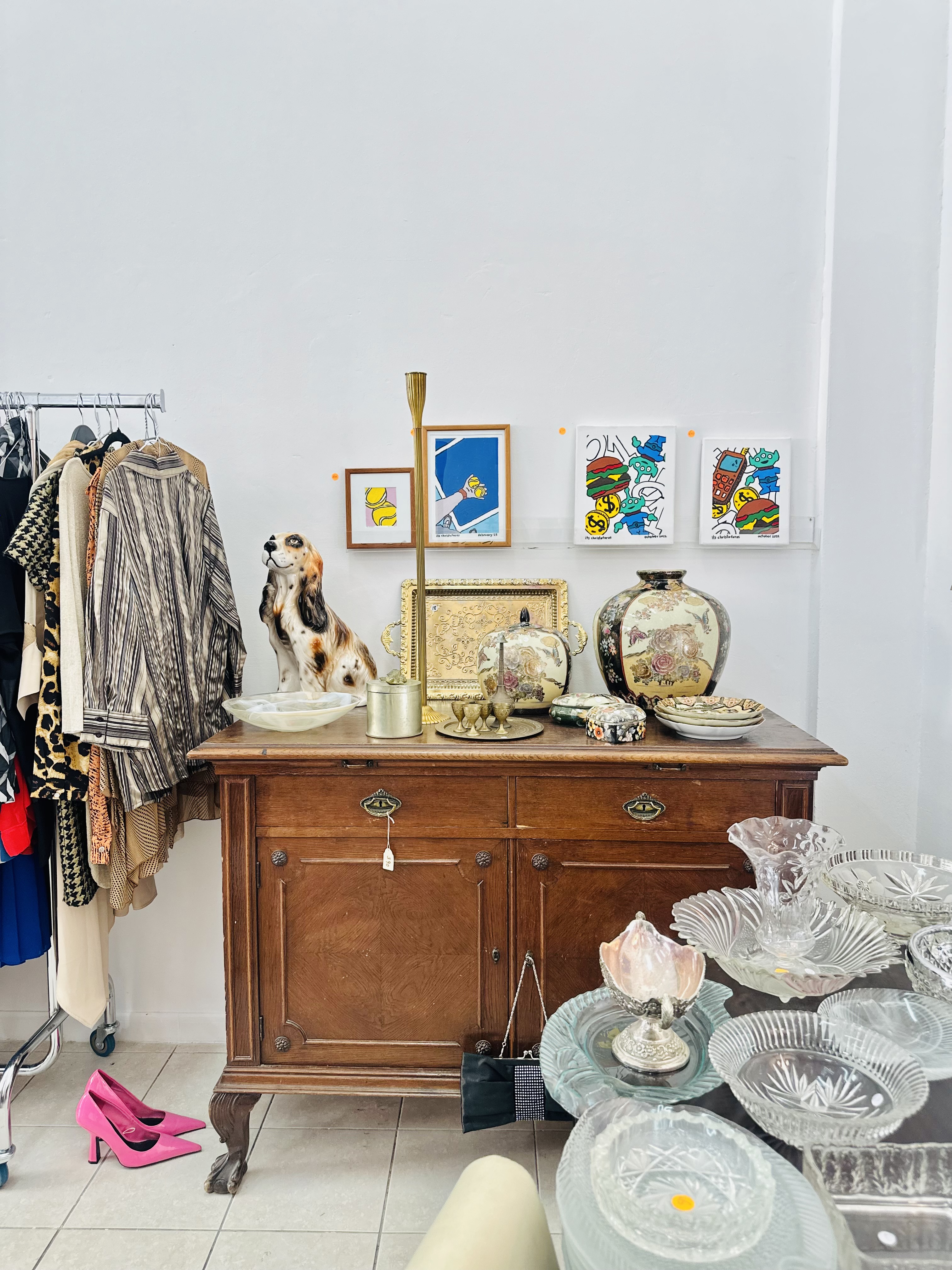
For nearly two decades, Harris Kyprianou collected quietly and consistently. Garments, art, jewellery, objects for the home. Pieces chosen for texture, form and emotional charge rather than resale value. What began as a private archive has evolved into Finders Keepers, a recurring pop-up built on a distinct point of view.
Today, the project brings together rare vintage clothing, art, jewellery and considered everyday objects. The categories vary. The eye remains constant.
The archive that became a platform
Finders Keepers, Kyprianou explains, was never conceived as a business plan. It emerged from instinct.
“It’s a curated world shaped by instinct, memory and a long-standing fascination with beautiful things,” he says. “Today, it exists as a refined edit of rare vintage clothing, art, jewellery and considered everyday objects, all brought together through a distinct point of view rather than a single category.”
The foundations go back 18 to 20 years. He has always collected. Pieces for the home. Garments. Art. Anything that felt visually strong or emotionally resonant.
“As a photographer, I was constantly drawn to objects and clothing with character, often incorporating them into my productions and photo shoots. I’ve always been attentive to texture, form and mood. If I found something special in a market or a small vintage shop in Europe and I could bring it home, I would.”
Over time, the collecting became an archive. Eventually, space ran out. That practical constraint became the conceptual turning point.
“I realised this private passion could be shared. Finders Keepers grew from the desire to open up that archive, to let these beautiful pieces continue their lives elsewhere, and to transform a deeply personal hobby into something sustainable.”
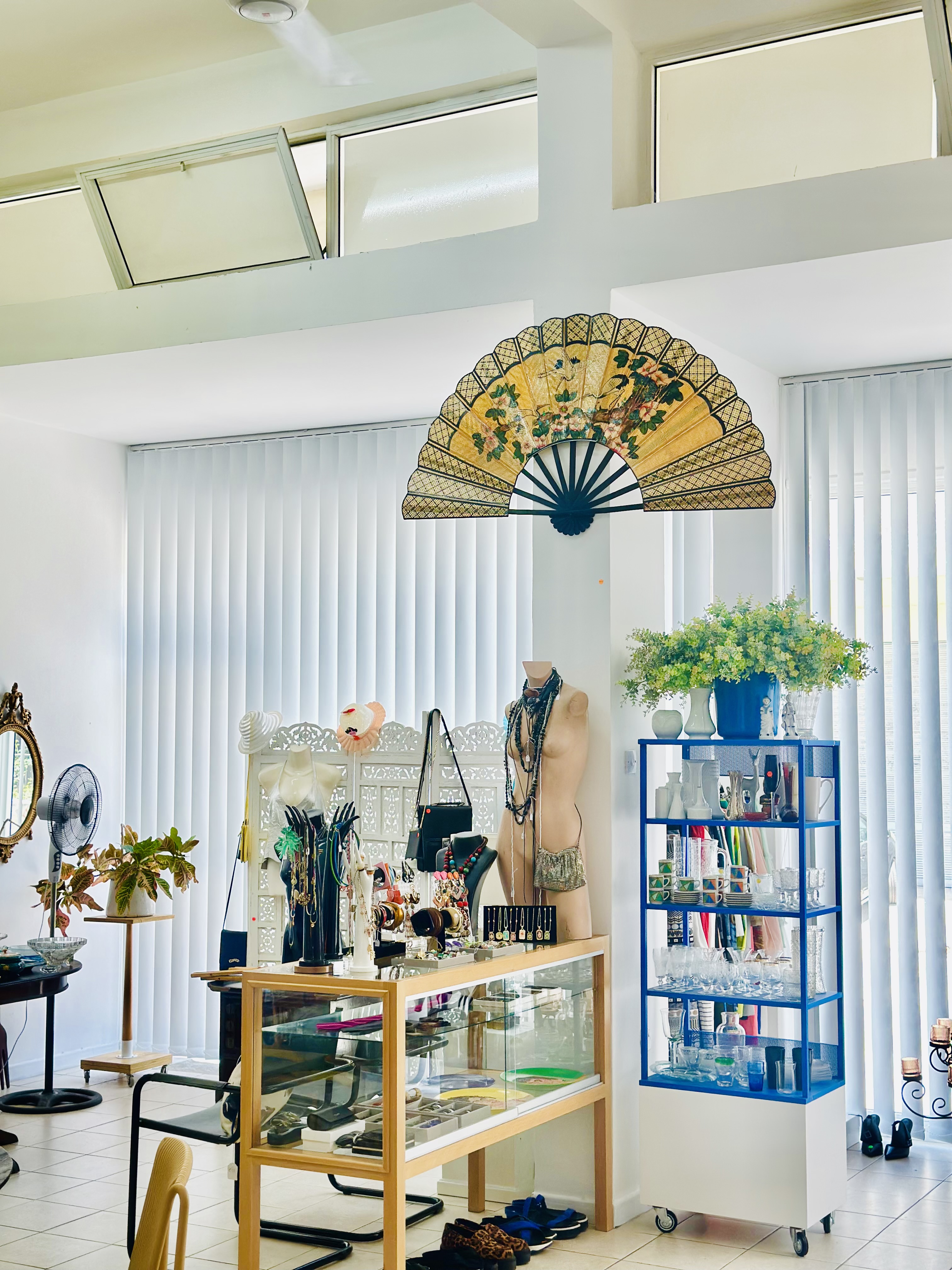
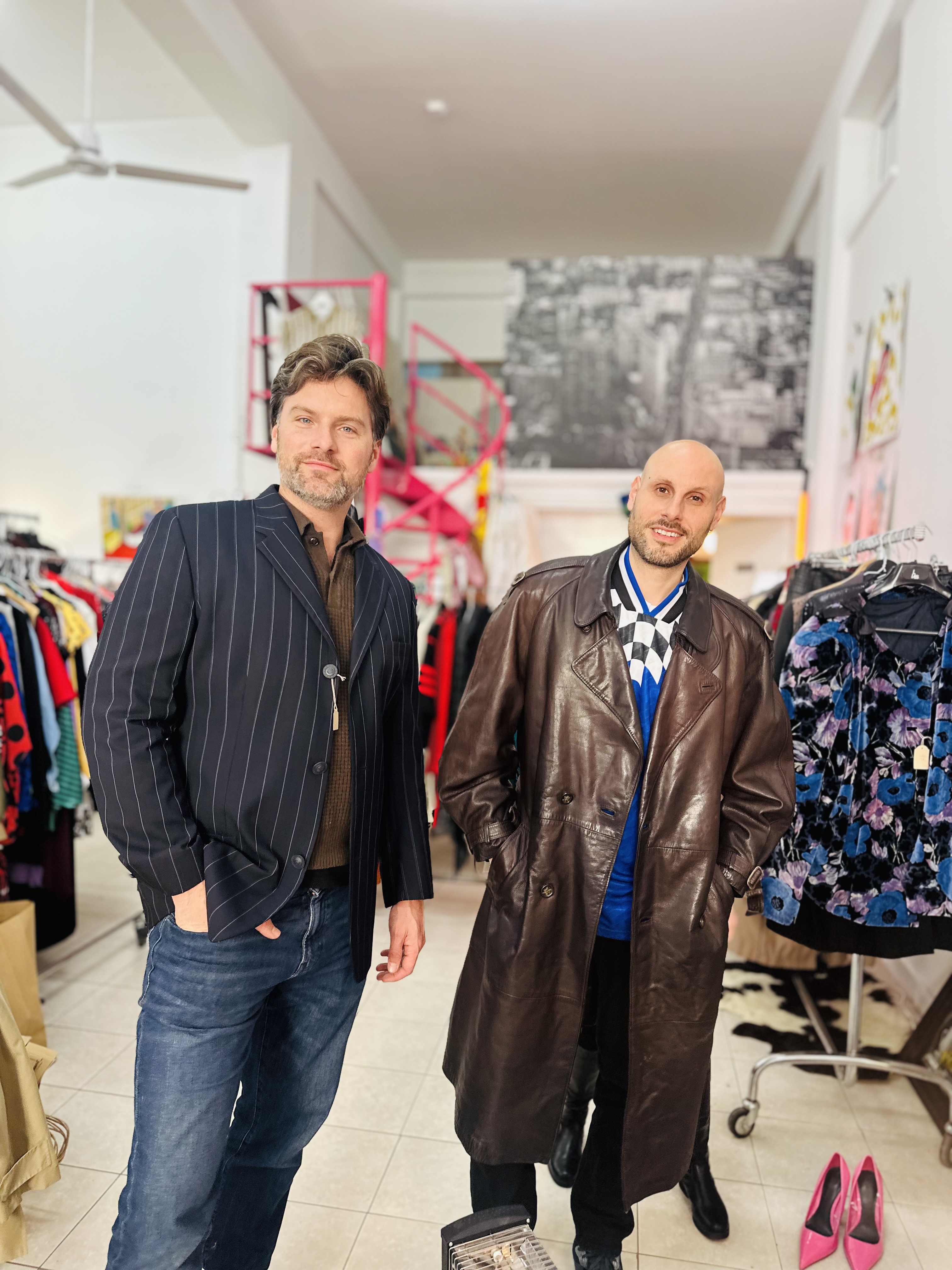
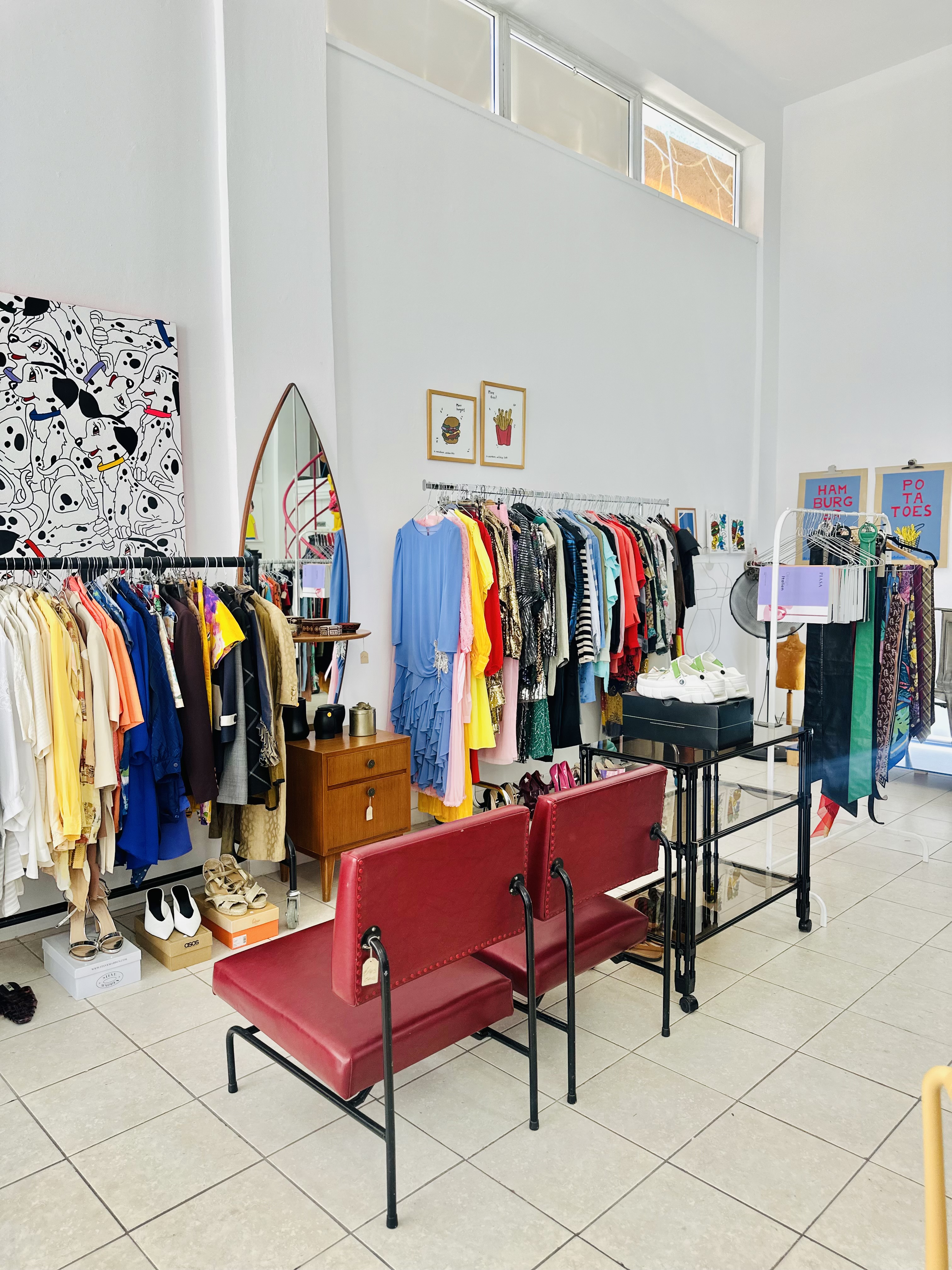
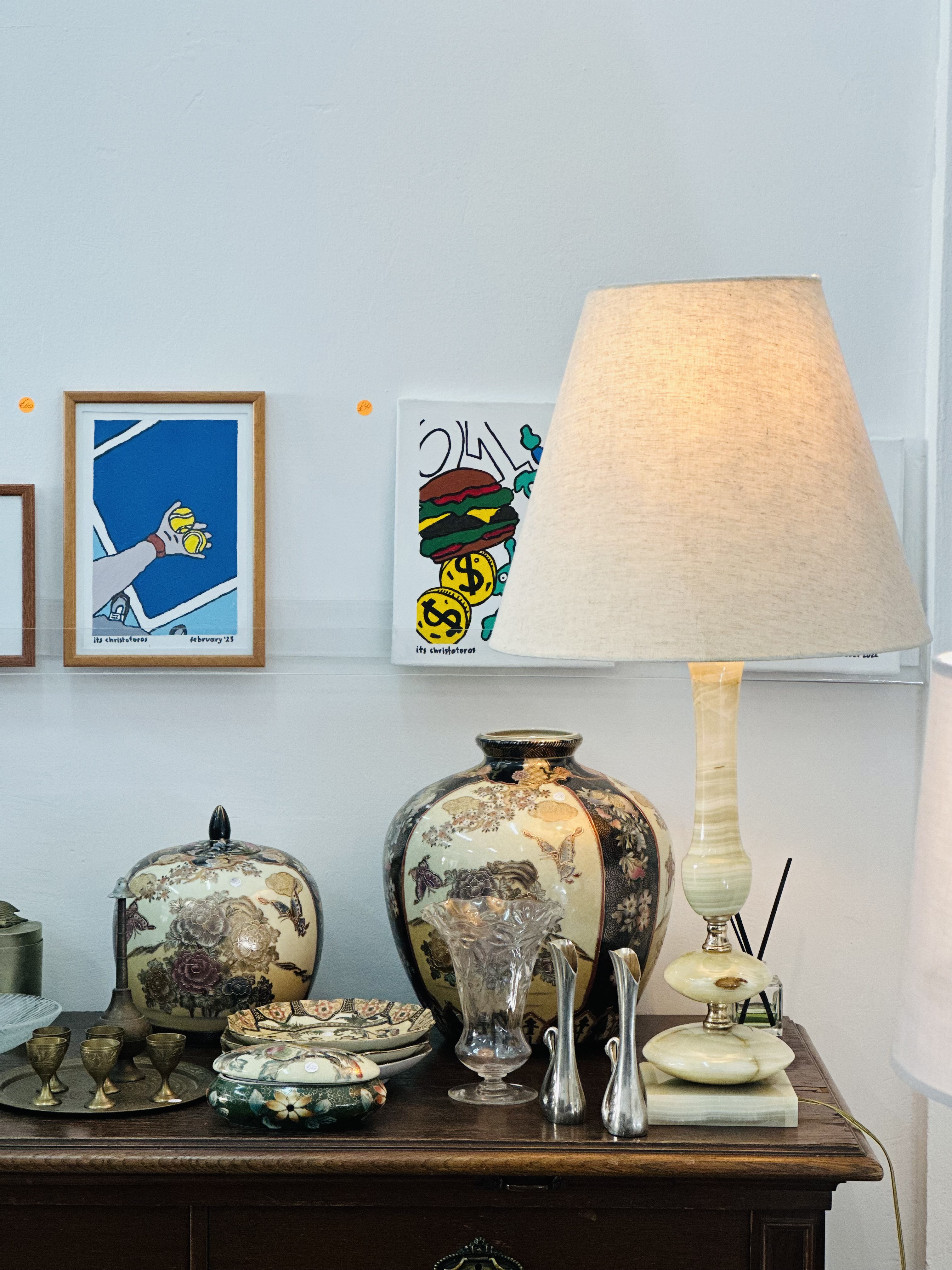
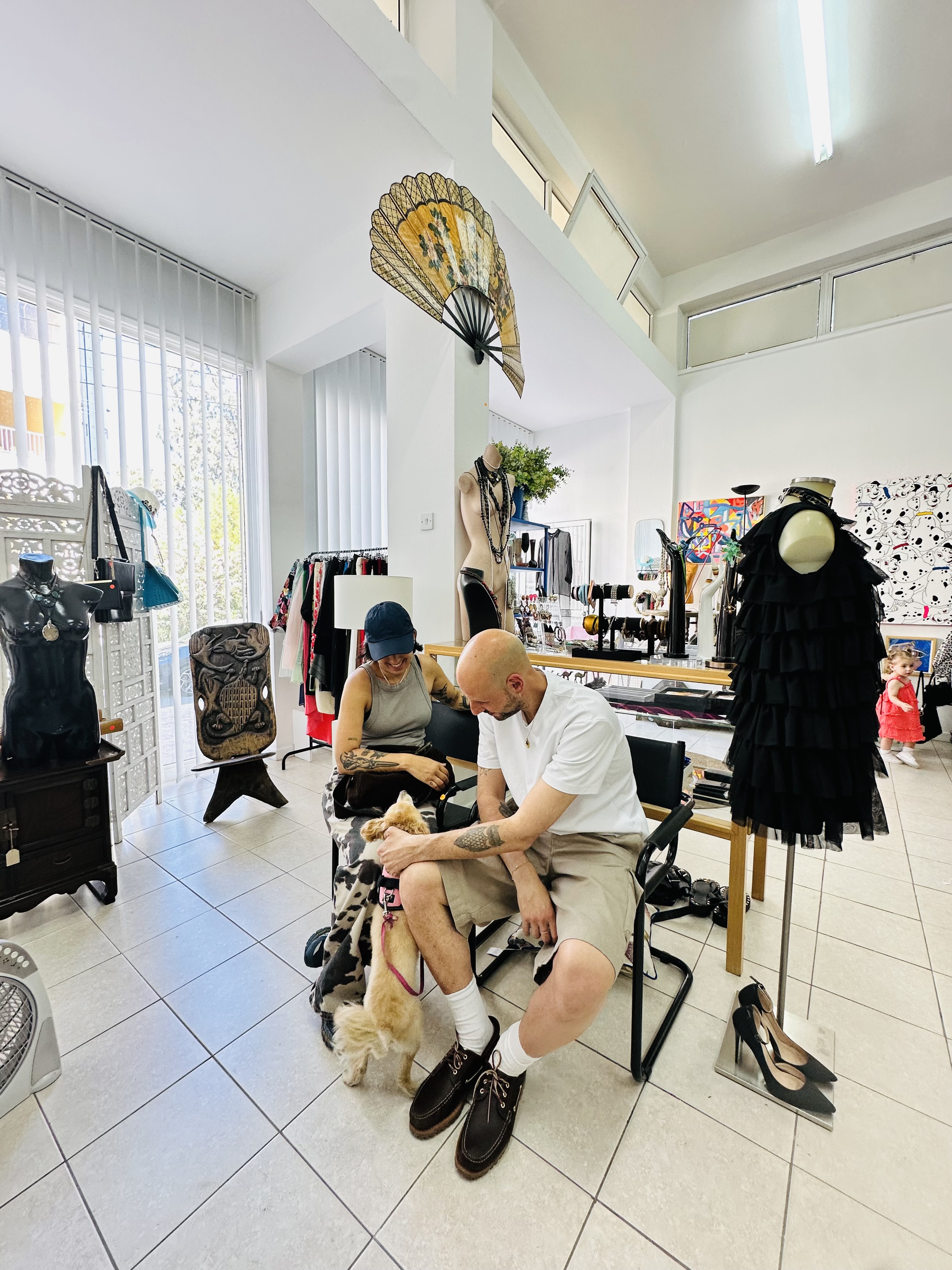
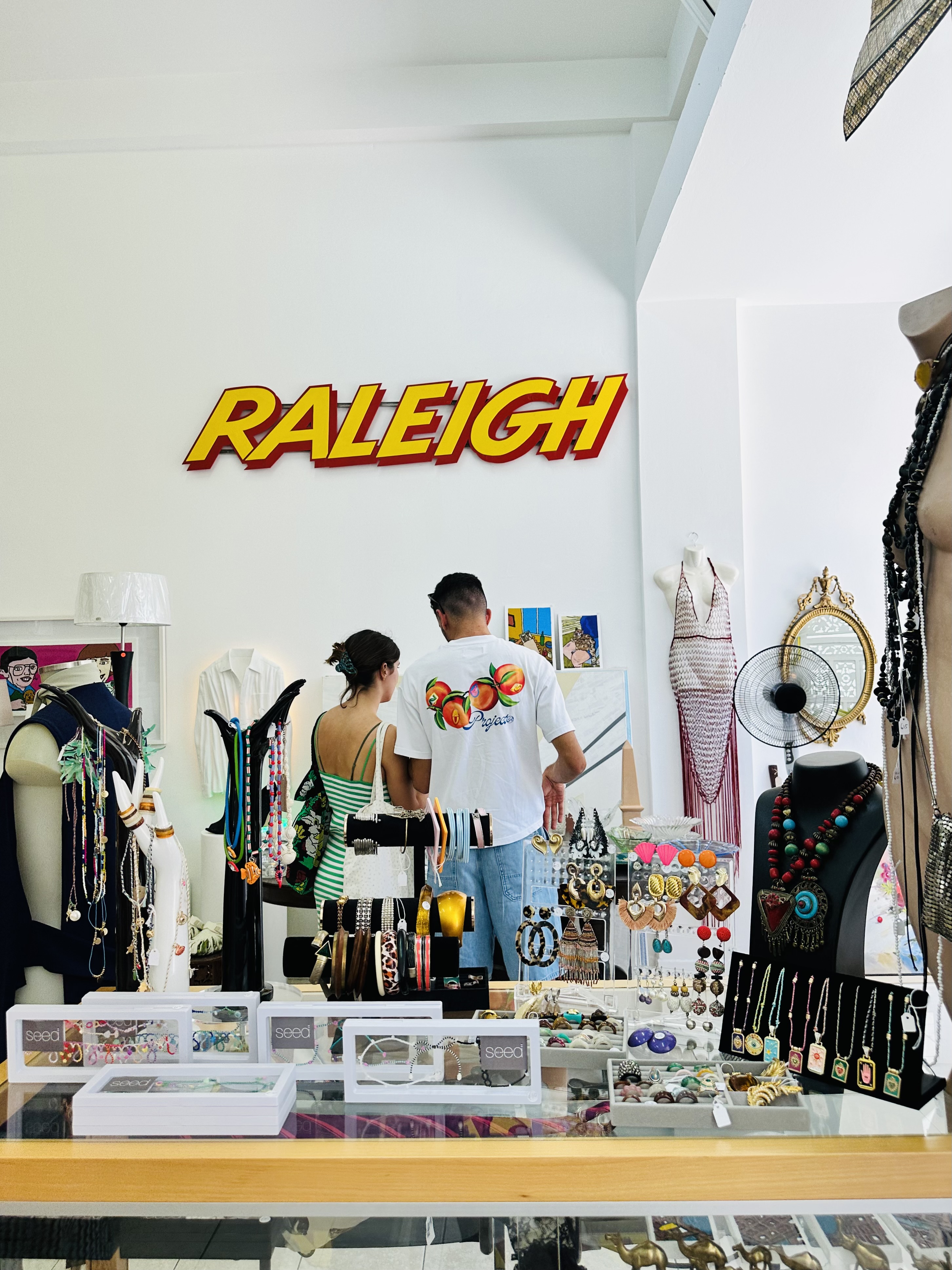
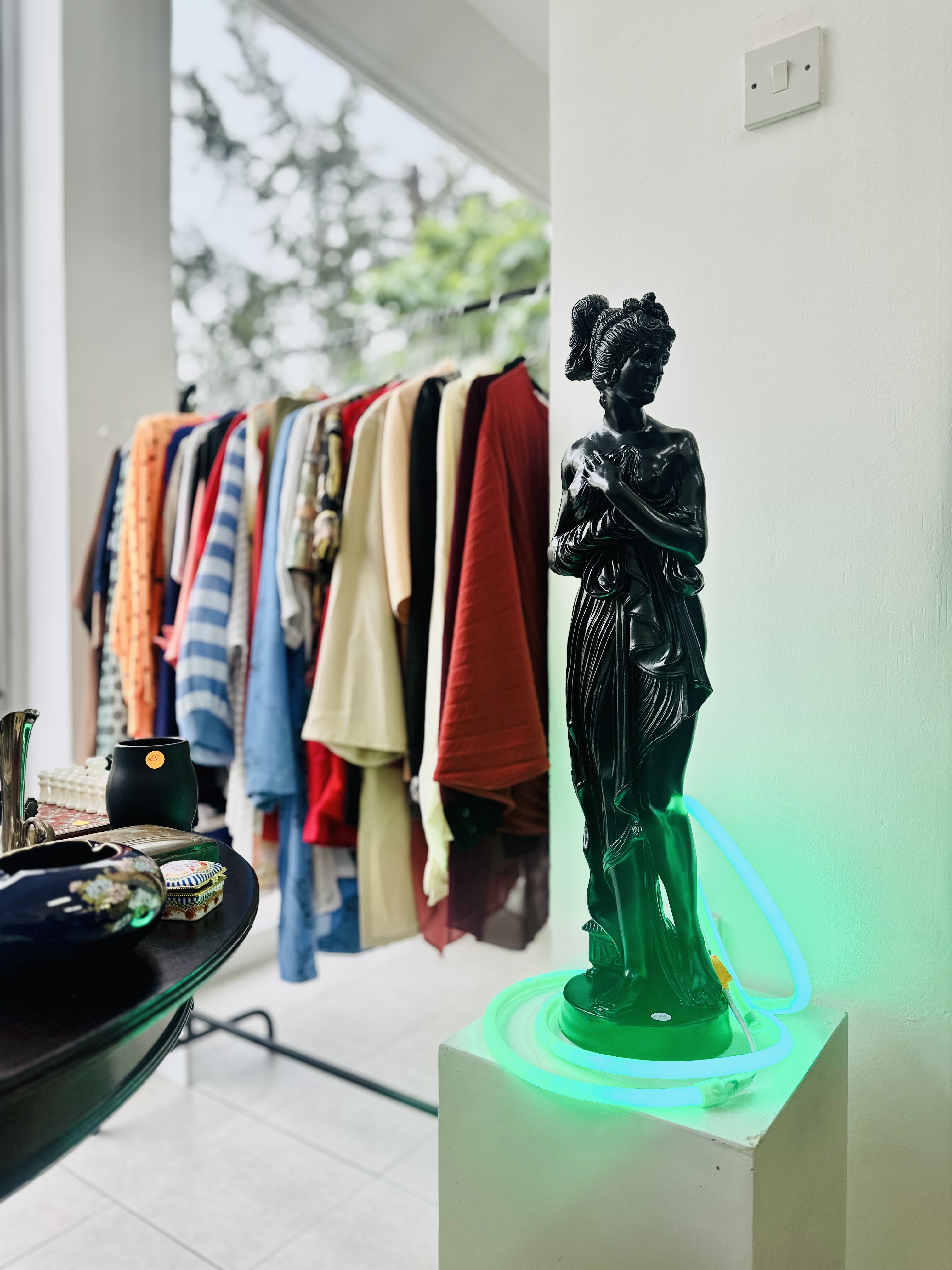
What began as instinctive collecting evolved into thoughtful curation. The impulse, however, remained unchanged: to seek out beauty, preserve it and pass it on.
When repetition becomes rhythm
The moment he understood this was no longer a one-off came gradually. “It shifted when people began returning with intention,” he explains. “Not just to shop, but to see what I’d unearthed next, what dress, what coat, what piece of art, what unexpected furniture or decorative items had made it into the edit.”
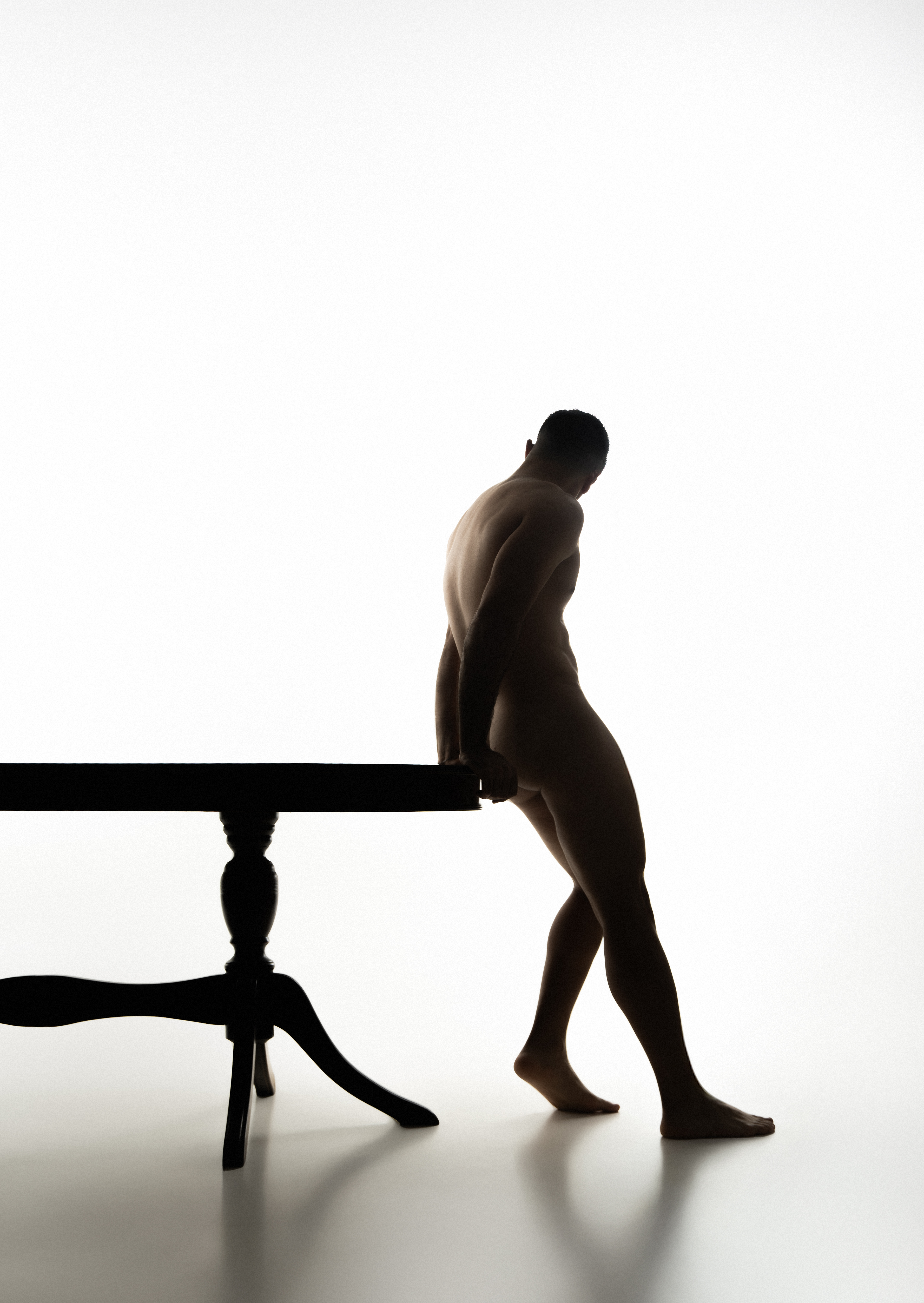
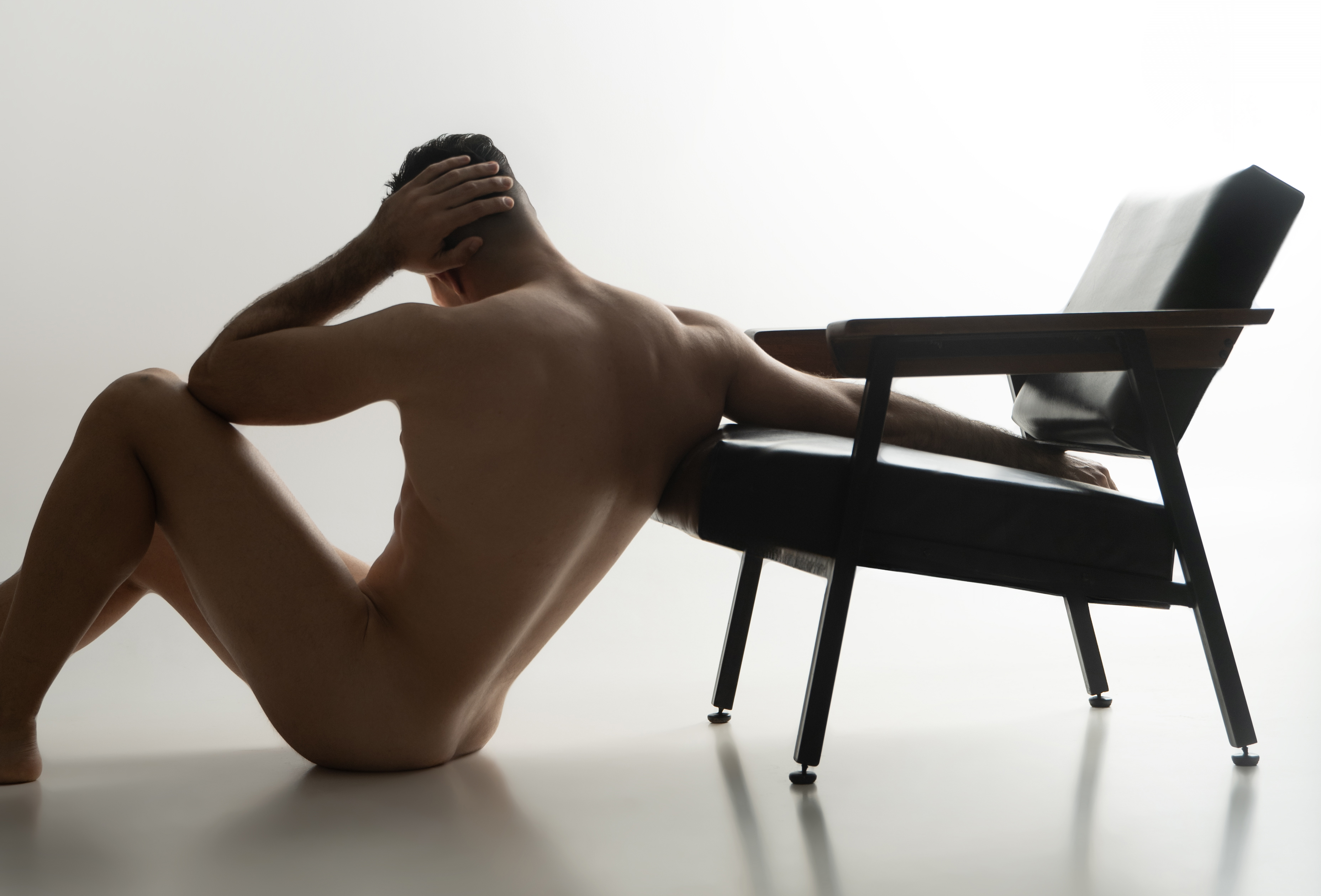
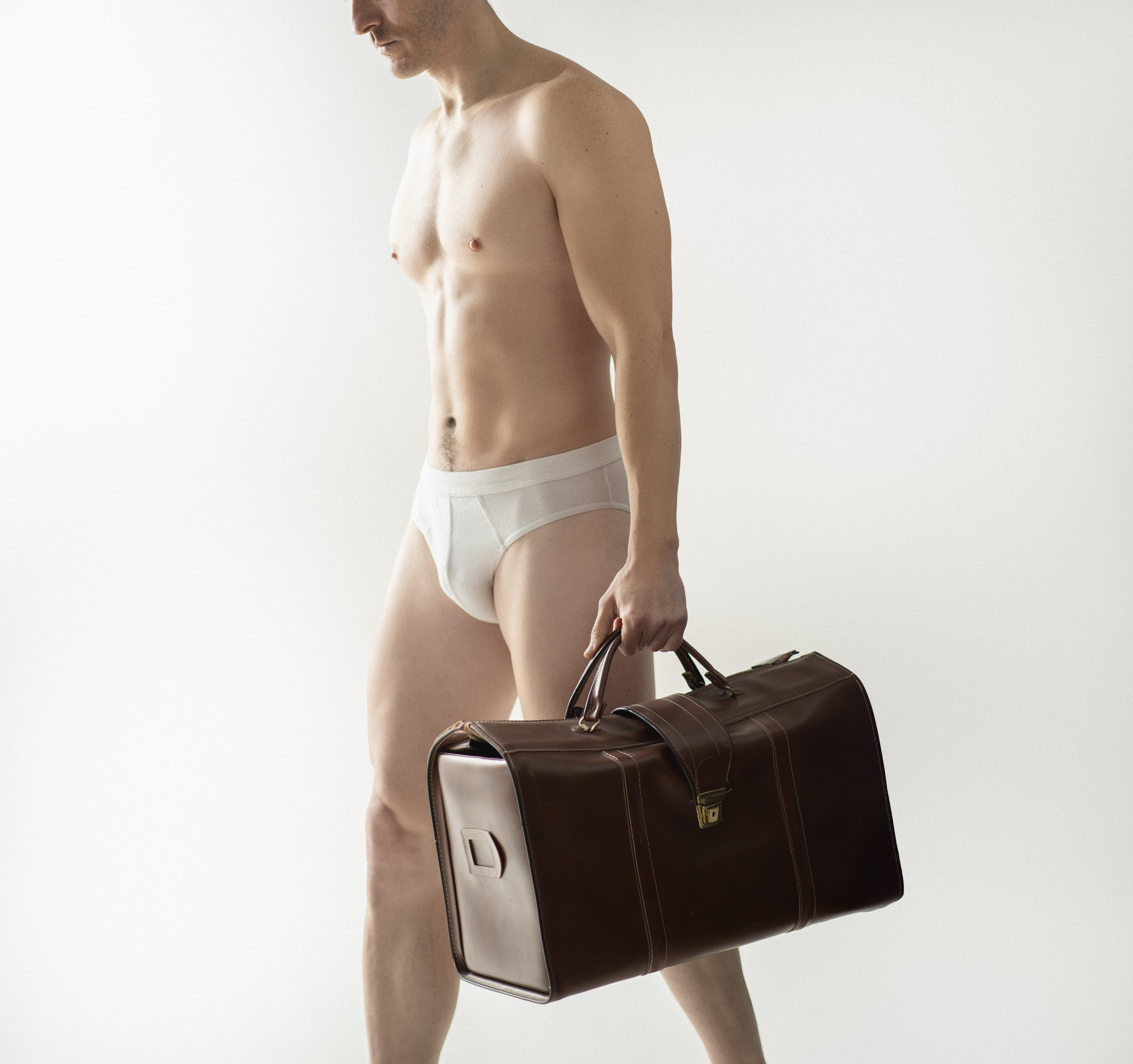
Conversations resumed mid-thought from previous visits. Weekends were planned around the opening hours.
“When conversations started picking up where they’d left off and people began planning their weekends around it, I realised Finders Keepers wasn’t a one-off pop-up. It had become something cyclical, something people anticipated.”
Dialogue rather than transaction
The distinction between selling and curating is central to his approach. “The shift happens when I start thinking about dialogue rather than transaction,” he says.
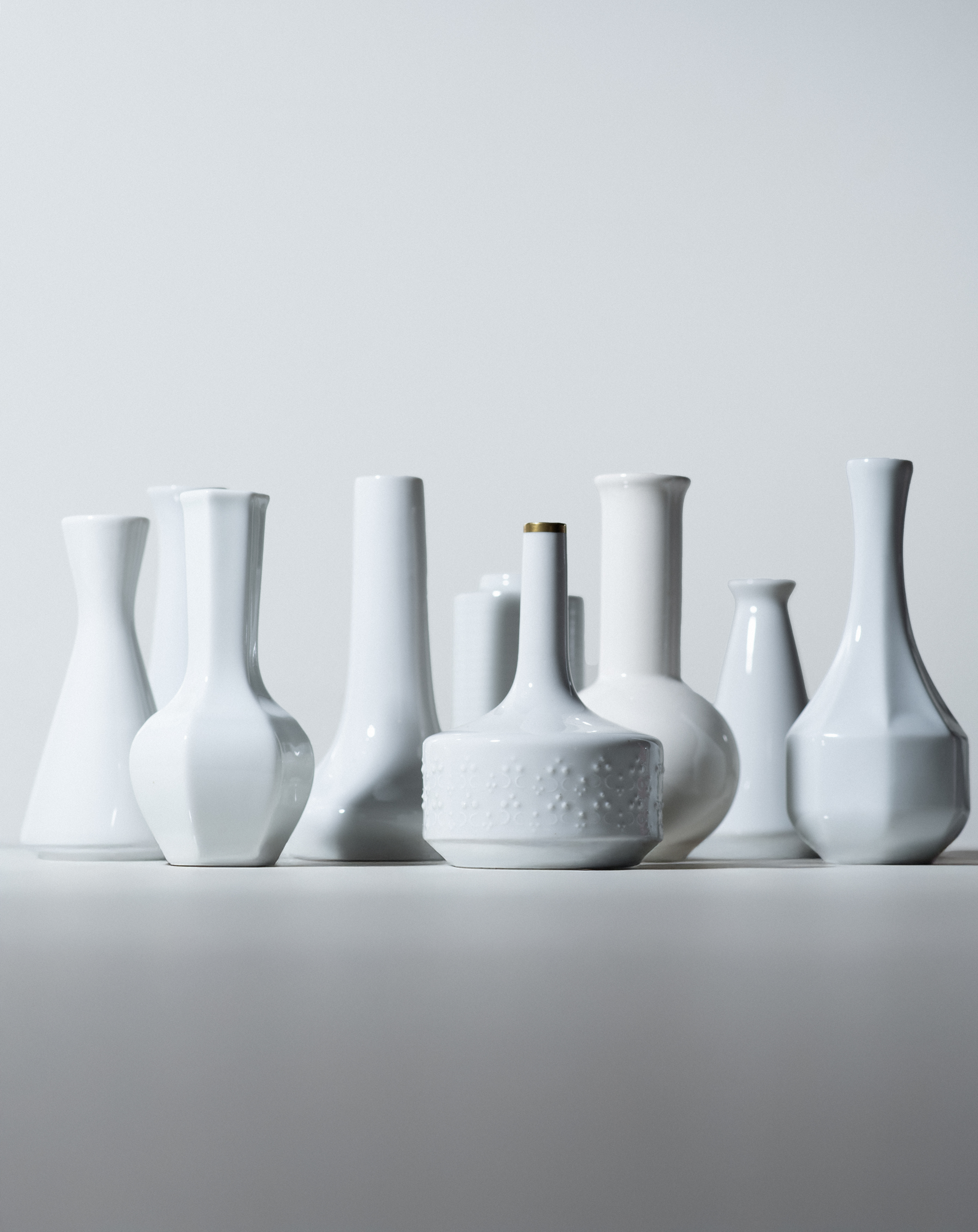
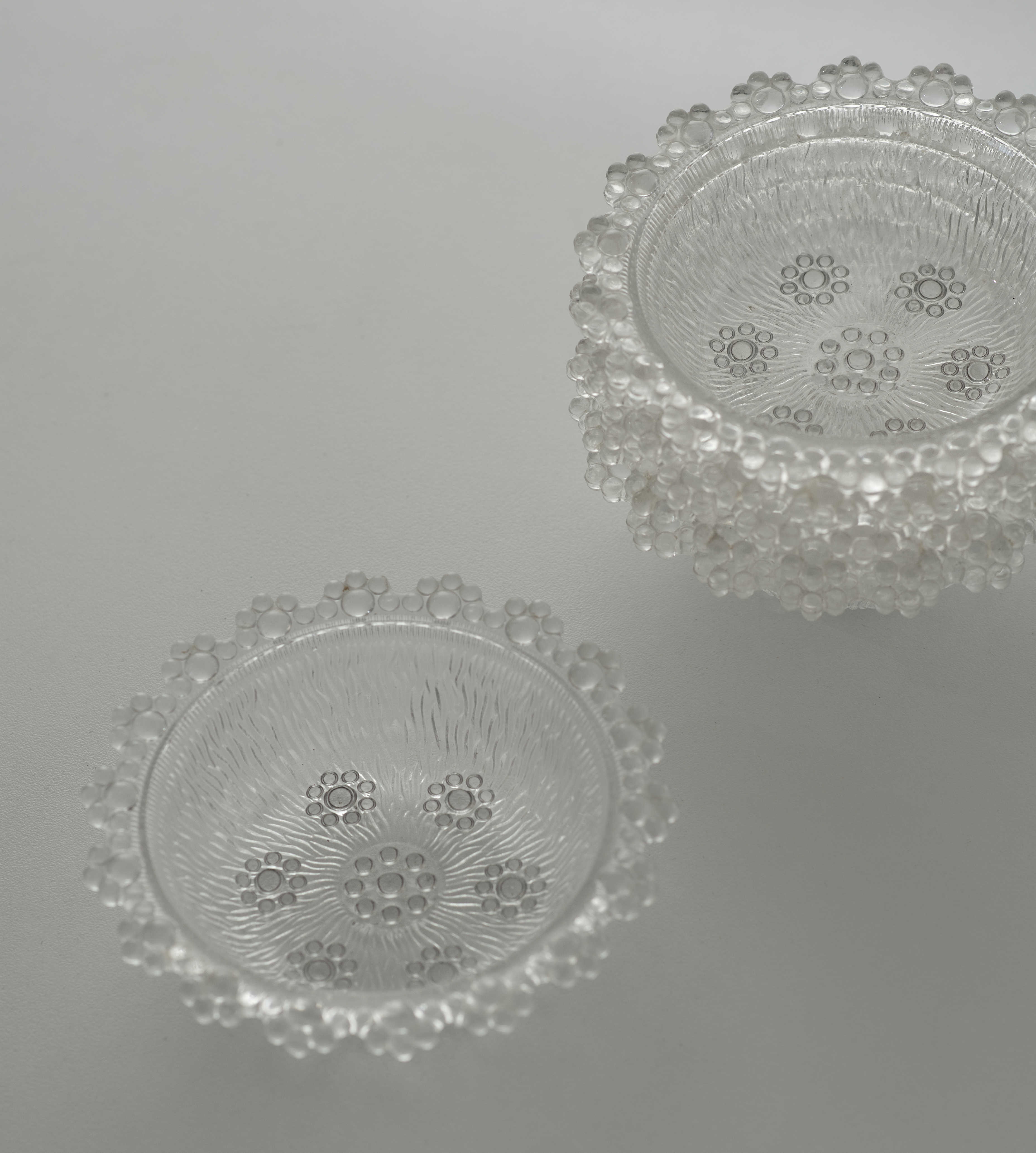
Whether it is a rare vintage blouse, a dramatic cape, a precisely cut coat, a piece of art, a delicate vintage ring or an everyday object elevated by form, he considers how it speaks to everything else in the space.
“Curating is about tension, balance, mood and narrative. Selling is about price. Curating is about point of view.”
The irrational favourites
Some pieces defy commercial logic yet remain irresistible. “I’m deeply drawn to rare wearable pieces with presence, vintage dresses, blouses, coats, capes that feel cinematic, and garments that carry either the softness of being pre-loved or the quiet thrill of still having their original tags attached. That contrast fascinates me.”
The same attraction extends to bold vintage jewellery and art that feels slightly disruptive. “They’re not always the easiest pieces, but they’re the ones that create energy in a room.”
The emotional before the logical
Asked whether visitors come to buy or to feel first, he is unequivocal. “I think they come to feel something first.”
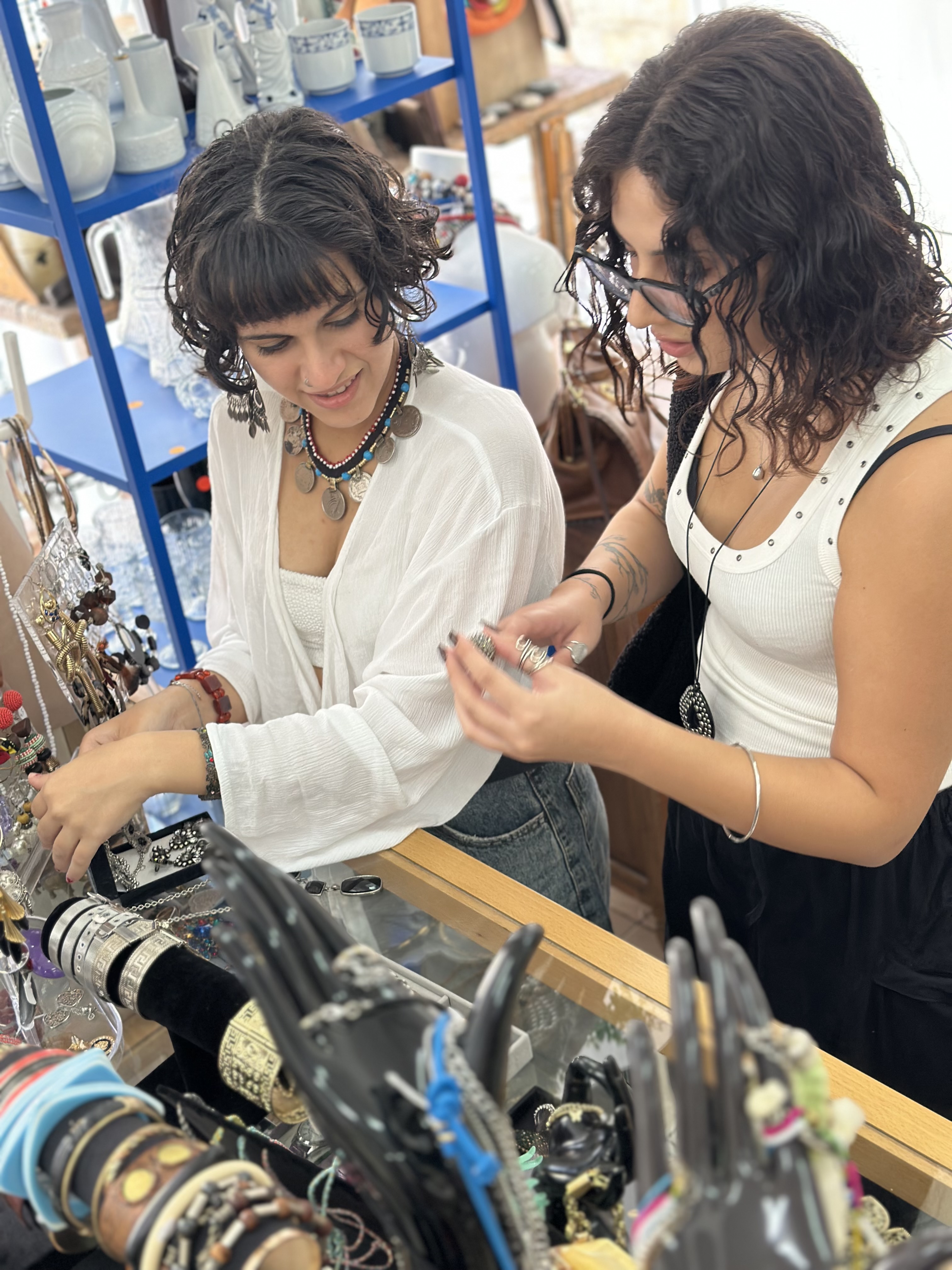
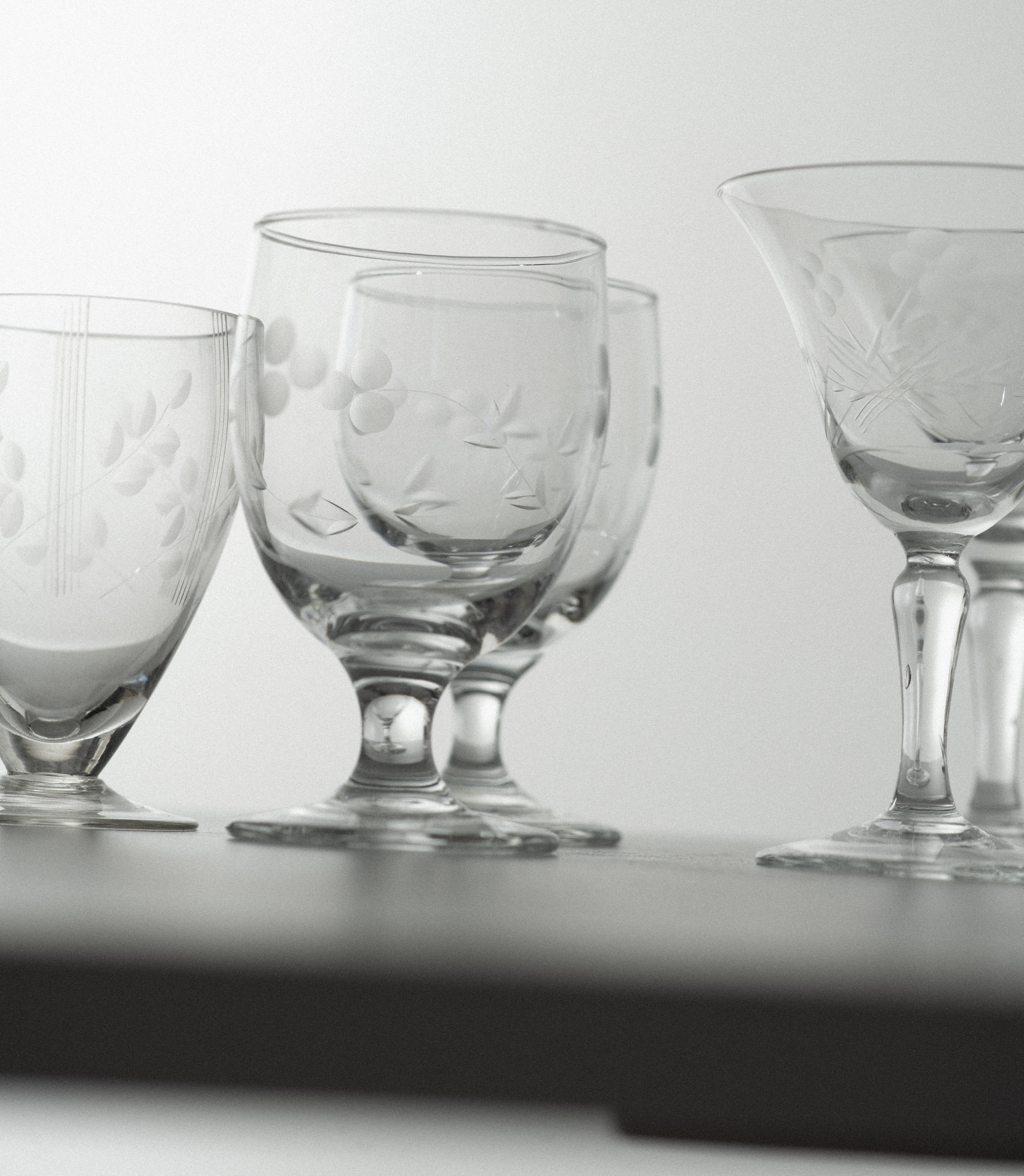
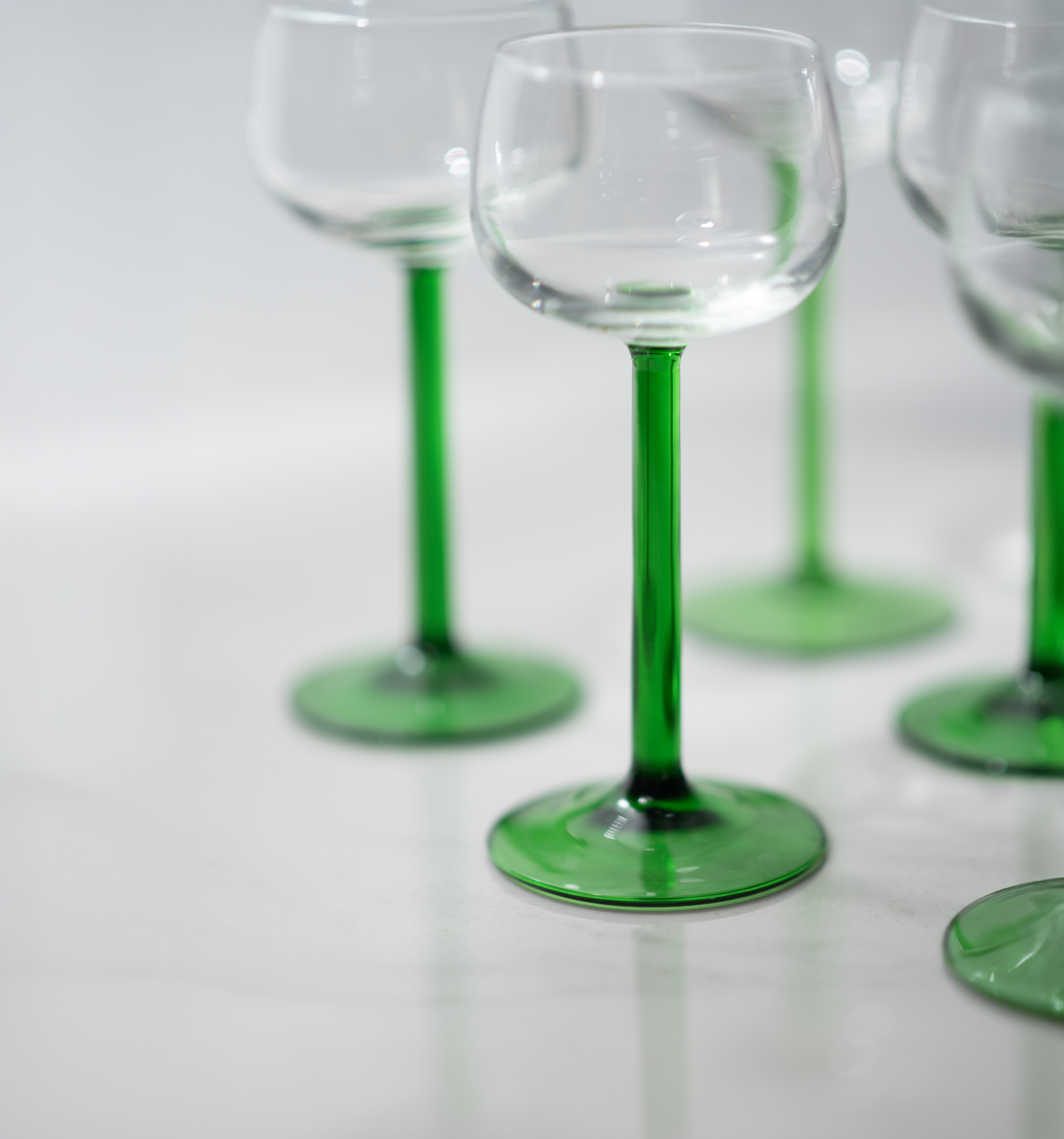
He describes a visible shift when someone tries on a rare coat or dress. Posture changes. Expression alters. A piece of jewellery suddenly appears inevitable. “Even everyday objects can do that, a perfectly weighted glass, a lamp, a ceramic bowl. The emotional connection happens before the logic catches up. The purchase just formalises the feeling.”
A stricter and braver eye
As the pop-up has become more consistent, his selection process has tightened. “Yes, my eye has changed. I’m more disciplined and more instinctive at the same time. I edit harder. I pass on more.”
At the same time, he allows himself to be bolder. “I’m braver about including pieces that feel rare or slightly unexpected, whether that’s an architectural dress, a sharply tailored coat, an intricate piece of antique furniture, or an artwork that demands space.”
Speed of sale is no longer the primary concern. “I’m less concerned with speed of sale and more concerned with integrity. Everything has to feel aligned with the world Finders Keepers is building.”
Material and memory
The most unexpected reactions are rarely about aesthetics alone. “The emotional responses are always the most unexpected,” he says. Someone once held a piece of vintage jewellery and became quiet because it mirrored something their mother had worn decades earlier. Another tried on a long coat and stood still, reflective, as if encountering a future version of themselves.
“Even small, everyday pieces have sparked nostalgia. It reminds me that what I’m curating isn’t just material, it’s memory, identity and possibility.”
A philosophy of intention
If the project were distilled into a mindset rather than an inventory, it would centre on intention. “It’s about intentional living, choosing rare vintage clothing, art, jewellery and antique furniture not because they’re trending, but because they resonate; because they carry story, craftsmanship and individuality into your space and onto your body.”
The unseen labour
What remains invisible to most visitors is the discipline behind the final edit.
“What they see is the final edit, and the edit is deliberate,” he notes. “Behind every vintage item, every sculptural blouse, every jacket or suit, every pre-loved or still-tagged garment, every piece of art, jewellery or decorative object, there’s a long process of searching, sifting, rejecting, refining.”
Restraint is part of the work. So is care. So is intuition. “That unseen labour, that discernment, is the part that doesn’t photograph, but it’s the foundation of Finders Keepers.”
The objects may travel onward. The point of view remains.