


Kouri municipality has voiced concerns over the next phase of the nationwide rollout of mandatory recycling, scheduled to begin in early 2026 under the 'Pay As You Throw' (PAYT) scheme. The municipality has submitted specific requests to the Department of Environment in an effort to avoid becoming the de facto dumping ground of the Limassol district.
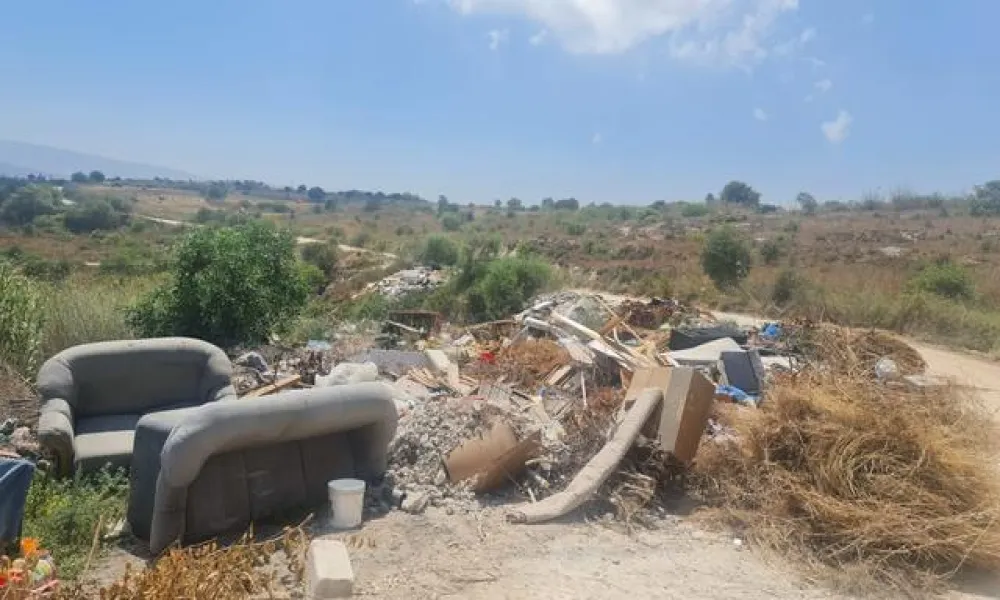
The concern stems from the fact that Kouri is the only municipality in the province with large, uninhabited areas, while neighbouring municipalities are densely populated. Officials fear this geographic reality may make it a target for illegal dumping, both by unscrupulous individuals from other parts of the province and by its own residents.
Similar concerns about a rise in illegal waste disposal following the introduction of PAYT have been raised by other municipalities across Cyprus, as well as by Members of Parliament during recent committee sessions. Lawmakers have underscored the need to incentivise citizens to recycle, so as to avoid resorting to unlawful dumping in rural or remote areas.
Ypsonas: model municipality with serious concerns
Notably, the concerns for Limassol—and specifically for areas within the Ypsonas Municipality—are coming from a local authority that has already emerged as a pioneer in PAYT preparations. Ypsonas is currently seen as a model municipality by peers just beginning to draft their own PAYT implementation plans.
For the past five years, Ypsonas has operated a cost-neutral, reward-based recycling programme covering 20% of its population. The initiative has incorporated advanced digital technologies, in line with best practices from European cities. It’s no coincidence that the Union of Cyprus Municipalities selected Ypsonas to participate in current consultations with the Agriculture Ministry.
Bin monitoring and enforcement gaps
Speaking to Politis, Solon Louka, health officer at Ypsonas Municipality and member of the local team negotiating with the Department of Environment, confirmed that the municipality has formally raised its concerns. Among the main preconditions presented to the Department are two key demands: the hiring of more environmental inspectors and the state funding of the municipality’s prepaid bin system, which it currently employs in place of the prepaid bag model proposed by the Department.
Louka explained that each bin is digitally tagged and registered in a central database under the name of the property owner. This monitoring system allows the municipality to track illegal waste disposal—at least among its own residents.
Shortage of inspectors a national weakness
The need to increase the number of environmental inspectors has also been raised as a national issue. Louka stressed that preventing waste from being dumped illegally by residents of other municipalities requires more on-the-ground enforcement. The shortfall in inspection personnel was highlighted just last week during the House environment committee during a discussion on the implementation of waste legislation related to construction and demolition materials.
It was revealed that the environment department has only 13 inspectors to cover the full scope of environmental legislation across the entire country. This limited staffing makes effective enforcement extremely difficult. To illustrate the gap, MPs noted that these 13 officers are expected to oversee more than 2,500 contractors island-wide, in addition to monitoring all other sectors subject to environmental regulation.
2026 goals and organic waste backlog
According to Louka, Kouri Municipality aims to roll out mandatory recycling for plastic and paper across the entire district by January 1, 2026. However, when it comes to organic waste, the plan is still in limbo, awaiting the Department’s finalisation of processing and treatment units. The latest status update on this front has already been shared with local authorities, as reported previously by Politis.
Illegal dumping: a growing threat
On the issue of illegal dumping—which has become a nationwide plague and a known cause of wildfires—Louka said the scale of the problem is already staggering. In just two months, the Municipality of Kouri has collected more than 500 truckloads of illegally dumped waste, originating from both individuals and businesses.
A number of reports have been filed with the Environment Department, with several cases under investigation. Penalties have been issued both by the municipality and the department. In such cases, the cooperation of the public is essential, Louka stressed, encouraging citizens to report violations via the municipality’s central phone line.


