By Kiki Pericleous
While many small villages in Cyprus face stagnation or decline, the community of Mandria in Paphos is experiencing a population boost, yet it urgently needs state support to address critical infrastructure challenges and sustain its growth.
Located just 13 kilometres southeast of Paphos city, the village of Mandria has grown to a population of approximately 1,800 to 2,000 residents, with around 700 of them being foreign nationals from the UK, Ukraine, and Israel. This demographic trend, however, is now at risk due to inadequate infrastructure, especially in roads and education facilities.
According to community council president Christos Michailidis, much of the needed road development requires expropriations of Turkish Cypriot-owned plots, a process the community is expected to fund on its own, at a cost of €400,000 to €500,000, well outside its budget.
Despite repeated appeals to the Ministry of Interior for support citing the village’s refugee status, no formal response has been received to date.
Schools in need of urgent support
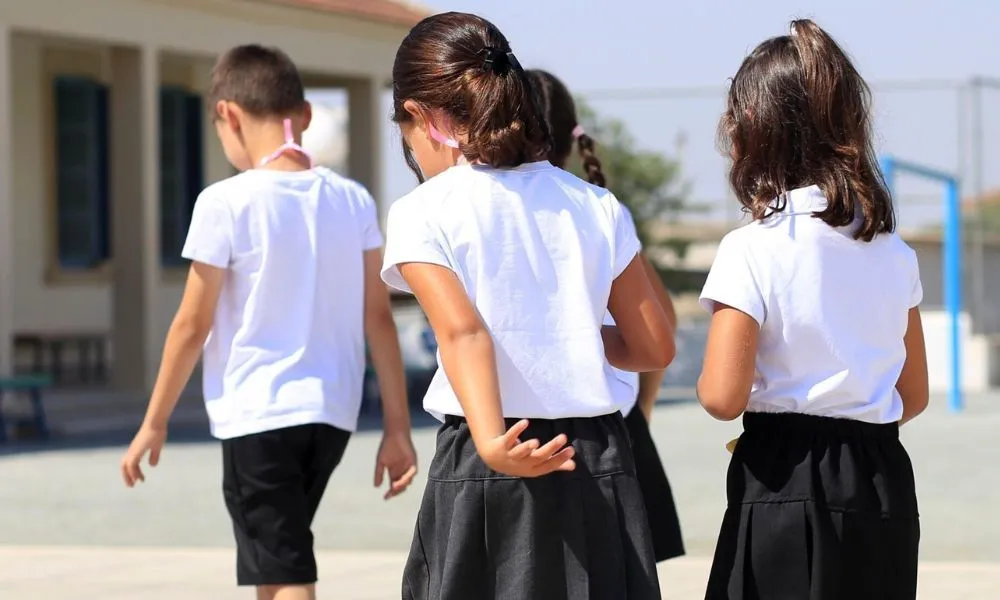
The community operates a primary school with 65 pupils, where space is so limited that a former canteen has been repurposed as a classroom, and additional teaching space is provided by two prefab units. There is no dedicated room for speech therapy, while the 80-year-old kindergarten building has never undergone a seismic safety assessment.
The council has secured a building permit and planning permission for a new kindergarten, with hopes the project will be included in the 2026 state budget. During rainfall, students are forced to walk through water to reach outdoor toilets.
Rural charm meets modern appeal
Mandria maintains a lively village spirit with four restaurants, cafes, a mini-market, a cultural centre, and an annual pistachio festival, as well as youth and sports facilities. Seasonal events include a Christmas village, film and theatre weeks, summer cinema, and a traditional heritage festival scheduled for 19 October.
The village thrives agriculturally, with residents cultivating citrus fruits, bananas, avocados, table grapes, and a variety of vegetables, including potatoes, carrots, and tomatoes. Livestock farming remains strong, supported by access to irrigation from the Asprokremmos Dam and local rivers.
A rich history
Mandria’s name derives from its pastoral roots, meaning a place with sheep pens — and the settlement predates the Ottoman era. Once known as “Yesillona” (Green Plain) by its Turkish Cypriot inhabitants, the village was largely repopulated by Greek Cypriot refugees after 1974.
The standout religious landmark is the chapel of Agia Vryaini, said to be the only church in the world dedicated to the little-known Cypriot saint. Local legend holds that sailors, saved from a storm by invoking her name, built the original chapel as a thank-you offering. Destroyed multiple times, it was rediscovered in the 1970s through what locals describe as a divine vision seen in a dream. The new chapel was inaugurated in 1986 and is now a place of daily pilgrimage, celebrated especially on 30 August, when many faithful visit from across the island.
Rising property prices
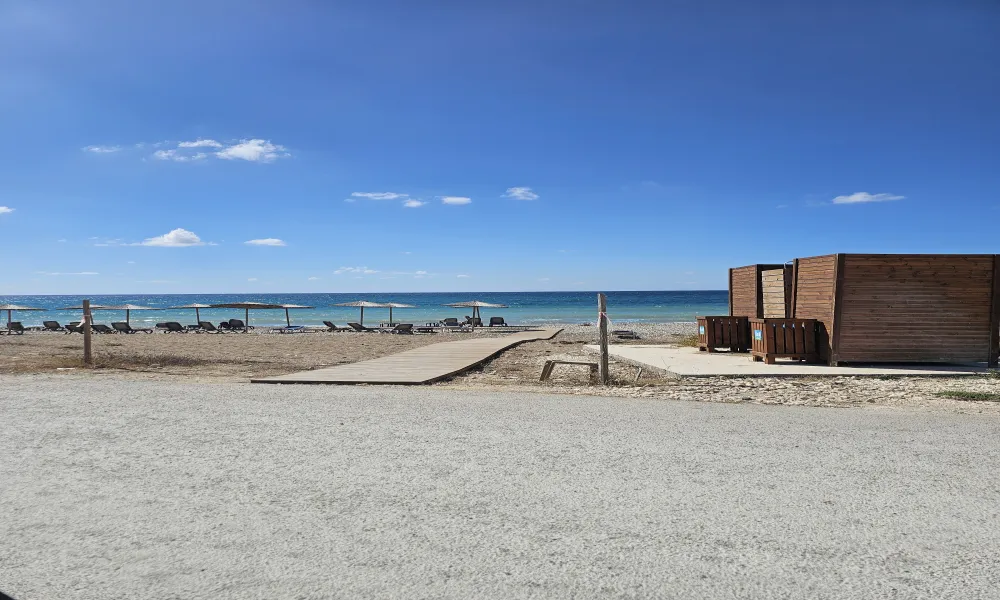
Mandria also boasts a three-kilometre coastline, two kilometres of which are suitable for swimming. However, breakwaters and shoreline upgrades are needed to unlock the beach’s full potential. The community has requested state ownership of a designated beach plot to enable development.
Housing demand has driven property and rental prices up, according to Michailidis, yet families continue to settle in Mandria thanks to its tranquillity, natural beauty, safety, and proximity to Paphos.