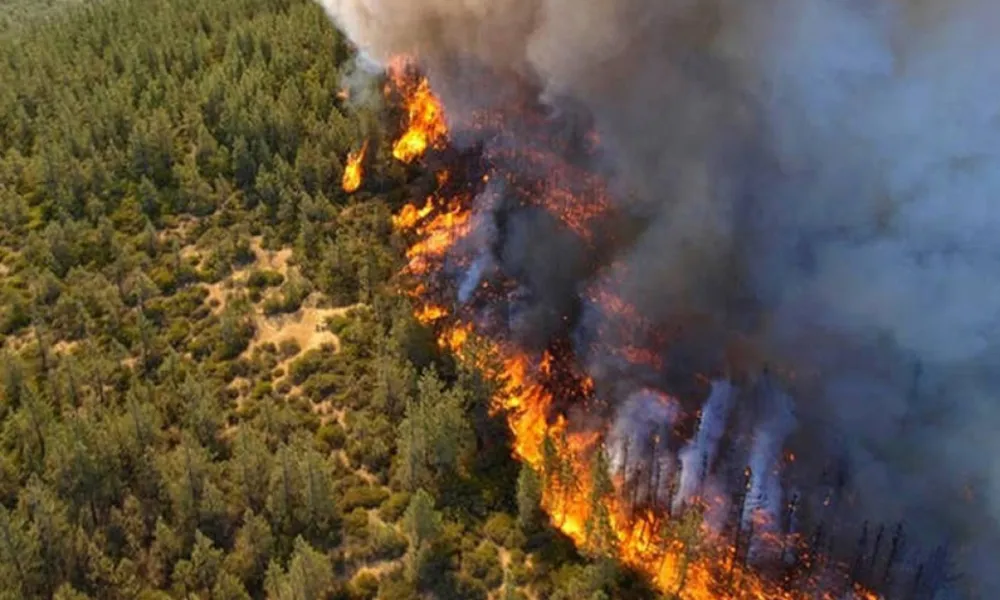
Europe is heading towards its worst wildfire year since records began, according to the European Commission’s new forest fire assessment. The findings show a continent where heat, drought and extreme events are driving a surge in fire activity, with Mediterranean countries once again among the hardest hit. Greece and Cyprus appear prominently in the data, illustrating how the region’s fire seasons are intensifying despite expanded firefighting capacity.
Europe’s fire seasons are growing longer and more severe
The 2024 fire season ended with 383,317 hectares burned across the EU, above the 17-year average of 354,185 hectares. Although lower than 2023’s half-million-hectare total due to intermittent spring and summer rainfall, the overall trend remains upward. Major fires have increased every year since 2017.
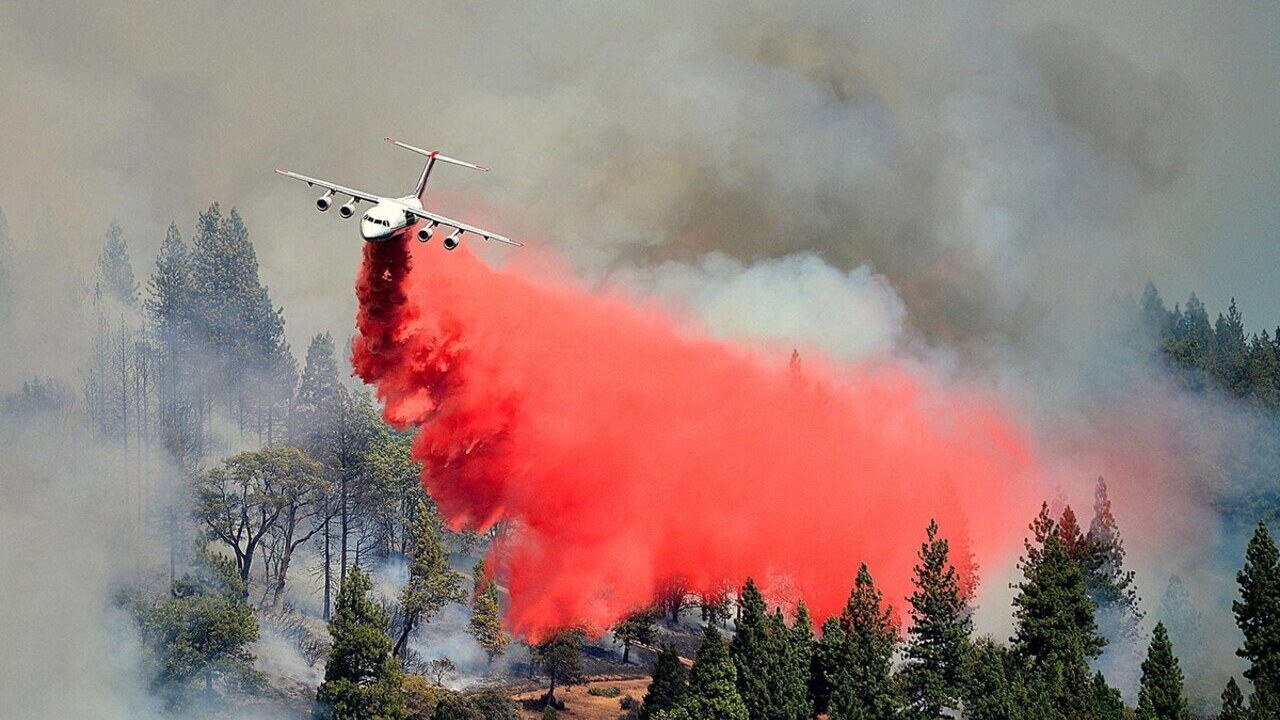
EFFIS data confirm that 2025 is already on track to become the worst fire year since monitoring began in 2006, with early-season conditions mirroring the extreme patterns seen during the devastating 2023 season.
Across the EU, 8,343 fires were reported in 2024, more than four times the 17-year average.
Cyprus: A sharp rise in burned land and a devastating June season
Cyprus recorded:
121 forest fires in 2024 (up from the 10-year average of 104)
3,425 hectares burned, almost double the 10-year average of 1,764 hectares
June alone accounted for more than two-thirds of the country’s total burned area, including the season’s largest fire:
Thrinia, Paphos District: over 1,490 hectares burned, prompting evacuations of four villages and activation of the EU Civil Protection Mechanism. Greece, Jordan and the British Bases provided aircraft support.
Other significant fires included:
Ypsonas (Limassol): 257 and 411 hectares burned in two separate incidents
Farmakas (Nicosia District): 240 hectares burned
Cyprus also supported international response efforts, deploying aircraft to North Macedonia in August and to Greece in October under the EU Civil Protection Mechanism.
EFFIS satellite analysis shows 3,529 hectares burned across the island, with 860 hectares within Natura 2000 areas.
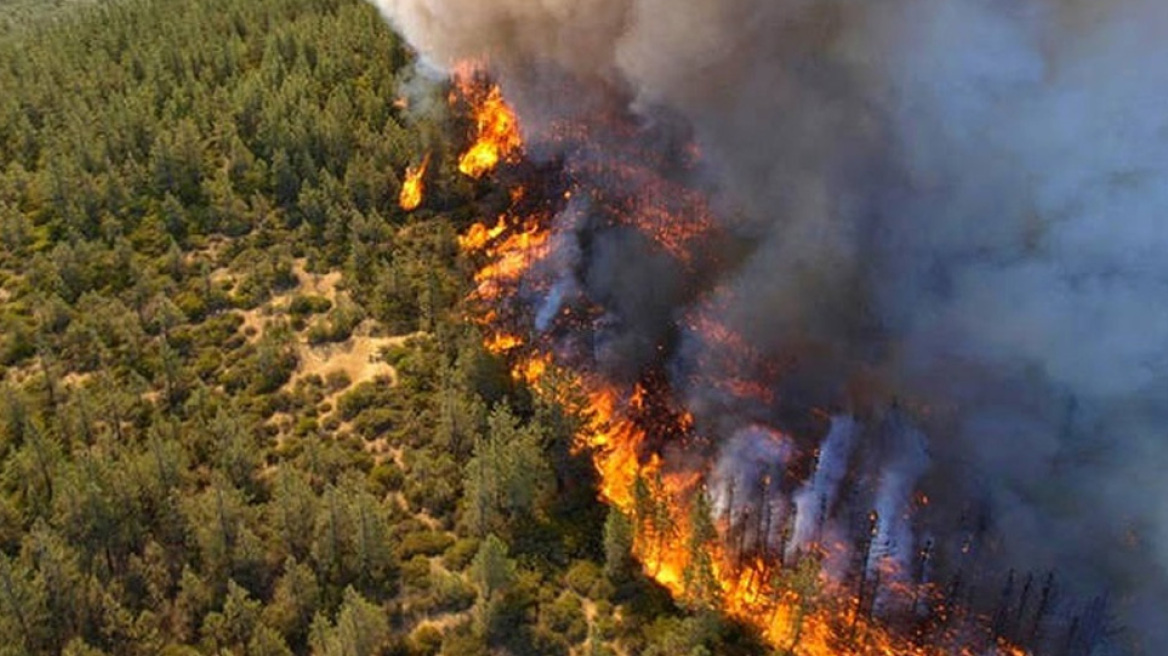
Greece: Extreme heat, more incidents, and one of Europe’s largest fires
Greece experienced a quieter year compared to its catastrophic 2023 season, yet still recorded fire activity above the long-term average.
The country reported:
981 forest fires in 2024 (up from the 10-year average of 859)
28,288 hectares burned across wooded and non-wooded land
Nearly 11,000 hectares burned in a single Eastern Attica fire, the third-largest mapped in Europe in 2024
The Greek summer was the hottest since 1960, with average temperatures 3°C above normal and prolonged heat waves enduring into September. Some regions saw six consecutive months with no rainfall.
While the number of fires above 500 hectares decreased, incidents in the 100–500 hectare range doubled compared to 2023.
Around 10,783 hectares burned within Natura 2000 protected areas, representing 0.22 percent of Greece’s protected land.
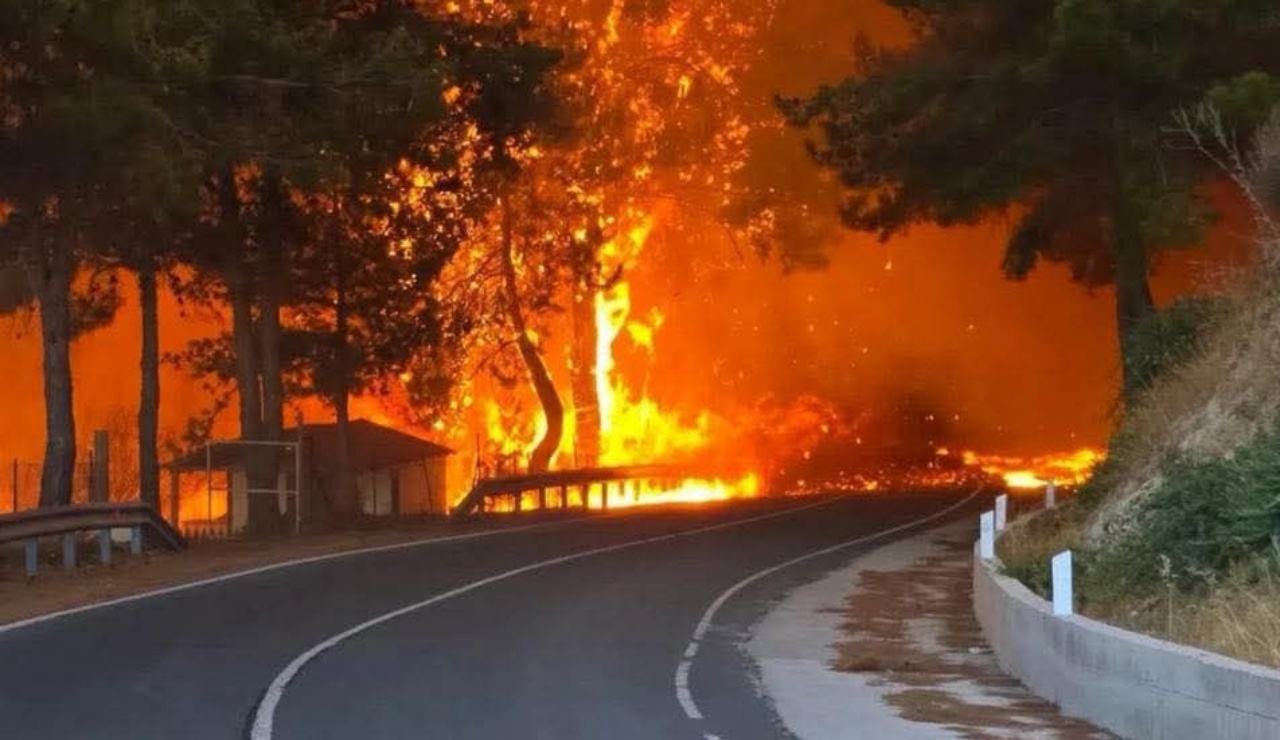
A shifting reality across Europe
According to the Commission, Europe’s wildfire landscape is changing faster than fire services can adapt. The 2024 season saw:
1,866,900 hectares burned across all EFFIS-monitored countries, double the 2023 figure
Ukraine alone accounting for over half the total, driven by fires along active combat zones
Warmer temperatures, long droughts, and highly combustible landscapes are resulting in fire seasons that now stretch from spring into late autumn.
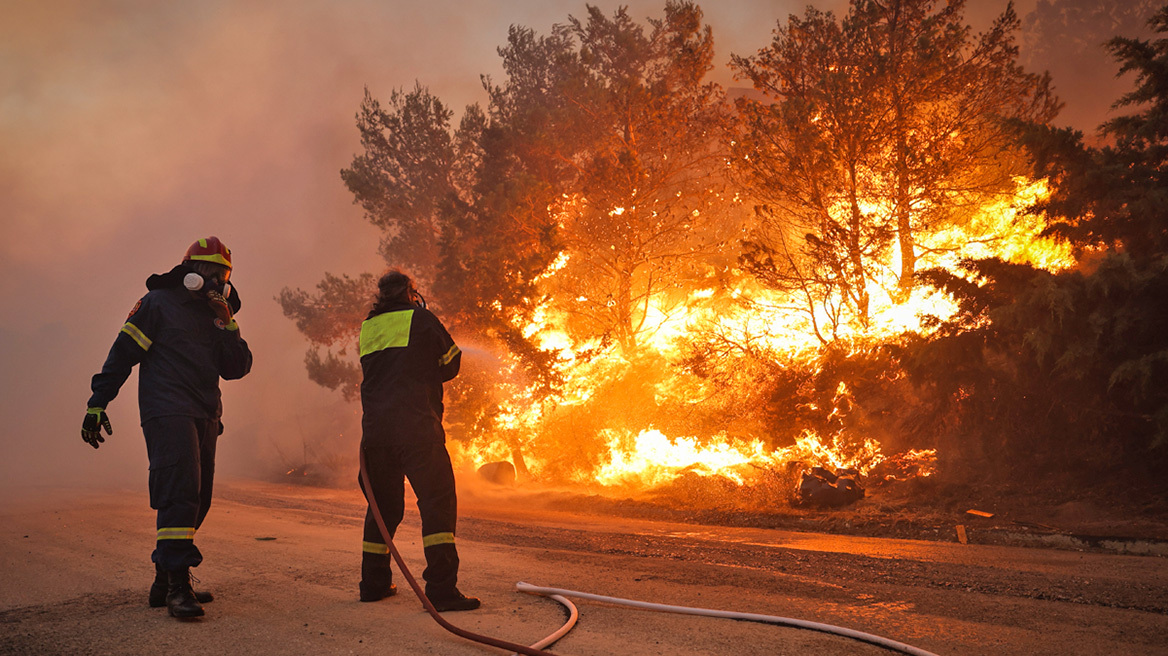
How Europe is strengthening its response
To meet these escalating risks, the EU has:
- Doubled the rescEU aerial firefighting fleet
- Pooled additional aircraft, ground crews and response teams from 27 Member States and 10 EU Civil Protection Mechanism partners
- Expanded spontaneous cross-border assistance and rapid-response deployment capacity
- But the Commission also stresses that suppression alone is not enough. The future of wildfire resilience will depend on:
- Integrated wildfire risk management
- Smarter land and forest management
- Nature-based solutions
- Community preparedness and early-warning systems
A defining decade for the Mediterranean
With both Greece and Cyprus experiencing hotter, longer and more intense fire seasons, the Mediterranean remains the epicentre of Europe’s wildfire crisis.
The data suggest a clear trajectory: without stronger prevention, active land management and rapid adaptation to climate extremes, wildfires will continue to reshape landscapes, ecosystems and communities across the region.