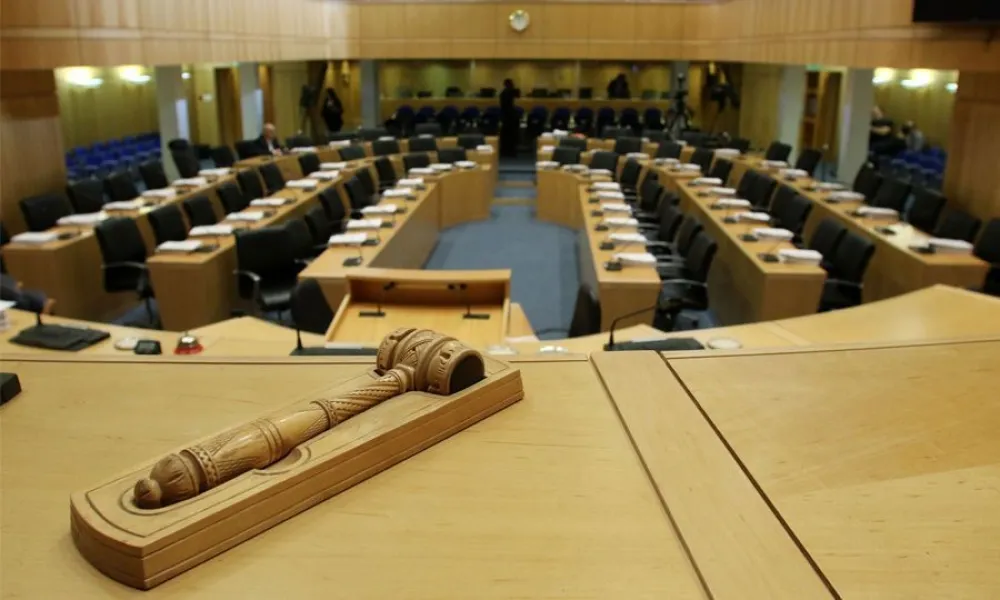
Parliament has approved the government’s new teacher evaluation framework, despite weeks of disagreements and warnings of industrial action from unions. The majority of parties described the bill as a necessary but imperfect step, while the Ministry of Education is now required to submit the detailed regulations and criteria that will govern how evaluations take place.
The bill passed with the votes of DISY, DIKO, EDEK, DIPA, the Greens, independent MPs Alexandra Attalides, Andreas Apostolou and Michalis Giakoumis, as well as Irene Charalambidou. AKEL (with the exception of Charalambidou), ELAM, and independent MPs Kostis Efstathiou and Andreas Themistocleous voted against.
Government expresses satisfaction
Education Minister Athena Michaelidou, who attended the debate in Parliament, described the vote as a historic moment for Cyprus’ education system. President Nikos Christodoulides also welcomed the outcome, stating that the reform strengthens teachers, upgrades pedagogical work and aims to ensure better learning outcomes for children.
What the new law includes
Following amendments introduced during the plenary session, the law provides for:
- A new teacher evaluation system comprising formative and final (numerical) assessments intended to improve teaching quality.
- A final numerical score on a scale of 1-40, with more than one evaluator involved. If there is a large deviation in scores, a third evaluator is appointed.
- The school principal contributing 15 percent of the overall score.
- Evaluation of the pedagogical work of school units.
- A transitional period, with full implementation from the 2028-2029 school year.
- The introduction of a new role, the senior teacher.
Support tempered by concerns
MPs who supported the bill acknowledged that the framework is not perfect but argued that reform is long overdue.
DIKO MP Pavlos Mylonas said that maintaining the same evaluation system for fifty years is excessive. Addressing concerns about principals’ authority, he noted that similar powers already exist under the current system.
DISY MP Chrysanthos Savvidis called the reform an important step toward ensuring quality teaching and adapting schools to modern demands. Independent MP Andreas Apostolou stressed the need for Parliament to ensure that the reform functions in practice, while DIPA’s Alekos Tryfonides said that although not flawless, the reform moves in the right direction for students’ benefit.
Irene Charalambidou, who voted in favour despite AKEL’s opposition, described the reform as a first step but said it could have been more ambitious. She also criticised attempts to pressure Parliament through strike threats.
Sharp criticism from opponents
Independent MP Andreas Themistocleous warned that the reform risks failing like previous educational changes, arguing that it will not resolve problems in public education.
AKEL MP Christos Christofides said the bill does not constitute a real reform, citing gaps, ambiguities and increased fiscal cost. He criticised the government for not securing agreement with teacher unions, arguing that no change can succeed without their cooperation. AKEL MP Andros Kafkalias accused the government of opting for communication tactics instead of substantive dialogue.
Regulations still pending
Much of the criticism centred on the fact that MPs were asked to vote without having the accompanying regulations, which will define the actual criteria for evaluating teachers. The Ministry of Education must submit these regulations to the House Education Committee by the first Wednesday of March.
The response of teacher unions POED and OELMEK is now awaited, as both have previously warned of escalating industrial action if the bill became law.