
The European Union is preparing significant changes to one of the most common documents used by drivers. The initiative aims to replace the traditional vehicle registration document with a digital system designed to function across all EU member states.
Digital transformation of vehicle documentation
In recent months, several European initiatives have been launched concerning both the automotive sector and the documents drivers are required to carry in their vehicles.
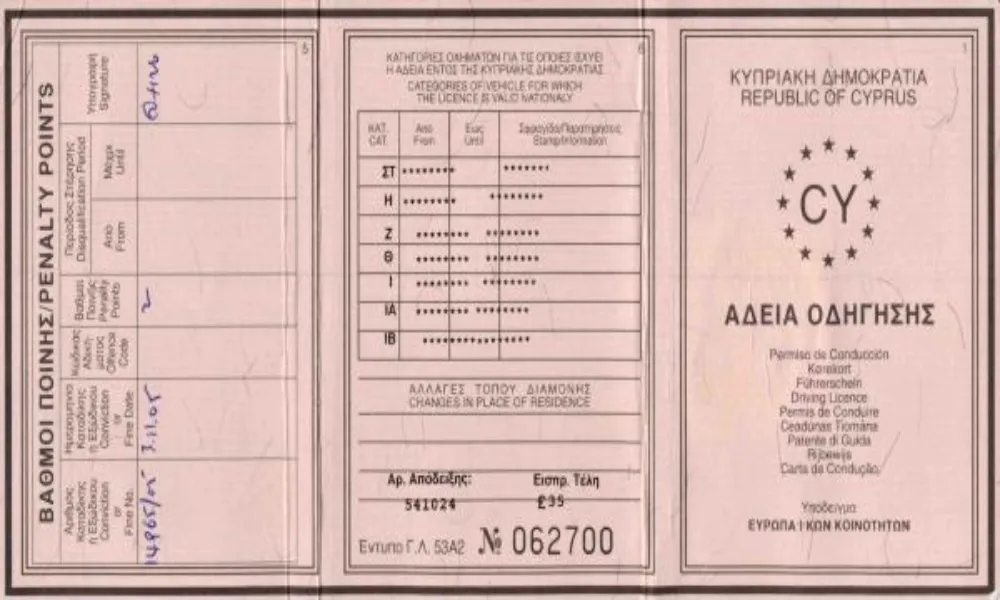
One example is the driving licence, which is expected to stop circulating in paper form by 2033 and instead become a plastic card with a common format across all EU member states.
At the same time, new measures are being examined regarding the process of obtaining and renewing driving licences, with particular emphasis on young drivers and the introduction of probationary periods, a practice that is gaining ground in several European countries.
Proposal for a unified digital registration
Attention is now turning to the vehicle registration document. At present, registration documents are issued and managed separately by each member state, often creating practical difficulties, especially in cross-border vehicle sales or inspections outside the country of registration.
The proposal currently under discussion provides for the creation of a unified digital European document that would replace the traditional registration certificate. The system would apply to all vehicles, including passenger cars, motorcycles and commercial vans, creating a common framework throughout the Union.
The aim is to establish a pan-European digital registry accessible to the competent authorities of each country. Through this system, authorities would be able to obtain immediate information about a vehicle, including technical specifications, ownership details and registration status.
Legislative process and timeline
According to available information, the proposal has already received the support of 39 Members of the European Parliament and is currently at the stage of final negotiations with member states in order to determine the final form of the legislation.
The next step will be approval by the European Parliament. If the measure is adopted, member states will have approximately three years to adapt their systems and implement the new framework.
If the legislative process is completed within the current year, the traditional printed registration document could be phased out by 2029, with all drivers required to transition to the new digital format.
How the new system will work
The new registration will not simply be a digital copy of the current document. It is expected to function as an advanced system incorporating key information through special codes, allowing authorities to carry out faster and more reliable checks.
Access to the document would be provided through a smartphone application, significantly simplifying procedures. According to the European Union, citizens would no longer need to keep the physical document in their vehicle, while cross-border travel and vehicle checks would become faster and more efficient.
Source: carandmotor.gr