Following a new on-site visit on November 11, 2025, the Terra Cypria Environmental Foundation warns that the Akrotiri Wetland continues to face immediate and serious threats due to the systematic discharge of sewage and water pollution.
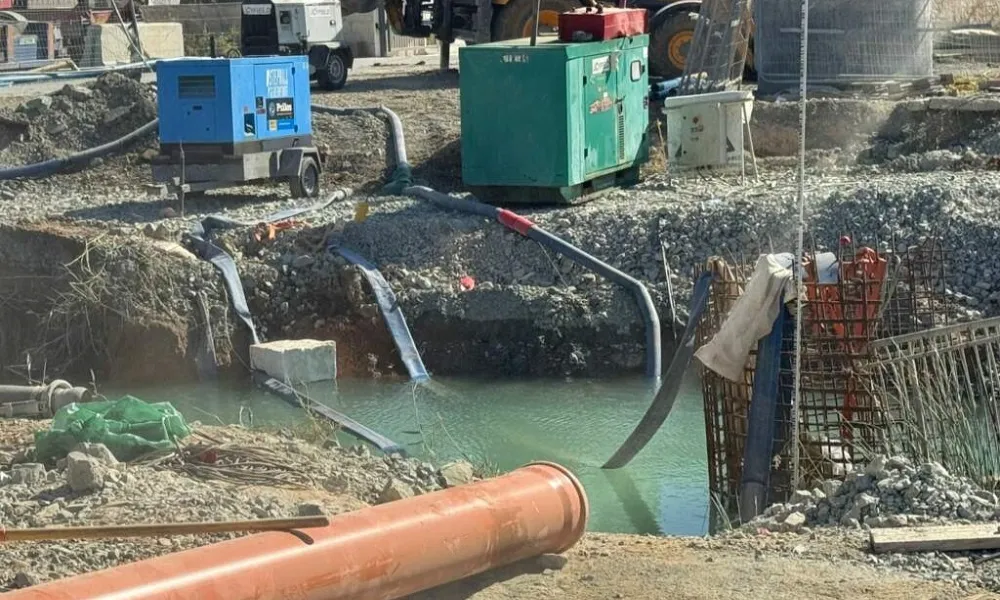
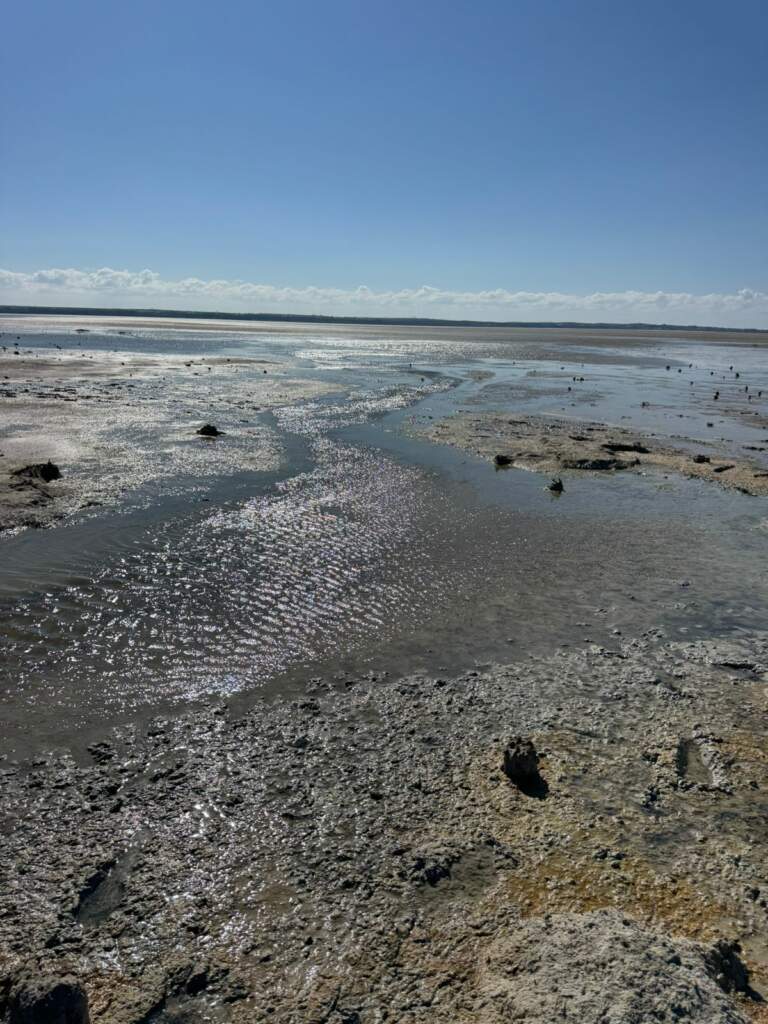
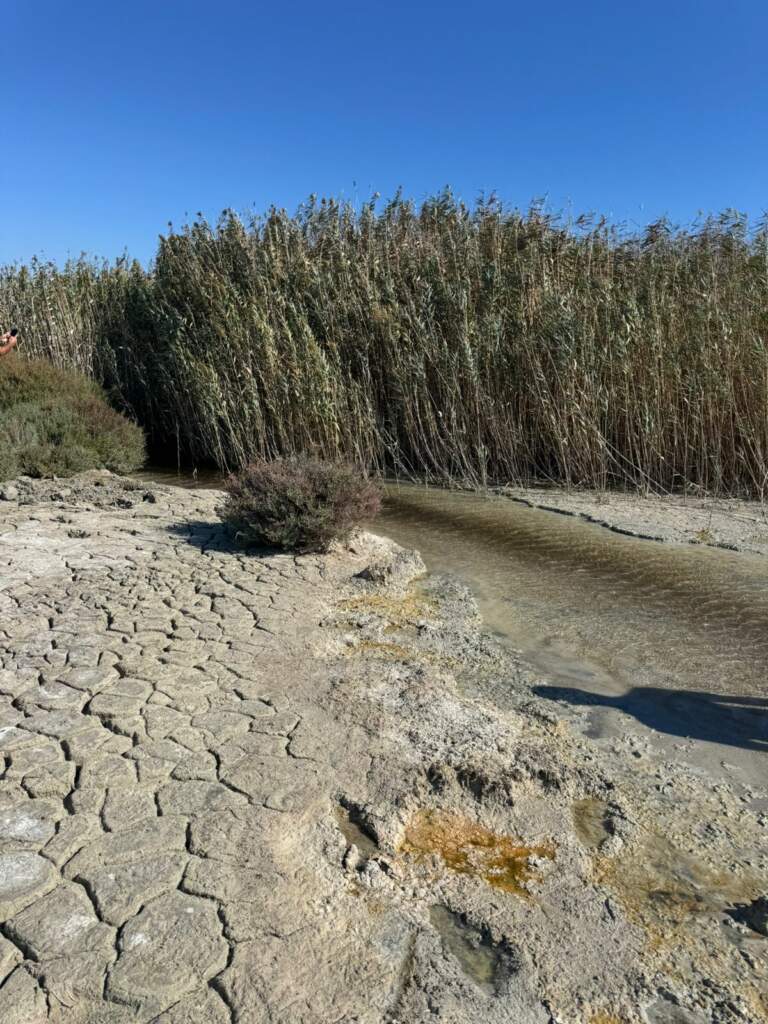
Terra Cypria reports pollution, foul odor, and an uncontrolled, ongoing flow of water into the Akrotiri Wetland and the sea of Lady’s Mile, publishing related photographic evidence.
After the inspection, the organization noted that the wetland continues to suffer from unauthorized water discharges, sewage leaks, and visible signs of eutrophication (overgrowth of algae due to nutrient pollution).
“Just like last year (see Terra Cypria statement dated 21/10/2024), this year too we found unjustified water presence and volume for this season, despite low rainfall and drought conditions. Construction works in the area (such as the road network, golf course, nearby developments, etc.) either discharge drainage water into stormwater channels or allow runoff to enter from scattered points north of the wetland. All these flows end up uncontrolled and without permits inside the wetland, and even into the sea. Foul odors, mud, and eutrophication remain evident, clear signs of sewage entering the Akrotiri Wetland System,” the organization said in its statement.
The complaint was presented, Wednesday, before the Parliamentary Environment Committee, during a session on sea pollution in Limassol, with Terra Cypria’s representative, Kleitos Papastylianou, questioning why a voluntary NGO has to carry out the investigative and reporting work that should be done by state authorities.
Measures Requested
Terra Cypria calls for immediate action to protect the Akrotiri Wetland, the largest surface water body in Cyprus and a Wetland of International Importance, demanding:
- Immediate investigation by all competent authorities (Departments of Environment of both the Republic of Cyprus and the British Bases, Water Development Department, Department of Fisheries and Marine Research, Forestry Department, Limassol District Officer, British Bases Administration, Limassol District Organization of Local Government (E.O.A.), and the Health Services) into potential serious environmental damage caused by illegal wastewater/sewage discharges into the Akrotiri Wetland.
- On-site inspections and publication of water quality results in specific locations where abnormal water presence and volume are observed, as well as public statements from the British Bases Administration and the Cypriot Ministry of Agriculture, Rural Development and Environment about the legality of the discharges from nearby projects (roads, golf course, developments, etc.).
- Disclosure from the Limassol E.O.A. on any authorized or unauthorized stormwater discharges into the wetland or the sea.
- Publication of all water analyses conducted in the last year by the relevant environmental departments.
- Implementation of the Environmental Liability Principle, including preventive and restoration measures for any environmental damage caused by wastewater or sewage discharges.
Environmental Department
Terra Cypria has already submitted formal written complaints to the Environmental Authority in October 2024 and November 2025, supported by documentation showing evidence of environmental harm.
“Therefore, Terra Cypria publicly calls on the Environmental Authority to act under the provisions of the Environmental Liability Law (2007–2021). Since the wastewater discharge originates in areas under the Republic of Cyprus and flows into areas under the British Sovereign Base Areas, the Environmental Authority must identify the responsible operator, assess the damage, take preventive action, and determine restoration measures,” the statement reads.
“Counting Down”
According to Terra Cypria,
“The Akrotiri Peninsula hosts the largest and most complex coastal and aquatic ecosystem in Cyprus. Its habitats and species are adapted to very specific ecological and hydrological conditions. Yet, the peninsula faces a wide range of pressures and threats, including habitat loss, degradation, fragmentation, disturbance to wildlife, sewage discharge, water pollution, and changes to hydrology.”
“A large and sensitive part of the area is directly linked to the wetland, making it extremely vulnerable to pollution and hydrological alterations. The greatest hydrological threat in recent years comes from the continuous, non-seasonal, and increasing inflow of wastewater/sewage into the wetland through stormwater channels. This is mainly due to land-use changes, land occupation, soil sealing, and drainage works, all results of intense development pressures from large-scale residential, commercial, and tourism projects within the Akrotiri Wetland catchment.”
“If last year the situation was critical, this year we are counting down. It’s a disgrace how we (or rather, how we don’t) manage the island’s most important wetland. It’s time for all responsible authorities to finally take action,” the statement concludes.