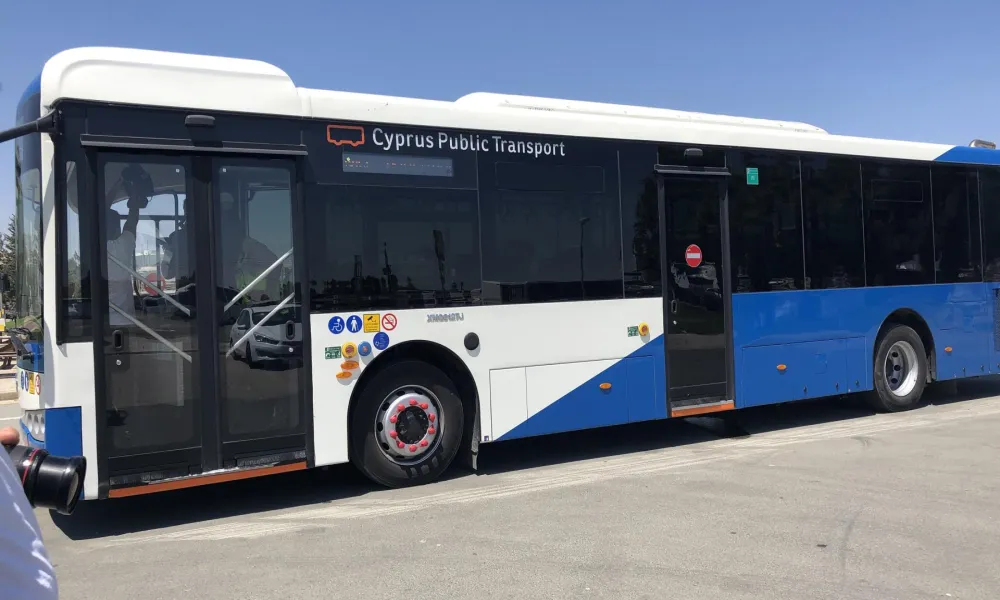
The arrest of a 58-year-old public bus driver in Larnaca, stopped for carrying more passengers than permitted and for driving under the influence, is just the latest example of a troubled public transport system in Cyprus. A breathalyzer test showed he was driving (also carrying kids to school while he was seven times over the legal alcohol limit. He was brought before the District Court and suspended by his company.
Serious as it may seem, this case is not an isolated extreme. It belongs to a much wider pattern: the daily complaints about drivers refusing to stop for foreign workers, shouting at students, racist remarks, or skipped routes are all symptoms of the same problem, a system where safety and respect are never guaranteed.
Teenagers and foreign workers, recall a driver hurling racist slurs at a foreign worker who boarded seconds late, then speeding past another who ran to catch the bus, later boasting about it to a friend, on the phone.
A young woman with neatly packed flat boxes was shouted at and denied entry late at night, even though the bus was almost empty. Foreign workers waiting visibly at bus stops have been ignored, left stranded on their way to work. Drivers refuse to take fares if the passenger doesn’t have the exact change.
Teenagers insist on unreliable schedules, overcrowded inter-city buses, missed connections. In the summer when younAll these complaints, put together, erode trust and each touches directly on the basic principles of safety, hospitality, humane treatment, and what every worker or youth deserves in their everyday life. In the summer, when youngsters flood the buses to reach the coast, waiting times can stretch to three hours. One can only wonder what chaos would unfold if a truly major event were ever hosted on the island.
.png)
Buses in Cyprus may run on private contracts, but they carry a public responsibility. Both the companies and the government's transport system itself carry a foremost responsibility to the public. Thousands rely on it daily, especially foreign workers who keep the economy moving in harsh conditions. Safety is not only about avoiding accidents but also about ensuring reliability, dignity, and equal treatment.
That is why both the Ministry of Transport and the bus companies must look beyond damage control. They need to examine the basic training drivers receive, the way they are selected, the oversight of their work. And just as importantly, the salaries and conditions under which they are employed. If drivers are to treat their job as a vital contribution to society, they must also feel valued, properly compensated, and respected. Without investment in both professionalism and fair pay, the service will remain vulnerable to abuse.
The latest arrest is warning. The next “incident” may not end with a court appearance, but with something far worse. Suspending the 58-year-old was the easiest step for the employer. The harder task is owning responsibility, supporting drivers, and delivering the safe, reliable transport Cyprus urgently needs.