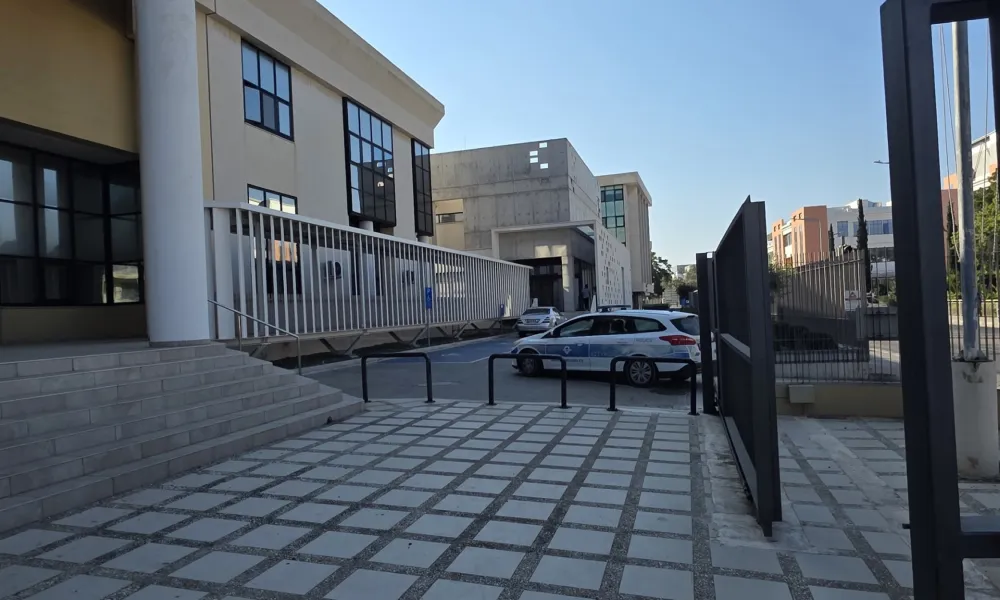
In Cyprus, placing sole responsibility on the state is fundamentally flawed. It is unrealistic to expect the police to bear the entire burden, from prevention to suppression, as this creates significant practical and organisational problems. Across Europe, the organising club, the football federation, and the stadium owner all have legal obligations to ensure the safety of events. In Cyprus, however, responsibility falls almost entirely on the police, creating the paradox of the state guarding a commercial event of a private club while the police effectively operate as a private security service for these organisations.
It is important to remember that football clubs are private companies with revenues in the millions, participating in professional competitions. No other commercial sector receives such protection from the state, which, even if willing, cannot address such a complex social and cultural problem alone.
Violence in stadiums is generated by fan associations, maintained by certain clubs, reinforced by impunity, and allowed by lax regulations. The police inevitably witness the consequences rather than the causes. When the state is the only active party, the result is the criminalisation of the problem, confrontation instead of collaboration, and the repetition of the same incidents. It is no coincidence that such a complex issue is frequently oversimplified as a problem between fans and the police.
What happens in Europe is very different. The shared responsibility model ensures that organisers hire private security, clubs follow strict protocols, fan associations are licensed and monitored, leagues enforce penalties, and the state intervenes only in cases of criminal abuse or large-scale risk. Cyprus, by contrast, has taken the opposite approach, leaving the state to carry the entire weight of responsibility.