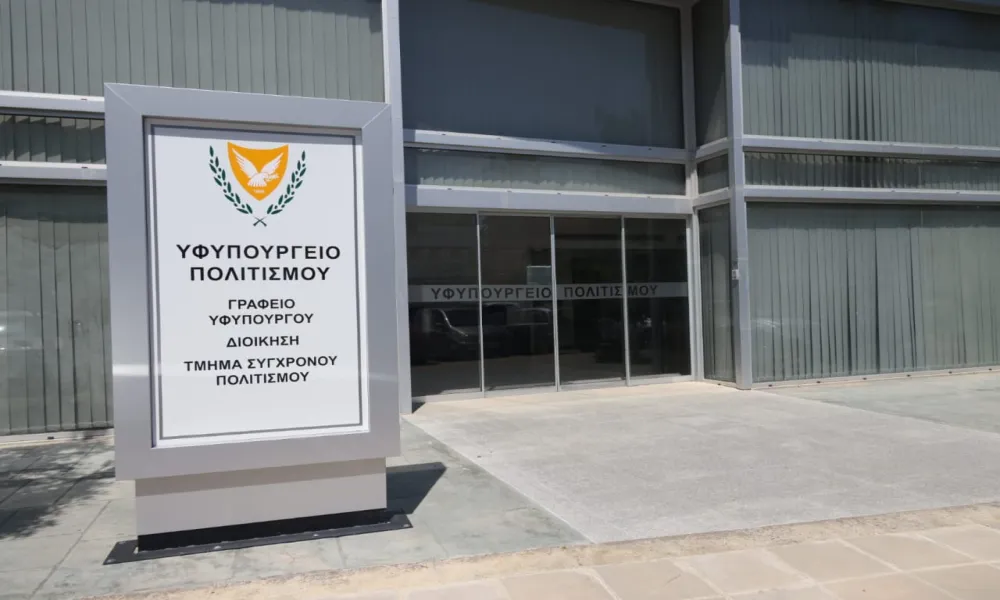
A state, a well-governed society, is judged not by slogans, populism or communication theatrics, but by the depth of its relationship with culture and cultural institutions. Unfortunately, this is not what we are witnessing today.
It is with concern that we note, through reactions from cultural organisations, that the Deputy Ministry of Culture is delaying the completion of the evaluation process for proposals submitted under the “Politismos III” programme. Although the call itself set 30 January 2026 as the deadline for concluding the procedure, and February is now drawing to a close, the Evaluation Committees have yet to be appointed.
The consequences for cultural bodies are immediate and serious. The uncertainty surrounding grant allocations makes it impossible to plan activities in a timely manner, secure partnerships or finalise productions. Venue bookings, supplementary funding arrangements and organisational preparations remain effectively suspended, with several organisations reportedly considering cancelling scheduled events. The delay therefore does not merely affect administrative processes. It directly threatens cultural production itself.
Cultural organisations are not asking for favours or preferential treatment. They are seeking a stable framework within which to operate. Artistic creation does not function in fragments, nor can it depend on last-minute announcements issued without certainty.
The state has an obligation to plan in the long term and to ensure the conditions under which cultural work can be produced. Support for culture is not a communication slogan. It is public policy with social and developmental impact, as government officials frequently assert. Nothing meaningful can be achieved in the cultural sphere when administrative confusion prevails within the competent Deputy Ministry and when there is no clear positioning from the political leadership. Otherwise, the message conveyed is one of indifference.
What is now required is the immediate appointment of the Evaluation Committees, the announcement of a clear timetable and, where necessary, an extension of implementation deadlines so that the year is not lost. Culture in Cyprus already faces multiple challenges. The state, having declared its commitment, must act as a facilitator rather than a source of further uncertainty. Seriousness, transparency and respect for creators constitute the minimum standard of responsible cultural governance.