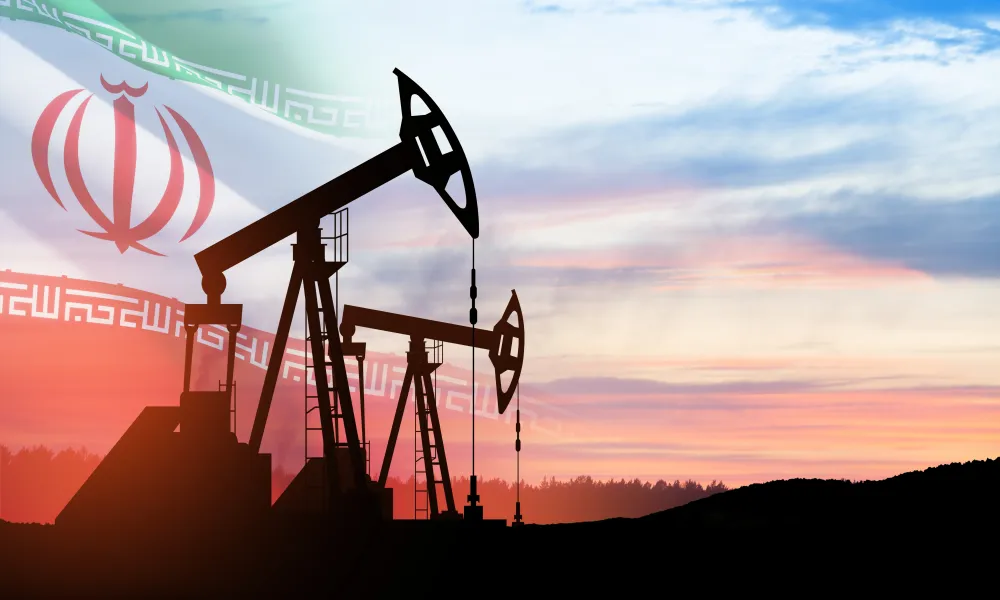
The escalation of tensions in the Middle East, under the political direction of Donald Trump and Benjamin Netanyahu, is no longer solely a geopolitical issue. It has evolved into a source of systemic risk for the global economy, simultaneously affecting energy, trade, markets and inflation.
Contrary to early expectations that the war would end within weeks, Iran appears to be enduring. At the centre of concern lies the potential destabilisation of the Persian Gulf, particularly the Strait of Hormuz, through which roughly one fifth of global oil supply passes. The growing pressure on Iran and the possibility of a wider conflict are embedding a persistent risk premium in energy prices. Markets are already pricing in scenarios of constrained supply, translating into more expensive fuel, higher transport costs and, ultimately, rising prices for essential goods.
The impact extends beyond energy. Maritime transport is directly affected, as risk premiums for vessels transiting the region increase, while companies are forced to reroute shipments to avoid high-risk areas. The result is delays, higher logistics costs and renewed pressure on already fragile global supply chains.
At the same time, the uncertainty generated by a strategy of sustained tension is destabilising international markets. Investors struggle to assess the true level of risk, leading to increased volatility and caution in both investment and lending. In such an environment, central banks face a difficult balancing act, as rising energy prices fuel inflation while economic growth begins to slow.
This dynamic points to a classic stagflation scenario, where economic activity weakens as the cost of living continues to rise. Geopolitical tension effectively becomes an invisible but persistent burden on households and businesses worldwide.
Ultimately, a strategy of escalation does not only undermine regional security. It acts as a multiplier of economic risk on a global scale. In an already fragile economic cycle, the Middle East once again emerges as a decisive factor capable of shaping global balances far beyond its geographical boundaries.