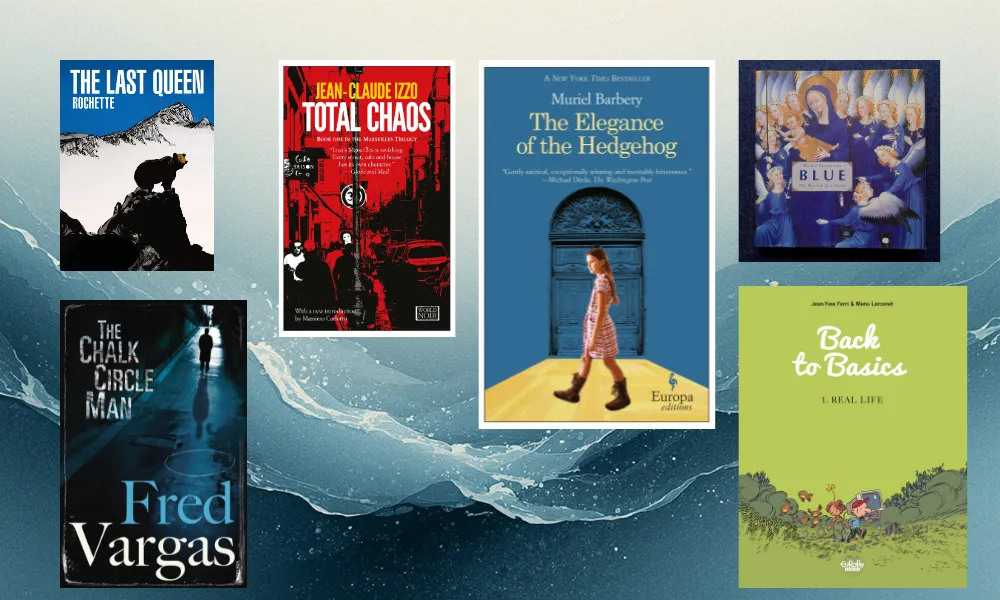

Summer reading lists have become something of a tradition at Politis to the Point, with ambassadors based in Cyprus invited to share the titles they turn to when the pace of diplomatic life slows down. This year, Clélia Chevrier Kolačko, Ambassador of France to Cyprus, has put together a selection built entirely around contemporary French writers, men and women alike, all available in English translation.

Her list ranges widely: three graphic novels, two crime novels set in France's two most storied cities, a work of speculative fiction, a philosophical novel and a cultural history of a single colour. Below is a guide to her picks.
Graphic novels, France's "ninth art"
The ambassador opens with a reminder that in France, comics and graphic novels hold a special cultural status, often referred to as the country's "ninth art." Her first pick, Pénélope Bagieu's "Brazen, Rebel Ladies Who Rocked the World," brings together the stories of overlooked women from history, told through vivid illustration and sharp humour, from warriors and empresses to scientists and explorers. Bagieu, a Paris-born illustrator whose work has appeared throughout French media, is also known internationally for graphic novels such as "Exquisite Corpse.

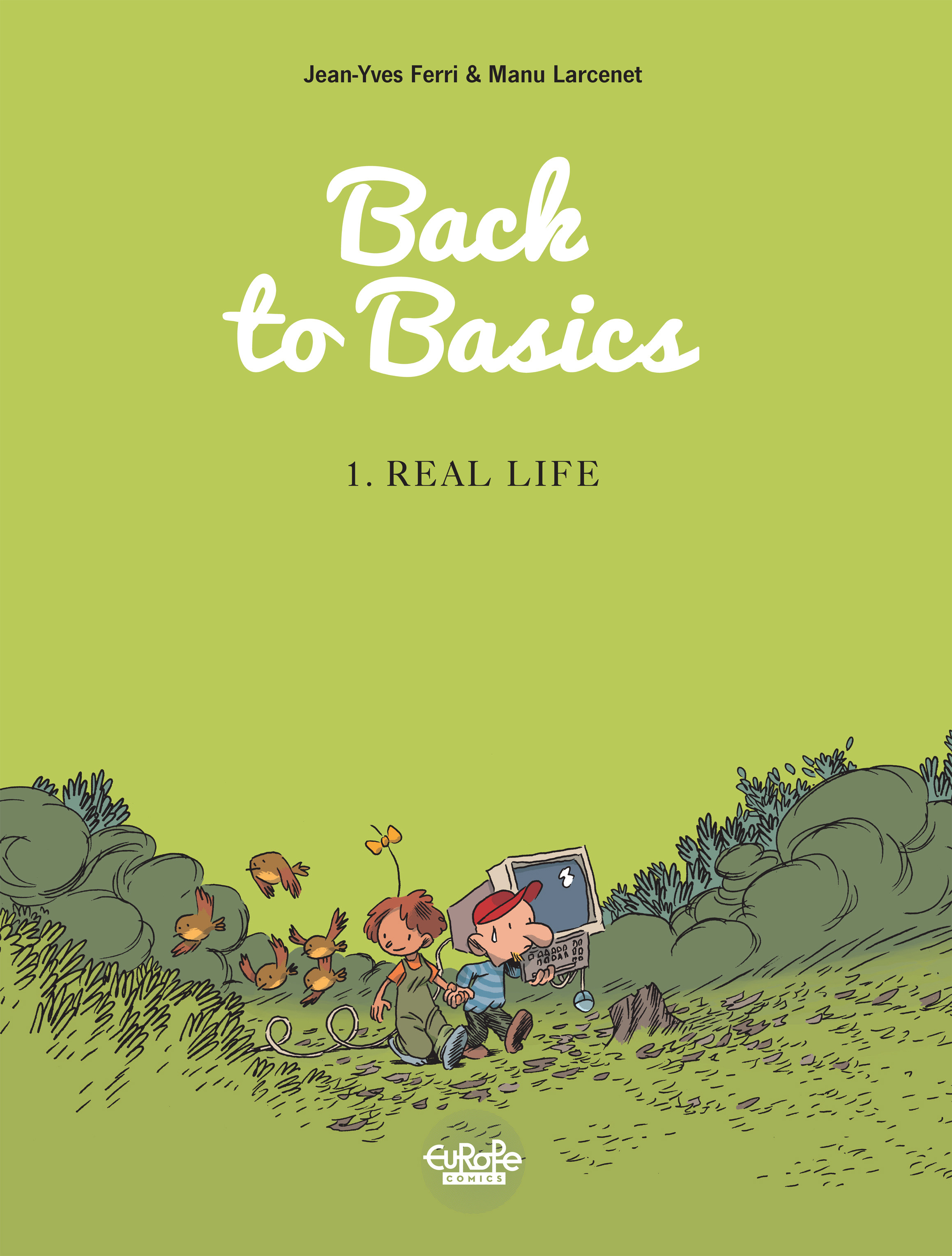
Her second choice, Manu Larcenet's "Back to Basics", is an autobiographical account of Larcenet's own move from Paris to rural France, illustrated by Larcenet and written by Jean-Yves Ferri, best known today for continuing the Asterix series. The story follows a self-described city dweller adjusting, awkwardly and comically, to a slower, more rural existence.
The third graphic novel, Jean-Marc Rochette's "The Last Queen", comes from the co-creator of Snowpiercer. It moves between the mountains of the Vercors and the cabarets of Montmartre, and between eras stretching from prehistory to the First World War, weaving a story that reflects on humanity's relationship with nature.

Two crime novels, two cities
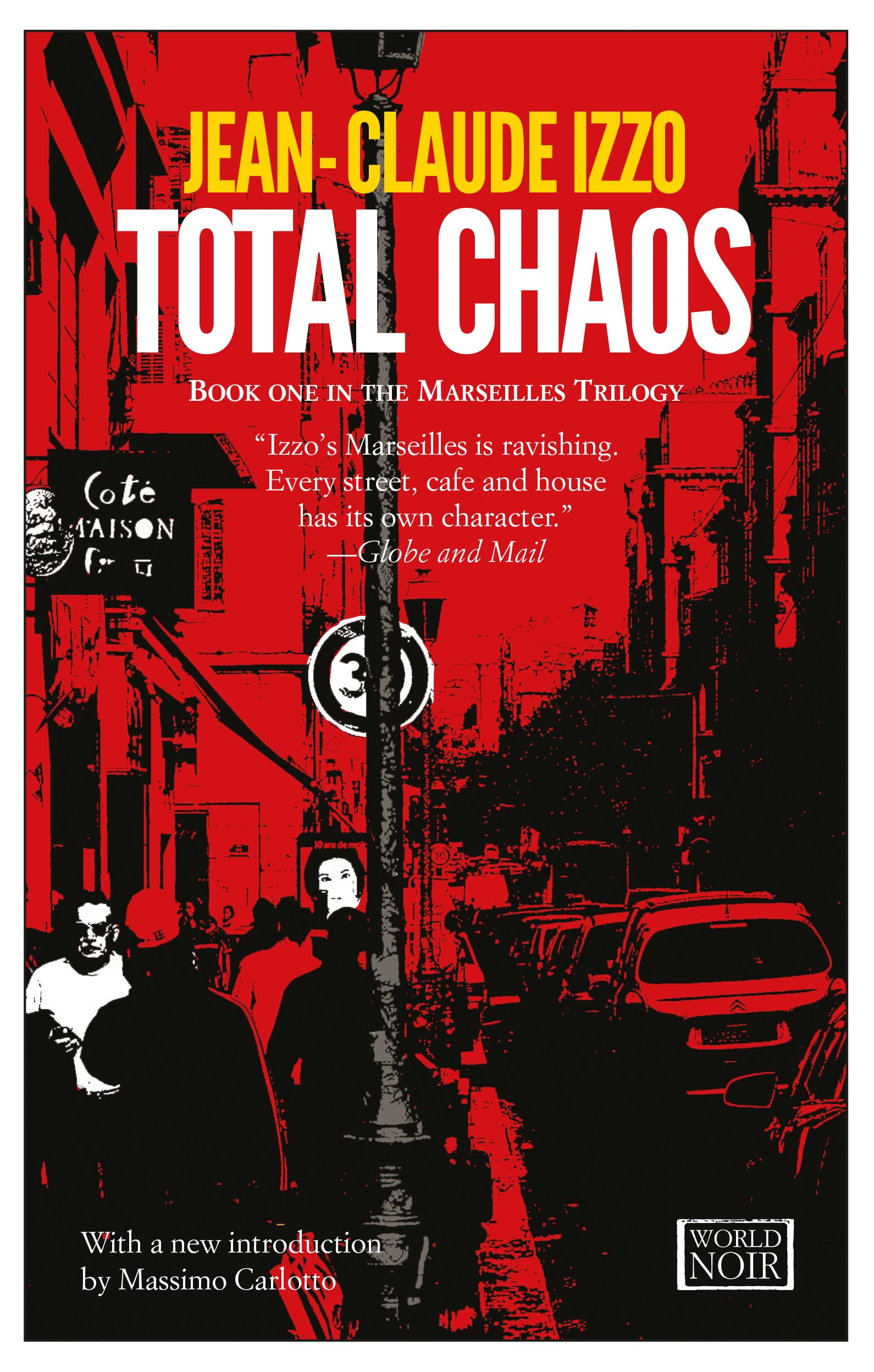
For crime fiction, the ambassador picked one novel set in Marseille and one in Paris. Jean-Claude Izzo's "Total Chaos,"the first instalment of his Marseille Trilogy, follows Detective Fabio Montale as he investigates the murder of two childhood friends drawn into the city's criminal underworld. Izzo's Marseille is often described as both dazzling and dangerous, a city rendered with real affection by an author who grew up there.
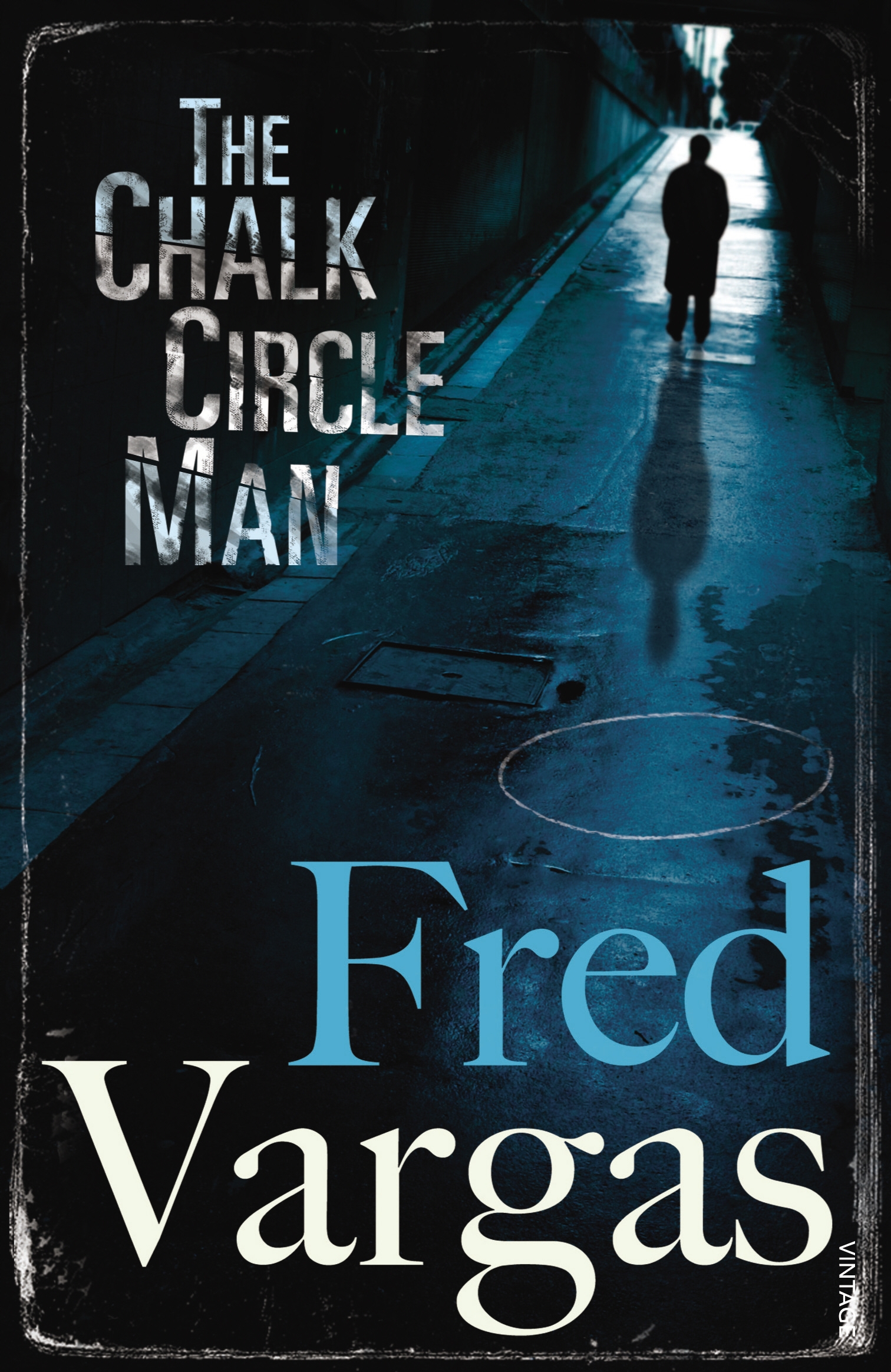
Set in the French capital, Fred Vargas's "The Chalk Circle Man," the first novel to feature Commissaire Adamsberg, opens with a strange pattern: chalk circles appearing overnight on Paris pavements, enclosing odd found objects. Adamsberg is alone in suspecting something darker is at play, a suspicion confirmed when a body turns up inside one of the circles.
Speculative fiction and philosophy
The ambassador's science fiction pick is Alain Damasio's "The Horde of Counterwind," a densely imagined novel following a group of twenty-three individuals raised from childhood for a single purpose: to march against a relentless, ever-blowing wind in search of its source. Damasio blends world-building with a strong political and philosophical undercurrent, and the novel has built a devoted following since its release.
Her fiction pick is Muriel Barbery's "The Elegance of the Hedgehog," which follows a Parisian concierge who conceals her own intelligence from the wealthy family she works for, until she is drawn out by an unusually perceptive young girl living in the same building. Told in alternating narrations, the novel touches on philosophy, class and the small, private lives people build for themselves.

A history of a colour
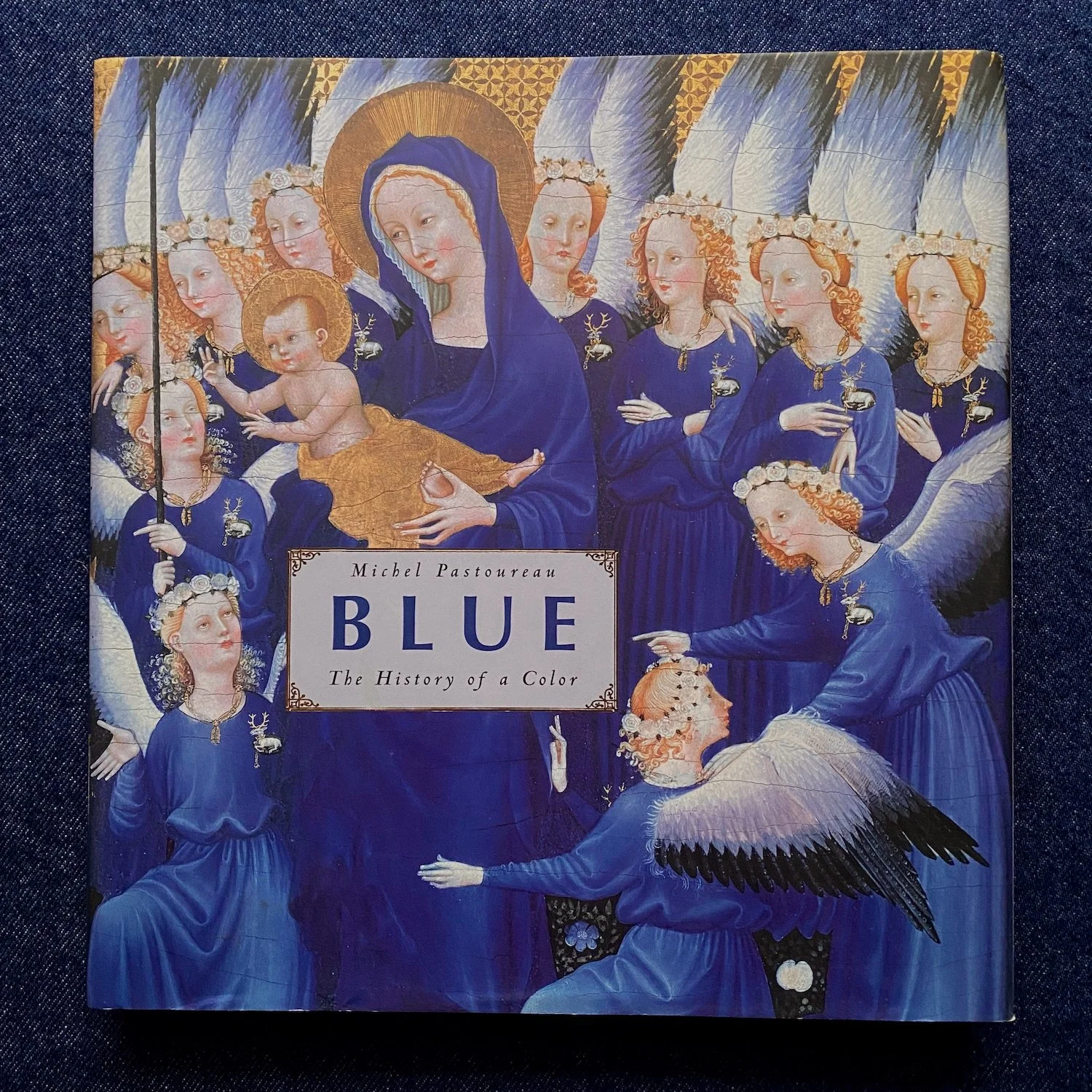
Rounding off the list is a work of nonfiction: Michel Pastoureau's "Blue: The History of a Colour." The medieval historian traces how blue moved from being dismissed by the ancient Greeks to becoming one of the most widely favoured colours in the world today, tracking its shifting symbolism through religious art, royal heraldry, revolutionary politics and, eventually, denim and the view of Earth from space.