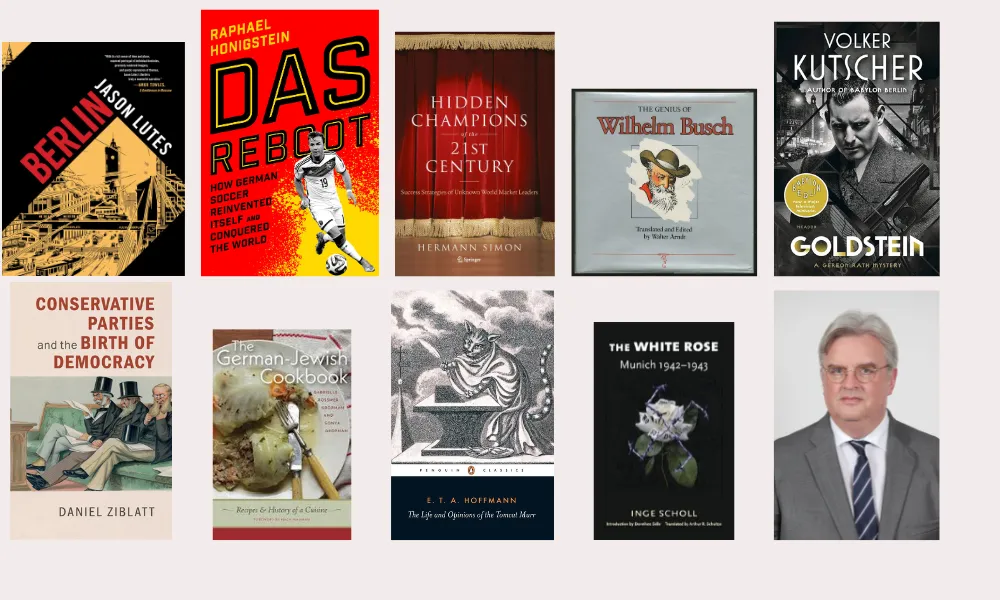

Germany has the irritating habit of being many things at once: seminar room and shop floor, soccer lab and cat nursery, constitutional experiment and cocktail bar where someone named Gereon Rath is having an unusually consequential evening. The eleven books below are not a syllabus. They are eleven trapdoors: each opens under the reader's feet, and suddenly there is a republic, a recipe, a rescue, or a joke with a very sharp little knife in it.
Eleven books, ten in English and one in German, moving from Weimar noir and graphic Berlin to hidden industry, cats, soccer, conscience, Jewish life, republicanism, culinary memory, and diplomatic inheritance.
1. The Gereon Rath / Babylon Berlin Shelf, by Volker Kutscher
To start with Kutscher is to enter German history through a side door, ideally the one behind a cabaret, with a policeman trying to look inconspicuous in a hat. The Gereon Rath books are good mysteries before they are anything else, which is why they smuggle Weimar into the bloodstream. As gateways go, it is shamelessly efficient: Berlin dances; the floorboards creak; the century waits.
Kutscher, Volker. Babylon Berlin: Book 1 of the Gereon Rath Mystery Series. Translated by Niall Sellar. Picador, 2018.
2. Berlin, by Jason Lutes
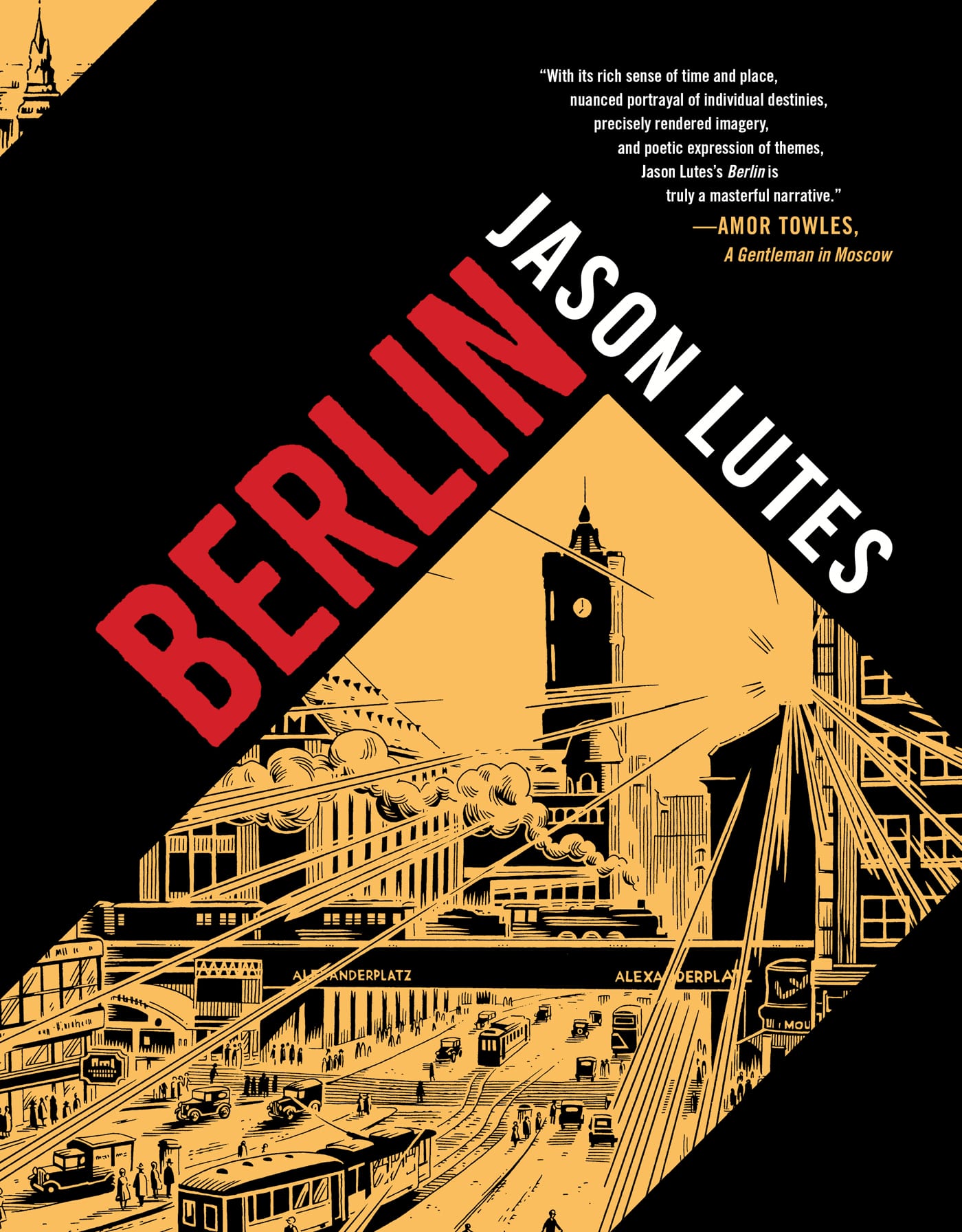
Berlin is not a background in Lutes's hands. It is a bloodstream: tram lines, newsboys, rented rooms, exhausted faces, politics, appetite, fear. It belongs here because Germany's modern fate is sometimes best understood not in chapters, but in frames, small rectangles in which the air is already changing.
Lutes, Jason. Berlin. Drawn & Quarterly, 2020.
3. Hidden Champions in the Chinese Century, by Hermann Simon
German industry is often described as if it were a museum of excellent hinges. Simon reminds us it is also a future machine. His hidden champions, specialised, export-minded, technically obsessive firms, are the Germany that wins without waving.
Simon, Hermann. Hidden Champions in the Chinese Century: Ascent and Transformation. Springer, 2022.
4. The Life and Opinions of the Tomcat Murr, by E.T.A. Hoffmann
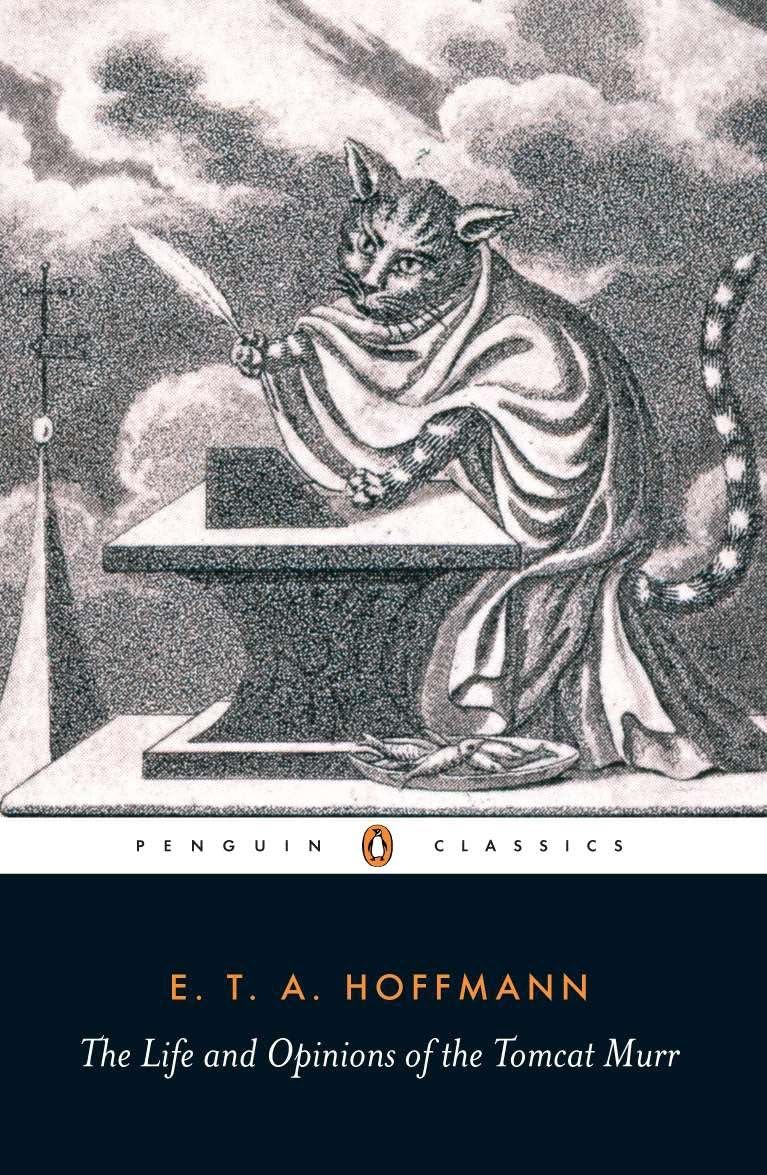
Every nation deserves one feline literary monument, and Germany got a magnificent scoundrel. Hoffmann's tomcat is vain, brilliant, interruptive, and entirely convinced of his own importance. It belongs because Germany's love of animals, especially cats, is never merely cute. In Murr it becomes metaphysics with claws.
Hoffmann, E.T.A. The Life and Opinions of the Tomcat Murr. Translated by Anthea Bell. Penguin Classics, 2006.
5. Das Reboot, by Raphael Honigstein
Germany did not win by becoming less German; it won by becoming more intelligently German: clinics, academies, coaching reform, data, youth development. The result is a book about soccer that also explains export culture and institutional learning.
Honigstein, Raphael. Das Reboot: How German Soccer Reinvented Itself and Conquered the World. Bold Type Books, 2015.
6. The White Rose, by Inge Scholl
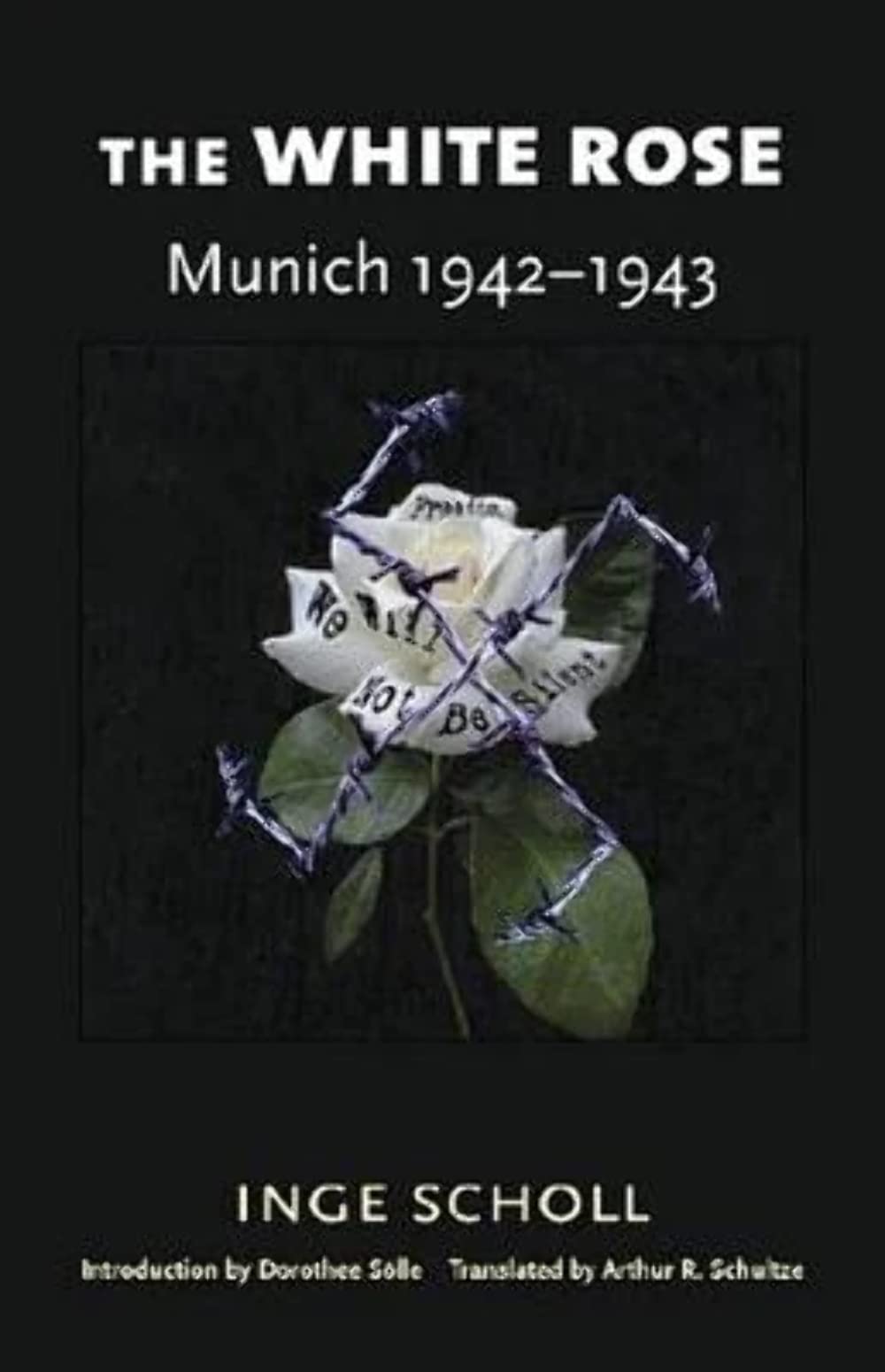
Inge Scholl's book gives the White Rose back its youth, urgency and terror: students and friends who knew enough to be afraid and acted anyway. Germany is not only the country of the catastrophe; it is also the country of those who insisted that conscience could still write, print, distribute, and stand upright.
Scholl, Inge. The White Rose: Munich, 1942-1943. Translated by Arthur R. Schultz. Wesleyan University Press, 1983.
7. The Genius of Wilhelm Busch, edited by Walter Arndt
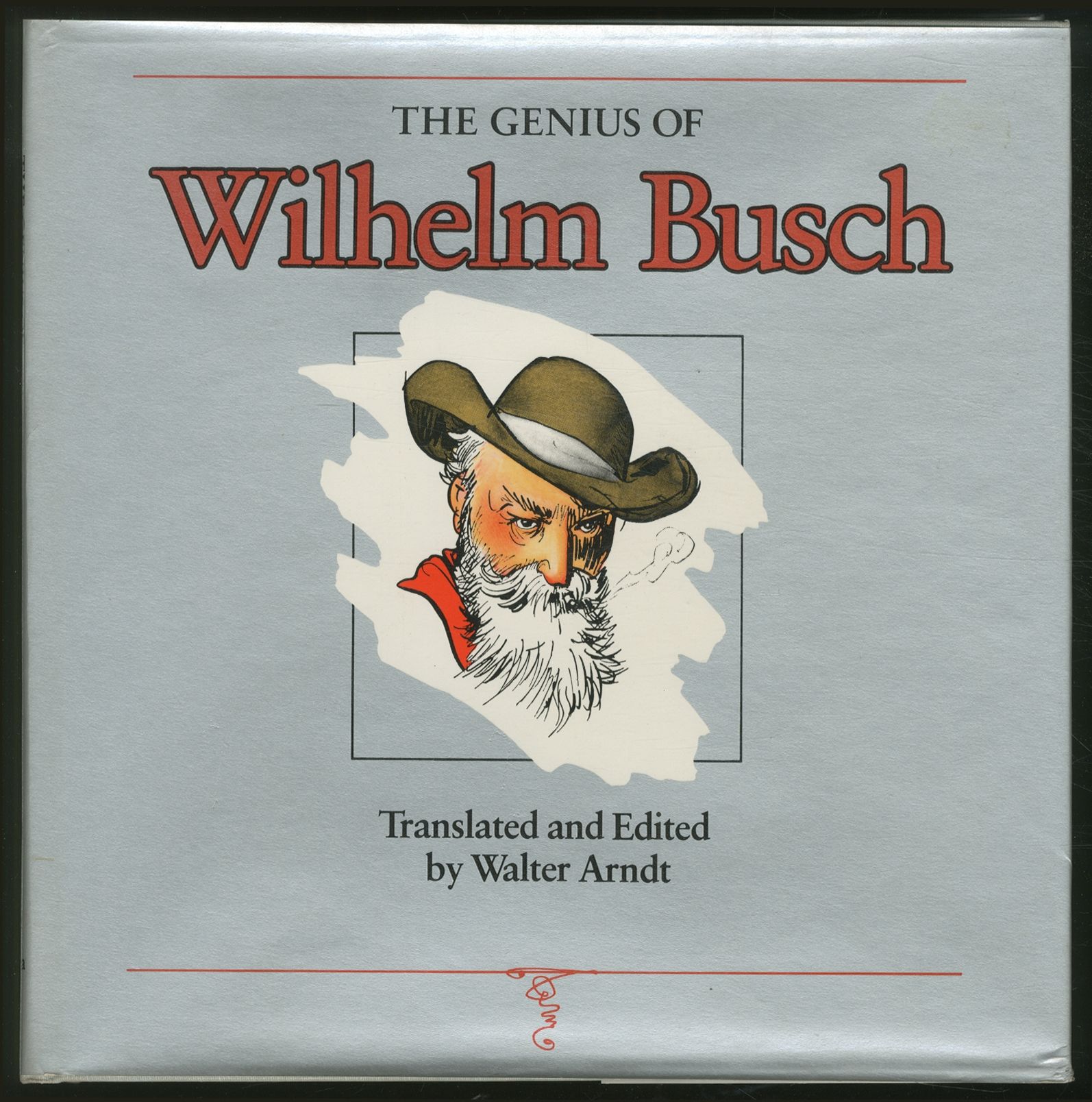
German seriousness needs a small demon with a penknife, and Busch supplies him. This anthology is the closest one-volume English gateway to the mischief that made him indispensable, putting German gravity on its back with a cheerful thwack.
Busch, Wilhelm. The Genius of Wilhelm Busch: Comedy of Frustration. Edited and translated by Walter Arndt. University of California Press, 1982.
8. A History of Jews in Germany since 1945, edited by Michael Brenner
To speak of Jewish life in Germany only in the past tense is intellectually lazy and morally false. Brenner's volume is a large, patient corrective covering politics, community building, memory and culture. Germany's Jewish present is not an appendix to catastrophe but part of the country's civic texture.
Brenner, Michael, ed. A History of Jews in Germany since 1945: Politics, Culture, and Society. Translated by Kenneth Kronenberg. Indiana University Press, 2018.
9. Conservative Parties and the Birth of Democracy, by Daniel Ziblatt
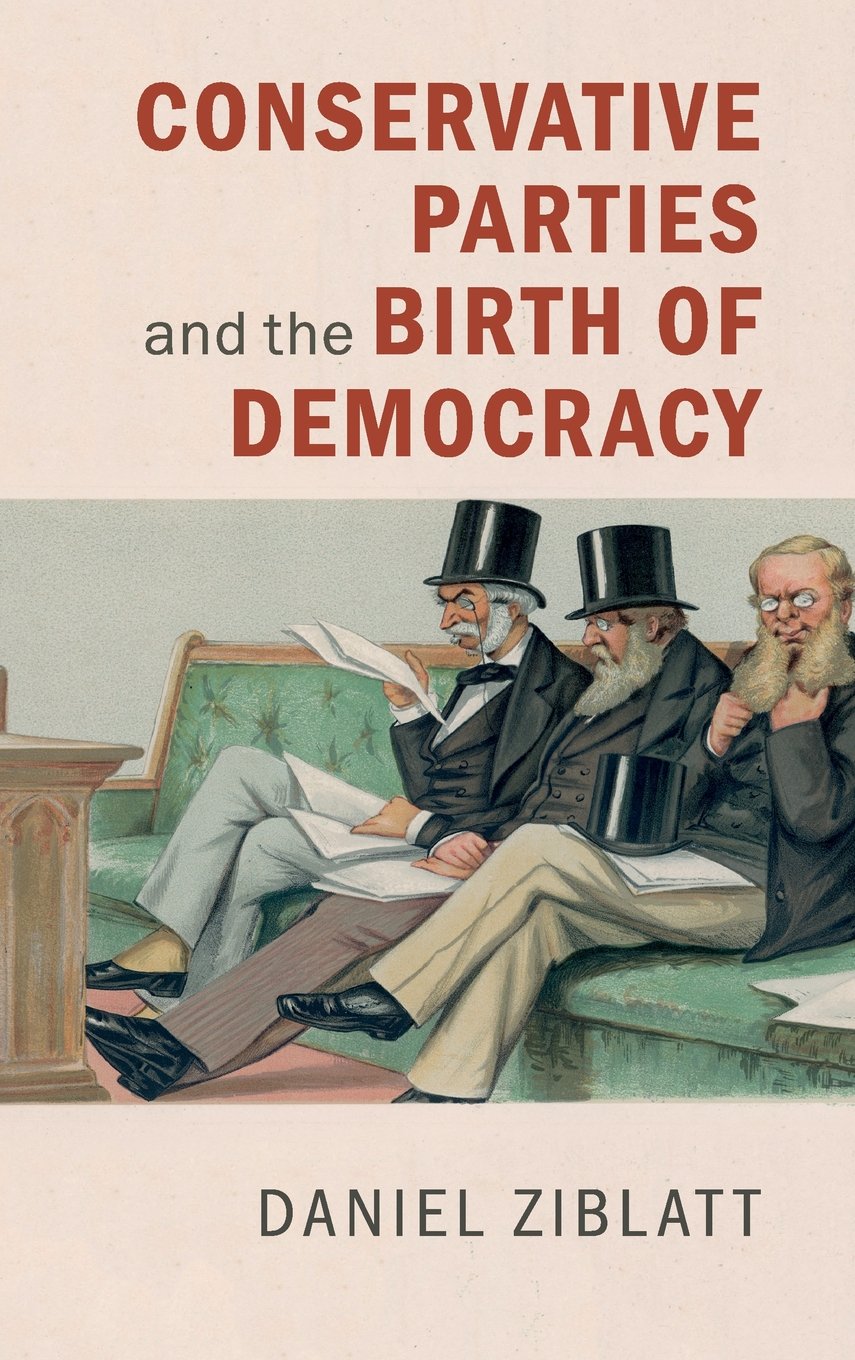
Placed late in the list, Ziblatt functions like the bill at the end of a splendid dinner: suddenly one remembers that institutions must be paid for. Germany appears as part of a European argument about elites, parties, and republican durability.
Ziblatt, Daniel. Conservative Parties and the Birth of Democracy. Cambridge University Press, 2017.
10. The German-Jewish Cookbook, by Gabrielle Rossmer Gropman and Sonya Gropman
The German-Jewish Cookbook is funny not because the subject is light, but because the kitchen has better manners than ideology: it lets memory sit down before it asks for proof. It belongs on the list because German-Jewish life was never only archive and argument. Sometimes it was soup, cake, and the audacious belief that tomorrow would need leftovers.
Gropman, Gabrielle Rossmer, and Sonya Gropman. The German-Jewish Cookbook: Recipes and History of a Cuisine. Brandeis University Press, 2017.
11. Die Geschichte in mir, by Rüdiger von Fritsch

Von Fritsch's memoir closes the list because family history is where geopolitics removes its jacket and starts speaking too plainly. The former ambassador offers an account of how the state, the family, and the conscience keep addressing one another long after the meeting is adjourned.
Fritsch, Rüdiger von. Die Geschichte in mir: Eine deutsche Familie im 20. Jahrhundert. Siedler Verlag, 2026.
A list, like Germany, is never really finished. It is merely adjourned.