One of Cyprus’ most significant archaeological sites will remain inaccessible to the general public because of military restrictions, difficult terrain and the limited visibility of its architectural remains, according to the government.
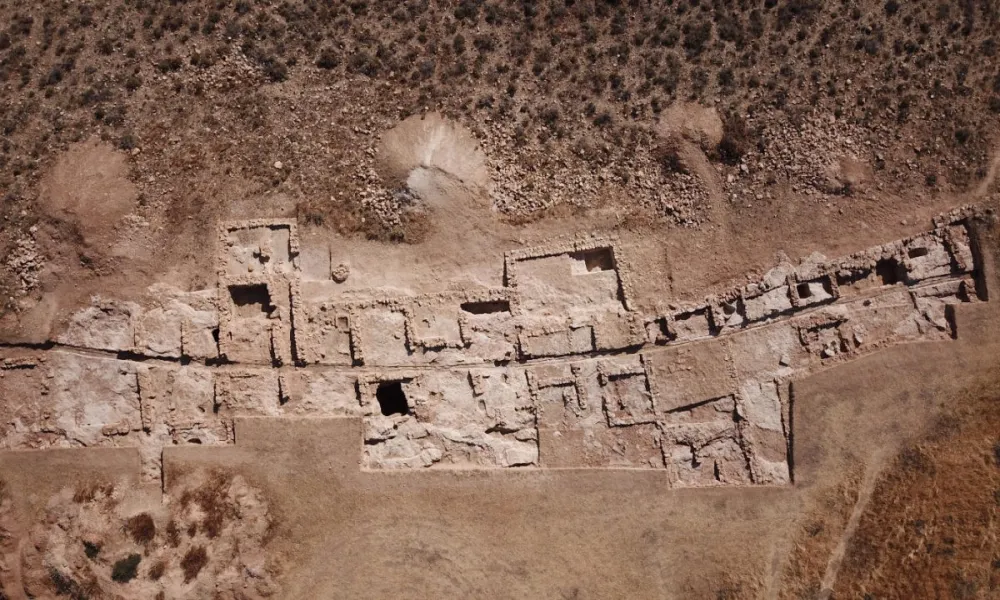
Pyla-Kokkinokremos, a Late Bronze Age settlement associated with evidence that may point to an early organised archive, is considered highly important for archaeological research. However, the government says the site is unsuitable for public visits and does not plan to develop it as a visitor attraction.
The issue was raised in a parliamentary question submitted on 19 June 2026 by Larnaca AKEL MP Andreas Pasiourtides, who asked the government to outline the measures taken to promote the site, the timetable for completing any development work and the projects planned to make it accessible to visitors.
In a response dated 14 October 2026, Education, Sport and Youth Minister Athena Michaelidou cited the site's location within the British Sovereign Base Areas, its proximity to a military firing range and the difficulty of interpreting the archaeological remains as reasons against opening it to the public.
Excavations at the site date back to 1952
In her response, Michaelidou outlined the history of archaeological research at Pyla-Kokkinokremos, highlighting its importance to the study of Cyprus during the Late Bronze Age.
The settlement was first identified and excavated in 1952 by Porphyrios Dikaios, the first director of the Department of Antiquities following the establishment of the Republic of Cyprus.
Further excavations were conducted by Vassos Karageorghis, who headed the department from 1963 to 1989. A brief research programme followed between 2010 and 2013, led by Karageorghis and Professor Athanasia Kanta of the Mediterranean Archaeological Society.
Systematic excavations have been carried out since 2014 under the direction of Professor Joachim Bretschneider of Ghent University in Belgium.
Despite these efforts, large parts of the extensive plateau on which the settlement stands remain unexplored, the minister said.
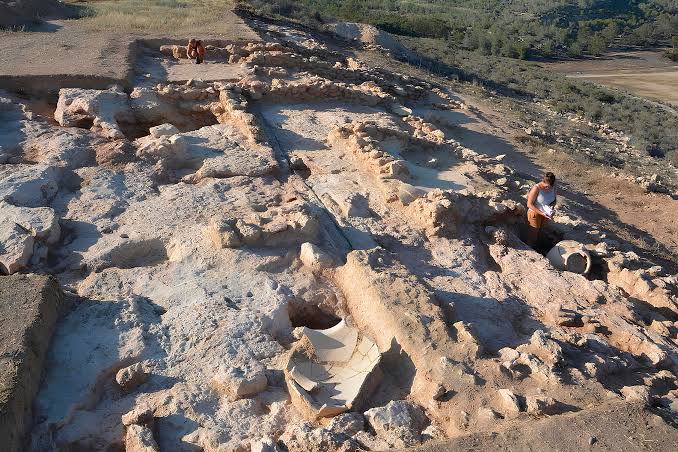
Findings shed light on a pivotal period in Cyprus’ history
According to Michaelidou, excavations have established that Pyla-Kokkinokremos was a significant settlement that existed for a relatively short period during the 12th century BC.
This was a period of major upheaval in the eastern Mediterranean, marked by the end of the Late Bronze Age and the collapse of Mycenaean palace centres and other major states and empires.
Research at the site has revealed evidence of innovations in Cyprus’ material culture, while further excavations are expected to improve understanding of the island’s role during the transition to the Iron Age.
Despite its archaeological significance, however, the minister argued that the site presents considerable practical challenges for public access.
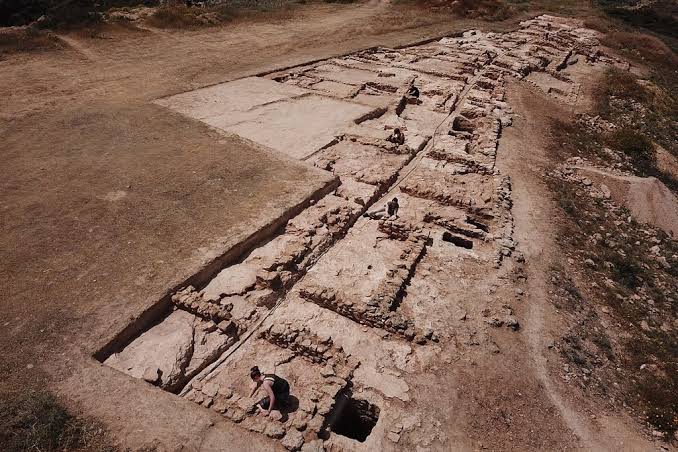
Steep terrain and military restrictions pose obstacles
Michaelidou identified two principal barriers to opening Pyla-Kokkinokremos to visitors: its location on a steep hill and its position within military installations in the British Sovereign Base Areas, next to a firing range.
Even archaeological teams must schedule their working hours around the firing range's operating timetable, she noted.
These restrictions would complicate efforts to establish a visitor site, while the terrain presents further difficulties for access.
The minister also argued that the architectural remains are relatively limited and fragmented, making them difficult for the general public to understand without extensive interpretation.
Possible ancient archive is not easily understood on site
One of the most intriguing interpretations associated with Pyla-Kokkinokremos concerns the possible existence of an organised archive.
According to Michaelidou, the interpretation is based on the discovery of two tablets bearing Cypro-Minoan script, with symbols of the script appearing on their reverse sides.
This evidence suggests that the tablets may have been stored on a shelf, possibly in a room intended to accommodate a larger collection of inscribed documents.
However, the minister stressed that the significance of the space would not necessarily be apparent to visitors examining the remains in person.
The two tablets, together with other important archaeological finds from the settlement, are on display at the Larnaca District Archaeological Museum.
Concluding her response, Michaelidou said that the site's military use, difficult location and fragmented architectural remains meant that Pyla-Kokkinokremos should remain a site of scientific importance rather than become a destination for the general public.