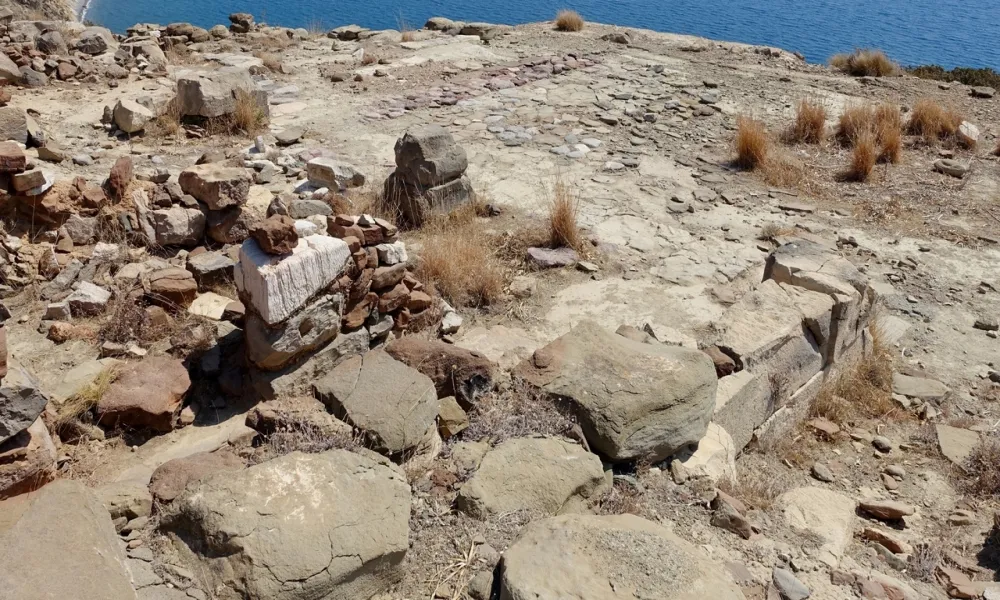

Excavations in Upper Pyrgos uncover prehistoric settlements and a medieval feudal complex, shedding light on centuries of continuous habitation in one of Cyprus’s most remote regions:
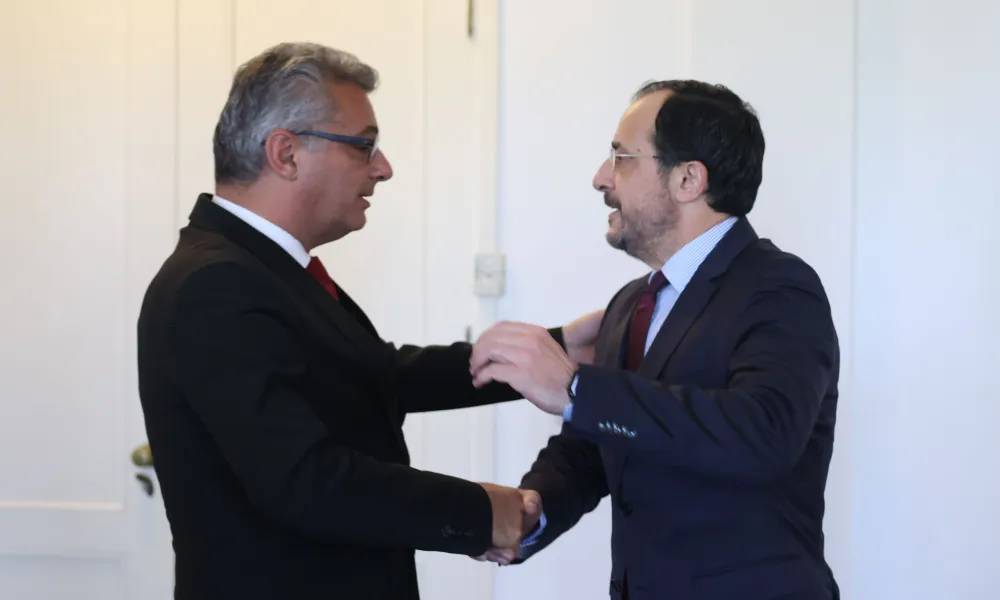
Although considered one of the most isolated regions of Cyprus, where mountains descend abruptly into the sea, Pyrgos, Tillyria, has been inhabited since prehistoric times. Archaeological evidence points to settlements dating as far back as 8000 BCE, according to Stylianos Perdikis, Director of the Kykkos Monastery Museum, in an interview with CYΠΕ. Recent excavations have also revealed a medieval complex in the area.
“Settlements from the aceramic period have been identified at various sites, taking us back to 8000 BCE,” Perdikis explained. “From that time onward, there has been continuous habitation across Tillyria. We have Bronze Age installations with large cemeteries, and occupation continues uninterrupted through the ancient world and into the post-Christian era.”
He emphasized the importance of the ancient bathhouse in Mansoura, known for its mosaic floors, including the “Phyria of the Good,” and the inscription of Philothalassos, which dates to the 4th century CE.
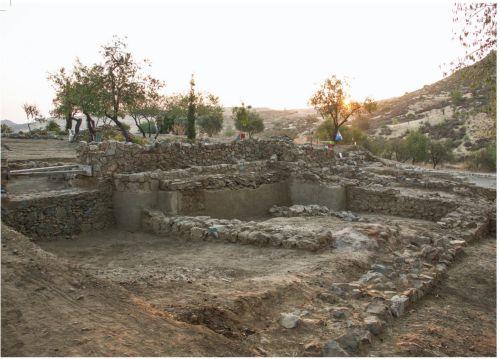
Meanwhile, systematic excavations in Pyrgos Tillyria have brought to light a medieval complex, possibly a local feudal manor, according to Perdikis, who has overseen the excavation since 2008.
The dig is taking place at the site known as “Avli” in Upper Pyrgos Tillyria, conducted under a permit from the late Director of the Department of Antiquities, Pavlos Flourentzos.
“We specifically chose this remote area because we wanted to move away from the major known ancient centers of Cyprus and see what archaeological life looks like in a distant, rural, pastoral, and economically modest part of the island,” Perdikis said. The excavation is a collaboration between the Kykkos Museum and the Department of Antiquities.
The project was also intended to provide employment for the local population, still largely isolated at the time, before roadblocks on the Limnitis River were removed. Many residents had limited work opportunities. The site had been identified previously through a series of archaeological surveys.
“Since then, my team and I have been active almost every year,” Perdikis added, noting the contribution of Georgios Koumis, the excavation’s technical supervisor since 2008.
“In general, we have uncovered the ruins of an impressive medieval building complex,” he said.
The site’s habitation dates to the late 12th century and continued uninterrupted until the mid-17th century, during the Ottoman period. The complex is a large rectangular structure organized around a spacious central courtyard.
“In its initial phase, the building was constructed entirely from squared sandstone blocks transported from quarries three kilometers away on the coast of Agios Theodoros—a very difficult and costly effort,” Perdikis explained. The buildings were two stories high, and some included underground storage areas. Roofs featured wooden gables covered with flat hooked tiles.
The rooms themselves were remarkably spacious, around 30–40 square meters each, with two stories, underground spaces, and internal staircases. Floors were made of lime plaster embedded with small sea pebbles, and walls were coated with red or ash-colored plaster, emphasizing the grandeur of the space.
Despite extensive looting over the centuries and repurposing of building materials for cultivation, the team has recovered notable artifacts. Among them are parts of a gilded wooden box decorated with dragons, a silver spoon with a Venetian maker’s mark, two small silver forks, and rings, mainly bronze with semi-precious stones.
When asked about the excavation’s status, Perdikis noted that the project is nearing completion. Only one or two parcels of land remain to be expropriated before the dig is fully concluded. Conservation and restoration work is also underway to make the site accessible to the public.
Additionally, a small botanical garden is being created around the site, featuring traditional Cypriot plants historically used for medicinal, aromatic, and utility purposes. Visitors will thus have the opportunity to explore not only the ancient ruins but also a living aspect of Cyprus’s natural heritage.
Reflecting on his personal connection to the site, Perdikis said, “Archaeology is a special science, requiring passion and a deep interest in uncovering the past. Receiving permission to work here was profoundly meaningful for me—it was the fulfillment of a long-held dream.”
He added that the project’s significance is heightened by the fact that it has been realized in his own birthplace.