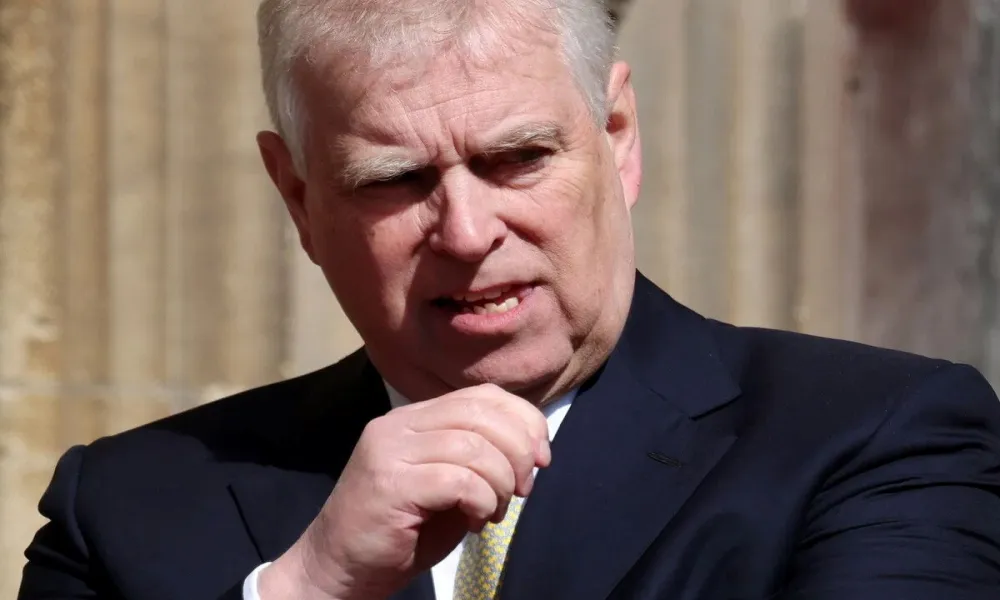

The community leader of Arsos, Trozena and Gerovasa has categorically denied viral social media claims that an Israeli investor has barred the public from entering the abandoned village of Trozena, calling the allegations unfounded and challenging those who made them to produce evidence.
Giannakis Giannaki, speaking on Politis Radio, said there are no security guards at the village and no one obstructing members of the public who wish to visit. He suggested that if anyone was asked to leave, it was likely because they had wandered into an active construction site, and that the request would have been made for their own safety. "If anyone has evidence that they were prevented from entering the community or that the church is to be demolished, I invite them to come to the community council and report it, so I can take the matter to the police," Giannaki said.
The community council had already issued a firm denial of the online claims, dismissing them as "unfounded" and "not reflecting reality," and clarifying that the village remains freely accessible to all visitors with no restrictions on entry.
How the controversy began
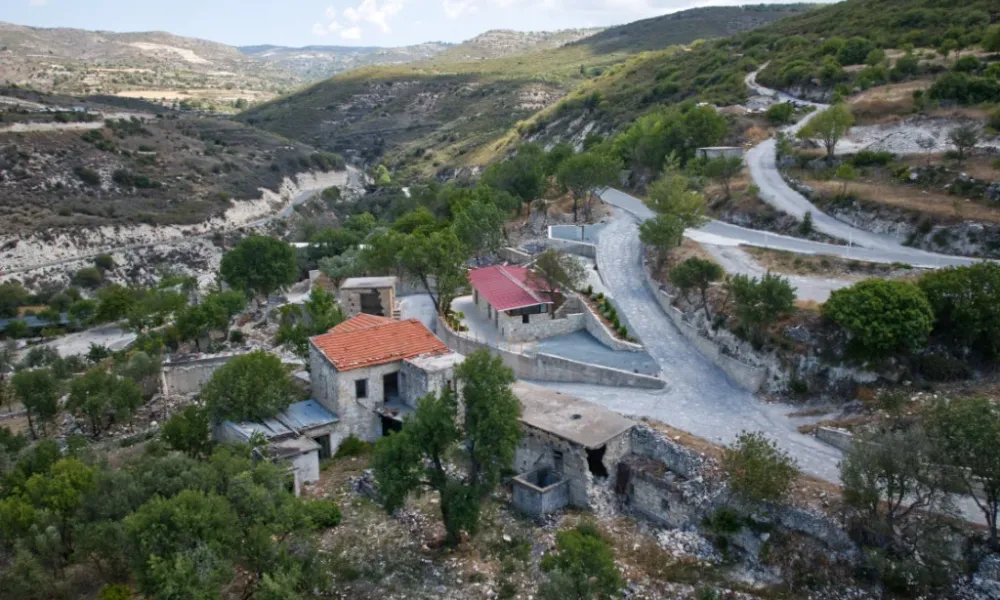
The rumours, widely shared in recent weeks, centre on the abandoned settlement of Trozena in the Diarizos Valley, where visible construction works and the coordinated restoration of buildings fuelled questions about who is behind the project. Posts on social media claimed that people had been prevented from entering the village and told it was "private Israeli land."
An Israeli businessman has purchased approximately 70% of the buildings in the village and a significant amount of agricultural land from private owners and is developing the site. Public records show that a Cyprus-registered company, THV Home Resort (Trozena) Ltd, was established in April 2023 and lists Trozena as its registered address, though publicly available registry information does not disclose its shareholders.
A second claim circulating online alleged that the Church of St George in the village was to be demolished. Giannaki dismissed this as defamatory and false. He said the church held a service just 15 days ago, that it has been maintained at the company's expense, and that the investor also installed modern toilet facilities at the site. The church, he said, is open to anyone who wishes to visit.
"Economic benefit to the area"
The Trozena story has emerged against the backdrop of a broader and increasingly heated debate in Cyprus about Israeli property purchases. Akel's secretary-general Stefanos Stefanou sparked a diplomatic incident last year after saying on state radio that Israeli investors were "buying up" swaths of land and turning coastal districts into gated communities, prompting Israel's ambassador in Nicosia to condemn the remarks as antisemitic. Israeli nationals have acquired nearly 4,000 properties across Cyprus since 2021, a trend that has generated significant public anxiety over property prices and access.
Giannaki made clear that the community takes no position on the nationality of the investor. What matters, he said, is that the development brings "economic benefit to the area". The project currently employs 10 families in construction work, with more positions expected to follow. Plans include a winery, an animal farm and camping facilities, all of which the investor has said will be environmentally friendly. There are no plans to build new structures such as apartment blocks; instead, existing houses will be restored and rented, according to the investor, at affordable rates to retirees.
The village has been uninhabited since 1980, when its last resident left after decades of neglect by the state. When the electricity grid was extended to surrounding villages around 1965, Trozena was excluded, leaving residents without power, running water or a paved road. "When the state connected the surrounding area to the electricity grid, it did not connect Trozena, for its own reasons. The residents were forced to abandon it and it fell into ruin," Giannaki said.
The village sits within a Natura 2000 protected zone, which prohibits hunting but does not bar development. Giannaki confirmed that all works are being carried out with the required permits and in compliance with the relevant environmental legislation.