
In Cyprus, New Year’s Day is not treated as a simple calendar reset. It is welcomed with intention, symbolism and rituals that place family, faith and optimism at the centre of the moment. From the first step taken into the house to the breaking of a pomegranate at the door, long-standing customs continue to guide how the year begins, offering a sense of continuity and meaning that easily finds its place in modern life.
A New Year Rooted In Memory And Meaning
New Year’s Day in Cyprus is not simply a change of date. It is a passage shaped by memory, family gatherings and rituals that have quietly travelled from one generation to the next. Across the island, and particularly in villages of Paphos district, these customs remain alive, reminding us that welcoming the year ahead is as much about intention as celebration.
Bringing these traditions into contemporary life does not require a village oven or a large extended family. It requires awareness. A conscious choice to begin the year with warmth, symbolism and togetherness.
Family Tables And Shared Preparations
For older generations, New Year’s Eve was inseparable from the family table. As Mary Savvidou from Tala recalls, the celebration was always centred around the home. Chickens were prepared, roasts were cooked and the vasilopita was baked by hand. Families also made sausages and baked bread, tasks that demanded effort but strengthened bonds.
Food was not simply nourishment. It was a collective act, a way of entering the new year united, grounded and grateful.
The Olive Branch And The Fireplace Ritual
In several villages of Paphos, a lesser-known yet deeply symbolic custom survives. An olive branch is placed in the fireplace. If it crackles and jumps as it burns, tradition says it reveals true affection from a loved one.
Accompanied by a simple chant invoking Saint Basil, the ritual blends belief, nature and emotion. It is less about prediction and more about hope spoken aloud at the very beginning of the year.
Cutting The Vasilopita: Faith, Gratitude And Luck
The vasilopita is prepared on New Year’s Eve and cut on the first day of the year, a practice that continues to this day. Traditionally, the head of the household would cross the cake and distribute the first pieces to Christ, the Virgin Mary and the poor.
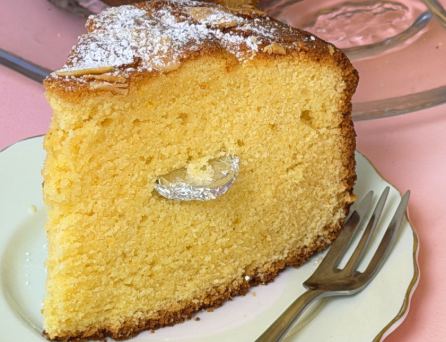
This order reflects how the year was meant to begin: with faith, gratitude and solidarity. The hidden coin, or flouri, is kept as a small talisman, a reminder that luck is tied to sharing and intention.
Stepping In Right: The Podariko
One of the most enduring Cypriot customs is the podariko. The first person to enter the house on New Year’s Day is believed to set the tone for the year ahead. Ideally, it is someone kind-hearted or a child, stepping over the threshold with the right foot first.
Simple yet powerful, the ritual reflects a belief that beginnings matter and that energy, however intangible, is something we consciously invite into our lives.
Breaking The Pomegranate At The Door
The breaking of the pomegranate at the entrance of the home symbolises abundance, health and prosperity. Its many seeds represent fullness and continuity, a wish for the home to be filled with wellbeing throughout the year.
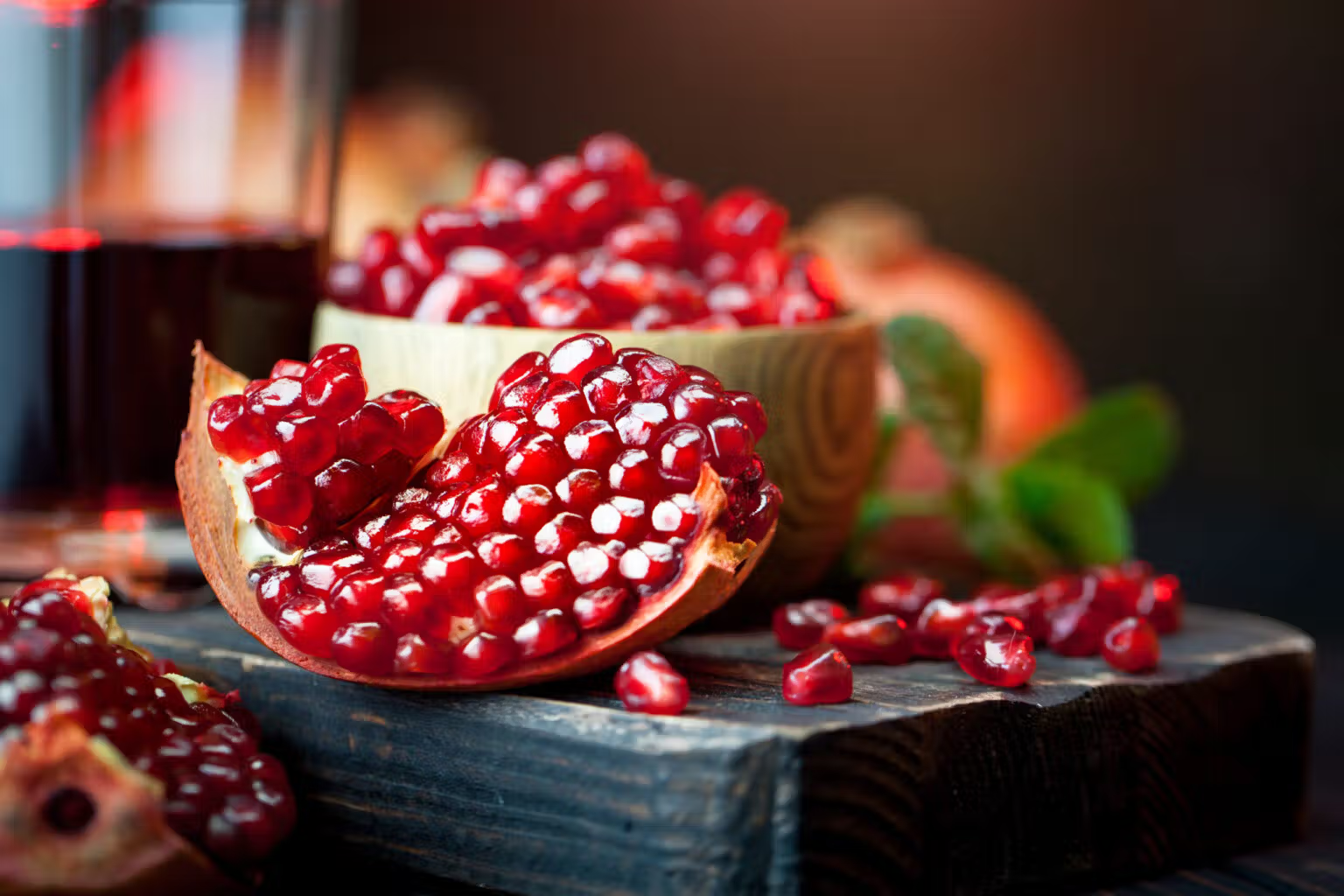
Even in modern apartments, the gesture endures, adapting quietly while preserving its meaning.
New Year Carols And The Sound Of Renewal
New Year carols bring a joyful rhythm to neighbourhoods. Children move from house to house singing and receiving sweets or small coins, carrying messages of renewal and optimism. Their voices mark the first sounds of the year, light and hopeful.
Living Tradition In A Modern World
According to tradition researcher Anna Tselepou, the customs of New Year and Epiphany in Cyprus form a living link between Christian faith and popular tradition. They are not rigid practices but emotional acts filled with memory and values.
Through them, families express respect for nature, hope for the future and a deep need for cohesion. These values are passed on quietly, shaping cultural identity without ceremony.
Beginning The Year With Intention
Cypriot New Year customs are not remnants of the past. They are tools for the present. They help us pause, reconnect and step into the year with care and optimism.
Whether it is a right foot crossing the threshold, a coin hidden in a cake or a pomegranate breaking open at the door, each gesture carries the same message: beginnings are sacred. And perhaps that is the most enduring tradition of all.