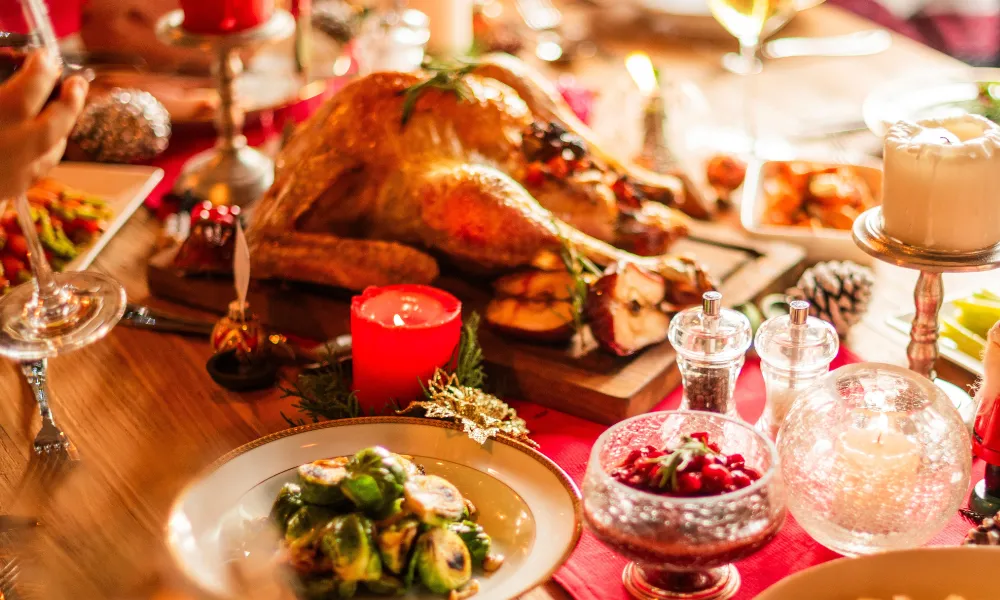
Across Cyprus, the New Year table carries memories of rural kitchens, the improvisation of modern households and the quiet values that define how Cypriots gather. Cypriots embrace abundance, generosity and the instinct to cook for others. Speaking with cook and culinary writer Chryso Lefou, and drawing on her published work and recipes, a picture emerges of a festive season shaped by creativity, custom and regional nuance.

A table built around choice ignoring the rules
Lefou emphasises that there is no single Cypriot New Year menu. Each home draws from a familiar palette but arranges it differently. The centrepiece, when families choose to have one, is often stuffed turkey, though many Cypriots approach the filling with far more imagination than the classic bread and herbs. Raisins, minced meat, chestnuts, rice, spices, even dried fruit appear in combinations that reflect personal taste and family heritage. Some households skip the bird entirely and serve only the stuffing as its own celebratory dish.

Souvla remains a constant in many communities. Its presence on the New Year table reflects the social rhythm of the season, when cooking moves outdoors, neighbours come over unannounced and the scent of charcoal becomes part of the holiday landscape.
Pork, gammon and old techniques
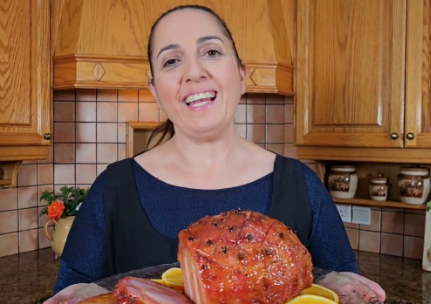
Gammon has become a staple of the festive period, evolving through the years into a uniquely Cypriot interpretation. Some families braise it in soft drinks, a practice that arrived through British influence. Others pair it with pineapple rings, echoing mid-century hospitality trends. Lefou prefers a more grounded approach: simmering the meat slowly in Commandaria, giving it the deep sweetness and aromatic warmth that align with local taste.
In rural households, especially those with hunters, rabbit stew may take pride of place. Lamb liver also appears on some tables, drawing from older traditions of using every part of the animal during winter cooking.
The supporting dishes that define the meal
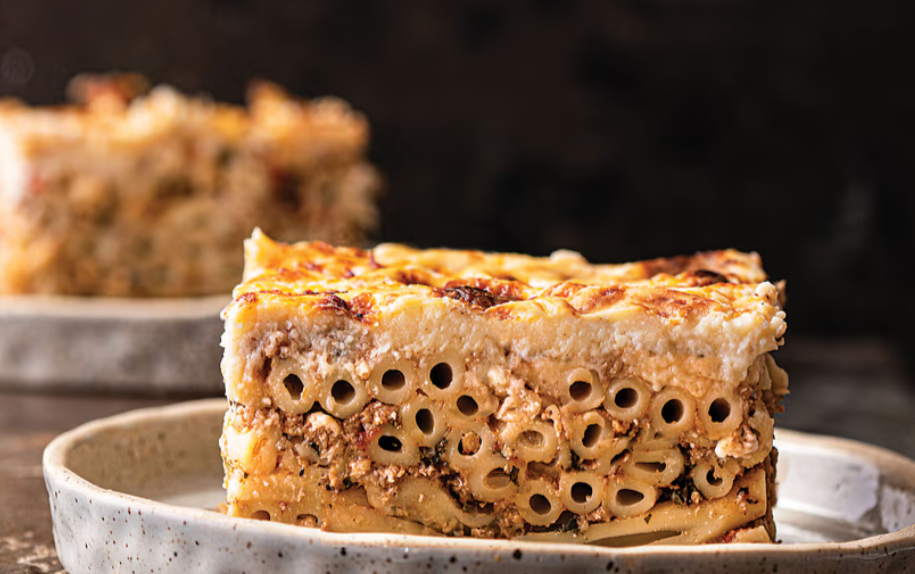
Cypriot festive cooking is anchored by abundance. Alongside the meat dishes, families prepare trays of oven-baked pasta, stuffed vegetables, roasted potatoes and salads that are familiar but dressed up for the season. Ingredients shift with availability; pomegranate seeds scattered over greens, citrus added to marinades, herbs picked from winter gardens.
Beef stew, slow-cooked and aromatic, rounds out the table in many homes, particularly in regions where cattle farming has deeper roots.
Vasilopita: the heart of the New Year
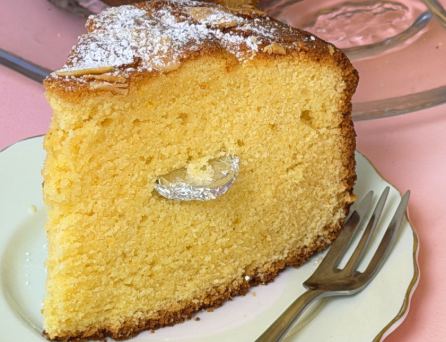
For Lefou, the highlight of the season is Vasilopita, both to bake and to serve. More than a cake, Vasilopita is the ritual that marks the first moments of the year. Traditionally made with butter, orange, mastiha or vanilla, it hides a coin inside. The cake is cut at midnight, with each piece dedicated to someone present or absent. Luck, gratitude and remembrance unfold through this simple gesture. On Lefou’s website and social feeds, her versions often blend clarity of technique with an insistence on flavour that calls back to childhood kitchens.
Sweets that honour both past and present
Cypriot holiday tables rarely end with a single dessert. Beyond Vasilopita, many families include custard-based sweets, creams and puddings. Lefou makes a pomegranate cream dessert during the New Year period, echoing the symbolism of prosperity and renewal associated with the fruit.
Traditional sweets appear throughout the season: ladyfinger confections, loukoumades in some villages and fried pies known as pishies. Pishies are thin pastry rounds folded and fried until crisp, then drizzled with honey or sprinkled with sugar.
A living tradition
The Cypriot New Year table is not ceremonial for its own sake. It reflects a deeper continuity with families who improvise, cooks who keep certain recipes intact, and a culture that understands celebration as something shared. In Lefou’s approach, and in the stories repeated across the island, food becomes a gentle act of connection. It carries the past into the present, and it frames the year ahead with warmth, welcome and the familiar sound of a crowded table.